





Anglo-Nubian
Anglo-Nubian
The Anglo-Nubian is a friendly breed of goat known for its long ears and gentle nature. They are great for milk production and love to roam around in fields.
Habitat: Grasslands
The Anglo-Nubian has very long, pendulous ears that hang close to its head, and a distinctive convex "Roman" nose. Their short, fine coats come in a wide variety of colors and patterns, often black, brown, cream, or mottled, making them visually unique among goats.
Category
MammalsRarity
Common
Danger
1/5 · Very low
Snaps
Be the first to snap!
Anglo-Nubian goats are sometimes called "Jersey cows" of the goat world due to their rich milk!
Their long, floppy ears can measure over 30 centimeters (12 inches) from base to tip!
They can produce milk for more than a year after having babies, longer than other goat breeds!
Unlike many goats, they have a prominent "Roman nose" that gives them a very regal appearance!
Anglo-Nubian has high butterfat milk that helps them produce richer, creamier dairy products like cheese.
Anglo-Nubian can thrive in warm climates because of their Middle Eastern and African ancestry, adapting to heat.
Anglo-Nubian has a distinctive, loud vocalization that helps them communicate clearly across distances on farms.
Anglo-Nubian can eat a wide variety of plants because of their strong digestive system, making them excellent grazers.
These plant-eaters munch on grass, hay, and leafy plants to get their energy.
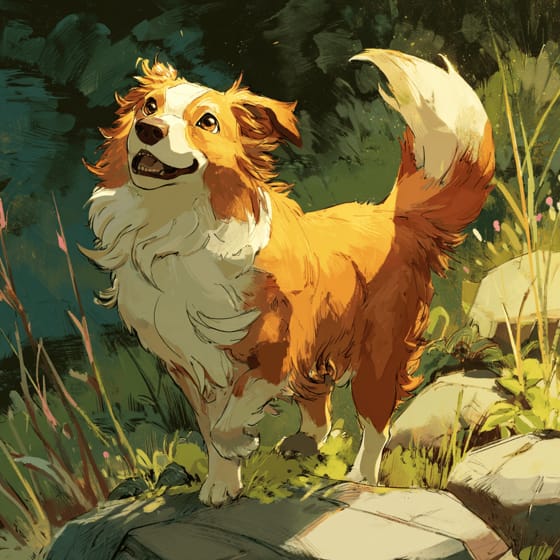
Canis familiaris
Can prey on goats if unsupervised.
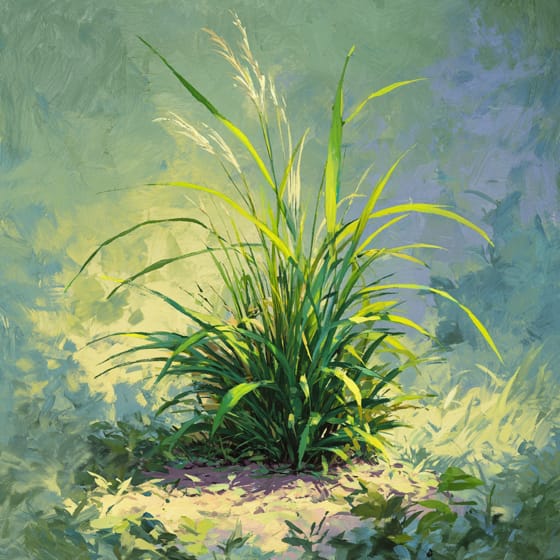
Poa pratensis
A common pasture grass they graze on.

Medicago sativa
Often provided as nutritious feed.
Ruminococcus flavefaciens
Helps them digest plant fiber in their stomachs.
Furry describes animals possessing a dense covering of soft hair or fur.
Social animals live in organized groups, cooperating for survival benefits such as foraging, defense, and raising offspring.
Characterized by having one or more hard, permanent, pointed projections on the head.
Colorful describes organisms or objects displaying a wide range of bright and distinct colors.

Grassland habitats are terrestrial biomes dominated by grasses and herbaceous plants, supporting a variety of grazing animals.

This trait characterizes organisms whose diet consists entirely or primarily of plant material.

Domesticated refers to species that have been selectively bred and tamed by humans for specific purposes.

Diurnal animals are primarily active during daylight hours, typically resting or sleeping at night.
No aliases listed yet.
Danger
1/5 · Very low
Always be gentle and calm around goats, and ask an adult before feeding them.
The easiest way to identify Anglo-Nubian is to use the Snappit nature identifier app.
60-80 cm
60-140 kg
10-15 years
25 km/h
These plant-eaters munch on grass, hay, and leafy plants to get their energy.
Grasslands
Grazing
Zoom in to split clusters and explore where this object has been snapped.
Recent snaps will appear here as new observations are added.
Take the discovery with you
Snap it with Snappit to identify it, learn what makes it special, and add the discovery to your collection.




.jpg&width=800)


.JPG&width=800)

.jpg&width=800)
