.jpg&width=800)





Antigone vipio
Antigone vipio
The Antigone vipio, also known as the Sarus Crane, is a tall and graceful bird with long legs and a long neck. They are known for their beautiful dances and loud calls, making them special in the wetlands where they live.
Habitat: Wetlands
The Antigone vipio has a striking grey body with a bright white nape and upper neck. It features a prominent unfeathered red patch on its face around the eyes, and long, pinkish-red legs, making it visually distinct.
Category
BirdsRarity
Common
Danger
1/5 · Very low
Snaps
Be the first to snap!
Sadly, fewer than 6,000 White-naped Cranes exist in the wild.
The White-naped Crane's loud call can be heard from miles away!
These tall birds can stand over a meter, taller than some kids!
They often mate for life and raise their chicks together.
Antigone vipio can make loud, bugle-like calls because of a long trachea that helps them communicate across distances.
Antigone vipio performs elaborate courtship dances with bows and jumps that helps them attract a mate.
Antigone vipio has powerful wings and strong muscles that help them fly thousands of kilometers during migration.
These cranes are omnivores, eating everything from seeds and roots to insects and small creatures!
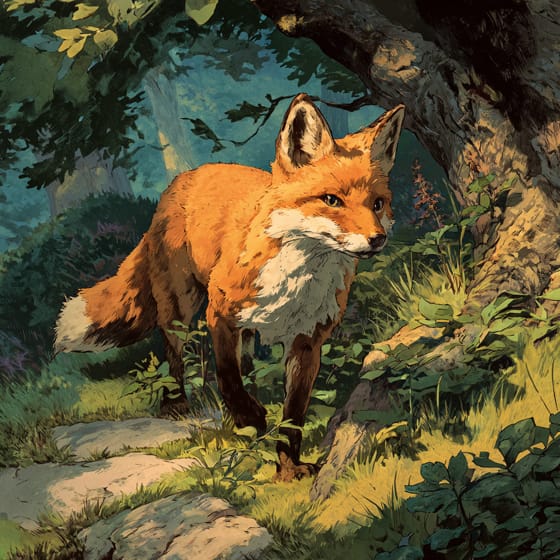
Vulpes vulpes
Red foxes prey on their eggs and young chicks.

Homo sapiens
Humans impact habitat and lead conservation efforts.
Oryza sativa
They forage in rice paddies for fallen grains and shoots.
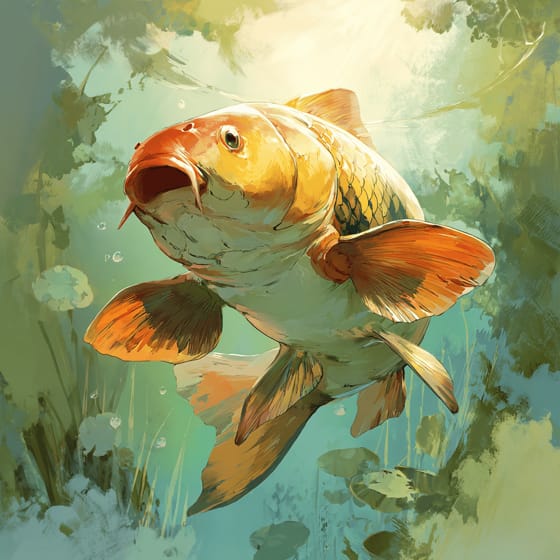
Cyprinus carpio
Sometimes catches small fish in shallow waters.
Feathered describes animals, primarily birds, possessing a covering of feathers.
Social animals live in organized groups, cooperating for survival benefits such as foraging, defense, and raising offspring.
This trait characterizes organisms whose diet consists entirely or primarily of plant material.
This trait characterizes organisms with an exceptionally long lifespan compared to others of their kind.

This habitat trait identifies species found in wetlands, which are areas of land saturated with water, either permanently or seasonally, including marshes, swamps, and bogs.

Diurnal animals are primarily active during daylight hours, typically resting or sleeping at night.

Migratory animals undertake seasonal movements from one region to another, typically in response to changes in climate or food availability.

Endangered status indicates a species is at a very high risk of extinction in the wild in the near future.
No aliases listed yet.
Danger
1/5 · Very low
Always watch birds from a distance and be quiet so you don't scare them away.
The easiest way to identify Antigone vipio is to use the Snappit nature identifier app.
112-125 cm
210-220 cm
5.6-6.6 kg
25-30 years
60 km/h
These cranes are omnivores, eating everything from seeds and roots to insects and small creatures!
Wetlands
Zoom in to split clusters and explore where this object has been snapped.
Recent snaps will appear here as new observations are added.
Take the discovery with you
Snap it with Snappit to identify it, learn what makes it special, and add the discovery to your collection.




.jpg&width=800)







