.jpg&width=800)





Appalachian Brown
Lethe appalachia
The Appalachian Brown is a lovely butterfly with brown wings that have orange spots. They flutter around in sunny places and are often seen resting on flowers or leaves.
Habitat: Forests
The Appalachian Brown is a medium-sized butterfly with a dark, uniform brown upper surface on its wings. Its underside features distinctive, circular eyespots, often ringed in yellow or orange, set against a mottled brown background. This coloration provides excellent camouflage in its wetland environments.
Category
InsectsRarity
Common
Danger
1/5 · Very low
Snaps
5
Its caterpillars spend winter tucked away in sedge plants, waiting for spring to awaken!
The unique eyespots on its wings can fool predators into attacking the wrong spot, helping it escape!
Unlike many butterflies, adults prefer sipping tree sap or rotting fruit over flower nectar!
You'll often spot this butterfly fluttering low and erratically in sunlit patches of marshy wetlands!
Appalachian Brown can flash prominent eyespots on its hindwings that help them startle or confuse predators into attacking a less vital part.
Appalachian Brown has larvae that can feed on tough sedges and inhabit marshy areas, allowing them to thrive where other butterflies cannot.
Adults sip tree sap and rotting fruit, while caterpillars munch on sedge grasses.
Age differences: Larvae eat sedge leaves, while adults feed on tree sap, rotting fruit, and sometimes animal waste.
Carex striata
Larvae feed exclusively on its leaves.
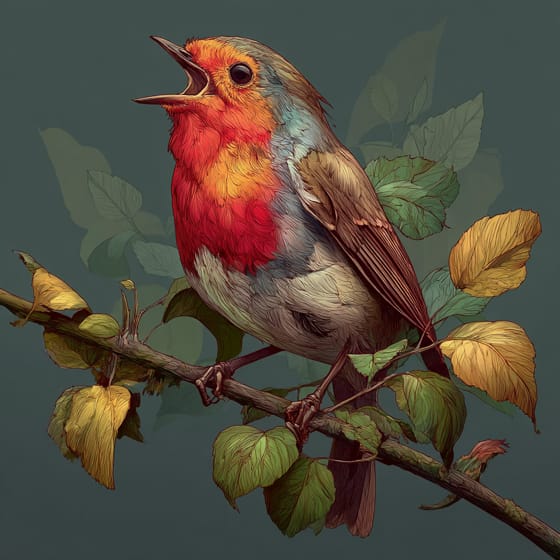
Turdus migratorius
A common bird predator of adult butterflies.

Acer rubrum
Adults often feed on its fermenting sap.

Argiope aurantia
Adults can become ensnared in its large webs.
Marked with spots or patches of a different color.
Solitary animals live alone for most of their lives, only interacting with others for mating or parental care.
Camouflaged describes organisms that possess coloring or patterns that allow them to blend into their environment.
This trait characterizes organisms whose diet consists entirely or primarily of plant material.

Describes plants that are particularly attractive and beneficial to a wide range of pollinating organisms.

Forest habitats are terrestrial environments dominated by dense tree cover, supporting a high diversity of plant and animal life.

Diurnal animals are primarily active during daylight hours, typically resting or sleeping at night.

Describes organisms that transfer pollen, enabling the fertilization and reproduction of plants.
No aliases listed yet.
Danger
1/5 · Very low
Always watch butterflies from a distance so you don't scare them away.
The easiest way to identify Appalachian Brown is to use the Snappit nature identifier app.
45-55 mm
11-18 mm
10-20 days
12 km/h
Adults sip tree sap and rotting fruit, while caterpillars munch on sedge grasses.
Forests
Foraging
Zoom in to split clusters and explore where this object has been snapped.
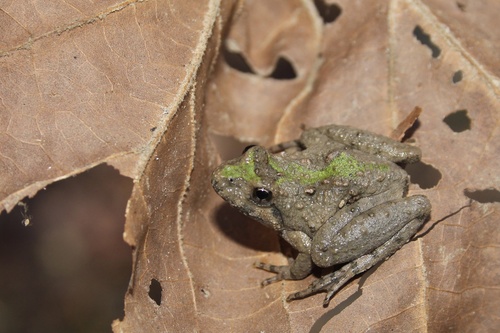
Maryland, US
You might spot Northern Cricket Frog and Common Whitetail.
View guide →

District of Columbia, US
You might spot Blue Dasher, Fragile Forktail, and Slaty Skimmer.
View guide →

District of Columbia, US
You might spot Eastern Gray Squirrel, Spotted Lanternfly, and Duck.
View guide →

Georgia, US
You might spot Anole, Pond Slider, and Spanish Moss.
View guide →

Virginia, US
You might spot Spotted Lanternfly, Asian Lady Beetle, and Duck.
View guide →

District of Columbia, US
You might spot Eastern Gray Squirrel, Duck, and House Sparrow.
View guide →
Take the discovery with you
Snap it with Snappit to identify it, learn what makes it special, and add the discovery to your collection.







.jpg&width=800)



