Eastern Gray Squirrel

Lafayette Square offers an iconic blend of history, protest, and green space directly opposite the White House.
Lafayette Square offers an iconic blend of history, protest, and green space directly opposite the White House. This seven-acre public park, nestled within President's Park, serves as a crucial historic and symbolic heart of Washington, D.C., drawing visitors with its picturesque landscapes and profound connection to American governance and civic life. Designated a National Historic Landmark District in 1970, it embodies centuries of national events, from quiet contemplation to fervent demonstrations.
At its core, Lafayette Square features five magnificent statues commemorating pivotal figures in American history. The equestrian statue of President Andrew Jackson stands proudly in the center, a striking bronze masterpiece. Surrounding him are four statues honoring European heroes of the American Revolutionary War: the Marquis de Lafayette, Comte de Rochambeau, Tadeusz Kościuszko, and Baron von Steuben, each with a unique story of their contributions to the nation's founding. The park's carefully planned pathways, mature shade trees, and historical context offer a tranquil yet powerful setting for visitors.
Visiting Lafayette Square provides a unique opportunity to witness the ambiance of power and history firsthand, with unparalleled views of the White House's North Portico. It's a place where history has been made and continues to unfold, making it an essential stop for anyone seeking to connect with the past and present of the United States. Whether you're capturing iconic photographs, reflecting on momentous events, or simply enjoying the urban greenery, Lafayette Square leaves a lasting impression. Be ready to snap and learn! Get the Snappit app to identify any nature species you find here.
Lafayette Square boasts a rich and varied past, far predating its current serene appearance. Originally part of Pierre L'Enfant's grand plan for the capital, the land that would become the square served diverse purposes in its early days, including a racetrack, a graveyard, a zoo, a slave market, and an encampment for soldiers during the War of 1812. In 1804, President Thomas Jefferson separated this area from the White House grounds by cutting Pennsylvania Avenue through it, and in 1824, it was officially named Lafayette Square in honor of the Marquis de Lafayette, the French general indispensable to the American Revolutionary War victory. The park's current picturesque layout largely stems from an 1851 landscaping plan by Andrew Jackson Downing, though elements of its design date to the 1930s. The central equestrian statue of Andrew Jackson, erected in 1853, was the first bronze statue cast in the United States. The other four Revolutionary War hero statues were added later, between 1891 and 1910. Throughout its history, Lafayette Square has been a prominent site for public demonstrations and celebrations, reflecting its central role in the nation's political and social discourse, including significant protests related to civil rights, the Vietnam War, and LGBTQ+ rights movements.
Stroll along the paved pathways, admire the detailed statuary, take photographs of the White House, and observe the dynamic pulse of Washington, D.C. It’s also a place to witness civic engagement, as it frequently hosts peaceful demonstrations and public gatherings.
Spring: Enjoy blooming flowers and comfortable temperatures, though crowds can be higher around the Cherry Blossom Festival (late March-early April).
Summer: Can be hot and humid, but longer daylight hours allow for evening visits. Consider indoor attractions nearby for respite.
Fall: Crisp air, vibrant fall foliage, and generally fewer crowds than spring make it a very pleasant time to visit.
Winter: Coldest season, but offers the lowest crowds for a more reflective experience.
Always check the National Park Service website before visiting for any scheduled events, protests, or temporary closures, as presidential movements can affect access.
Lafayette Square features wide, paved pathways with curb cuts, making it readily accessible for wheelchairs and strollers. Accessible restrooms and complimentary wheelchairs are available at the nearby Ellipse Visitor Center.
The iconic White House North Portico views.
The central equestrian statue of Andrew Jackson.
Marquis de Lafayette, Comte de Rochambeau, Tadeusz Kościuszko, and Baron von Steuben.
The historic architecture of surrounding buildings such as Decatur House, St. John's Episcopal Church, and the Renwick Gallery.
Each card links to a full Explore page with photos, traits, and fun facts.

















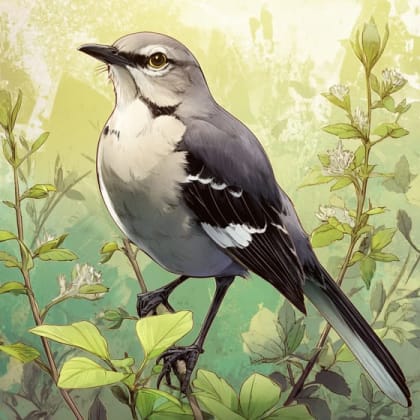











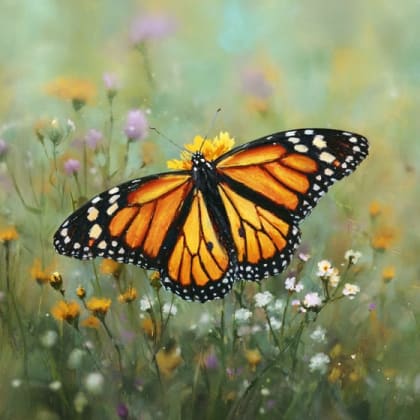


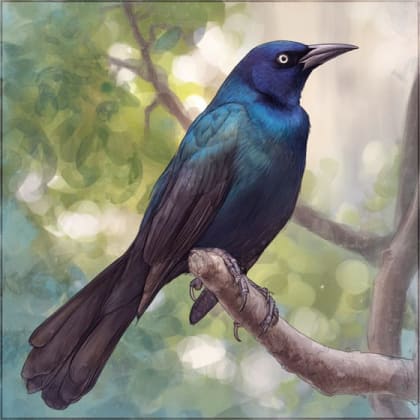







Start with the big picture, then zoom in to explore individual wildlife observations around this place.
Time your visit strategically
Arrive early in the morning (before 8 AM) or in the late afternoon for optimal lighting for photography and fewer crowds, especially if you want clear views of the White House.
Wear comfortable shoes
Exploring the 7-acre park and its surrounding historic district involves a fair amount of walking on paved surfaces.
Be prepared for security
Due to its proximity to the White House, expect potential security checkpoints and be mindful of any restricted areas. Carry only essential items.
Combine with nearby attractions
Extend your historical immersion by visiting adjacent sites like St. John's Episcopal Church, the Decatur House, or the Renwick Gallery.
Check for events and closures
Before your visit, consult the National Park Service website for Lafayette Square to be aware of any planned events, demonstrations, or temporary closures that might impact access or experience.
Do not feed the wildlife
While Eastern Gray Squirrels are abundant, feeding them can be detrimental to their health and the park's ecosystem.
Jun 20, 2026
Photo attribution
(c) Martin Kalfatovic, some rights reserved (CC BY)
License: CC BY 4.0 ↗
Image may be shown cropped inside the card frame.
Jun 20, 2026
Photo attribution
(c) Martin Kalfatovic, some rights reserved (CC BY)
License: CC BY 4.0 ↗
Image may be shown cropped inside the card frame.
Jun 20, 2026
Photo attribution
(c) Martin Kalfatovic, some rights reserved (CC BY)
License: CC BY 4.0 ↗
Image may be shown cropped inside the card frame.
Jun 20, 2026
Photo attribution
(c) Martin Kalfatovic, some rights reserved (CC BY)
License: CC BY 4.0 ↗
Image may be shown cropped inside the card frame.
Jun 20, 2026
Photo attribution
(c) Martin Kalfatovic, some rights reserved (CC BY)
License: CC BY 4.0 ↗
Image may be shown cropped inside the card frame.

Maryland, US
You might spot White-Tailed Deer and Eastern Gray Squirrel.
View guide →
.jpg)
District of Columbia, US
You might spot Eastern Gray Squirrel, Duck, and House Sparrow.
View guide →

Illinois, US
You might spot American Robin, Canada Goose, and House Sparrow.
View guide →

Virginia, US
You might spot Spotted Lanternfly and Northern Cardinal.
View guide →
Take the discovery with you
Identify the wildlife you spot, learn as you go, and keep a collection of the adventure.