





Aquatic Milkweed
Asclepias perennis
Aquatic Milkweed is a beautiful plant that grows near water. It has lovely flowers that attract butterflies and bees, making it a special part of nature's garden.
Habitat: Wetlands
The Aquatic Milkweed has slender, often reddish stems and glossy, lance-shaped leaves that can float or be partially submerged. It boasts delicate clusters of small, star-like white to pale pink flowers that grow in the leaf axils.
Category
PlantsRarity
Common
Danger
1/5 · Very low
Snaps
3
Despite its name, it can also grow in damp soil, not just water!
Its roots can survive being completely underwater for long periods!
Its tiny flowers are a sweet treat for many busy bees and butterflies!
Monarch butterfly caterpillars *love* to munch on its leaves for food!
Aquatic Milkweed can thrive in saturated soils and shallow water, allowing it to colonize unique wetland habitats.
Aquatic Milkweed has a milky, latex sap that deters most herbivores, protecting its leaves from being eaten.
Aquatic Milkweed's seeds have silky hairs that help them float, enabling water currents to carry them to new locations.
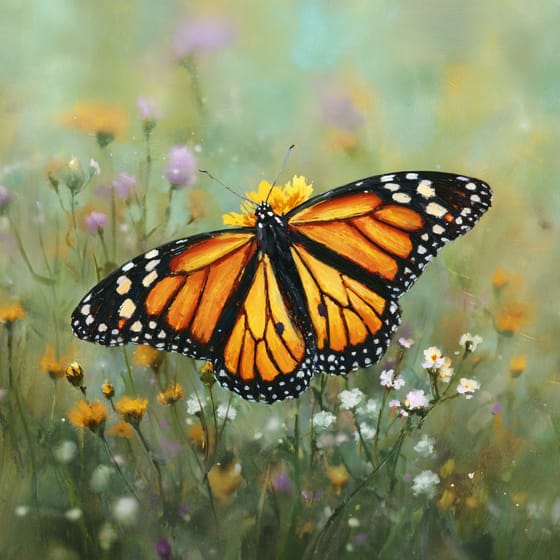
Danaus plexippus
Its caterpillars feed on the leaves.
Apis mellifera
Adults collect nectar and pollen.

Bombus impatiens
Pollinators for its small flowers.
%2C_Vorderansich.jpg&width=800)
Rana sphenocephala
Its dense growth offers cover in wetlands.
Deciduous plants periodically shed all their leaves, typically during autumn or dry seasons.
Flowering plants are any plants that produce flowers as part of their reproductive cycle.
Fragrant flowers emit a pleasant aroma, often to attract pollinators or for defense.
Edible plants are those parts of a plant that are considered safe for human consumption.

Describes plants that are particularly attractive and beneficial to a wide range of pollinating organisms.

This habitat trait identifies species found in wetlands, which are areas of land saturated with water, either permanently or seasonally, including marshes, swamps, and bogs.

Describes a species whose presence and role have a disproportionately large effect on its environment.

Aquatic habitats encompass environments where organisms live predominantly in water, including oceans, rivers, lakes, and wetlands.
No aliases listed yet.
Danger
1/5 · Very low
Always look but don't touch plants without asking an adult first.
The easiest way to identify Aquatic Milkweed is to use the Snappit nature identifier app.
30-90 cm
15-45 cm
0.5-1 cm
Late spring to late summer
No
Moderate
Perennial
Zoom in to split clusters and explore where this object has been snapped.
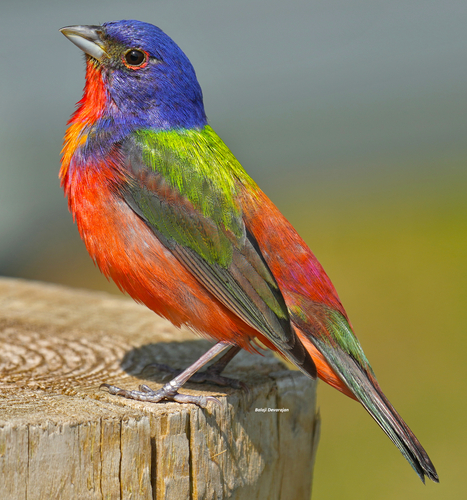
Louisiana, US
You might spot Painted Bunting, Dwarf Palmetto, and Aquatic Milkweed.
View guide →
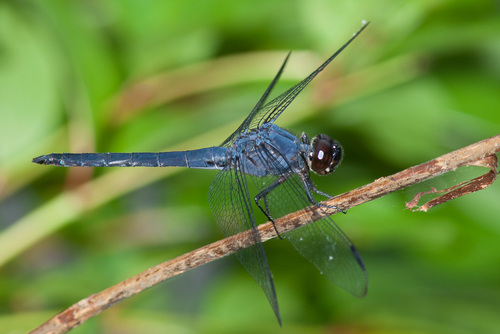
Arkansas, US
You might spot Slaty Skimmer and Common Eastern Bumble Bee.
View guide →

Florida, US
You might spot Great Blue Skimmer, Blue Dasher, and Queen.
View guide →
Take the discovery with you
Snap it with Snappit to identify it, learn what makes it special, and add the discovery to your collection.







.jpg&width=800)


_001.jpg&width=800)



