





Barred Owl
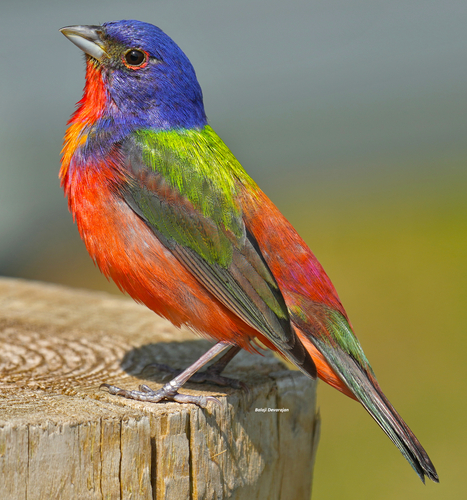
Dewey W. Wills Wildlife Management Area is a sprawling natural sanctuary spanning nearly 64,000 acres across LaSalle, Catahoula, and Rapides parishes in central Louisiana, offering a rich tapestry of bottomland hardwood forests, freshwater marshes, bayous, and lakes. This vital area, managed by the Louisiana Department of Wildlife and Fisheries, is a premier destination for outdoor enthusiasts seeking an authentic encounter with the region's diverse ecosystems and abundant wildlife. It's renowned for its significant role in providing critical habitat and myriad recreational opportunities amidst its seasonally flooded landscapes.
The WMA boasts an incredible array of wildlife, making it a hotspot for nature photography and observation. Visitors can spot majestic White-tailed Deer and elusive Louisiana Black Bears, along with a variety of furbearers like Raccoons and Beavers. Birdwatchers will be captivated by the numerous species, including vibrant Prothonotary Warblers, iconic Bald Eagles, and various waterfowl such as Mallards, American Wigeons, and Northern Shovelers that frequent its moist soil management impoundments and wetlands. The slow-moving waters are also home to the legendary American Alligator and a diverse range of fish like Largemouth Bass. The landscape itself is picturesque, characterized by towering Bald Cypress trees and delicate Water Lilies.
This expansive WMA provides a truly memorable outdoor adventure, whether you're navigating its network of all-weather roads, paddling its tranquil bayous, or exploring its dense woodlands. Its dedication to wildlife conservation, combined with diverse recreational offerings like hunting, fishing, birding, and camping, ensures a rewarding visit for anyone eager to connect with the untamed beauty of Louisiana's natural environment. The fluctuating water levels, rich bottomland hardwoods, and vibrant marshlands create a dynamic and ever-changing environment, offering new discoveries with each visit. Be ready to snap and learn! Get the Snappit app to identify any nature species you find here.
Established as a Wildlife Management Area, the Dewey W. Wills WMA was formerly known as the Saline Wildlife Management Area. Its name was changed, and its size significantly increased from 60,275 acres to its current nearly 64,000 acres in 1978. The area is jointly owned by the Louisiana Department of Wildlife and Fisheries (LDWF), the LaSalle Parish School Board, and the U.S. Army Corps of Engineers. More recently, in 2023, the WMA saw an expansion, incorporating an additional 2,440 acres of riparian river bank property and state-owned water bottoms of the Little River, following a lengthy legal battle regarding the ownership and classification of Catahoula Lake. The LDWF actively manages the forest, addressing issues like "oak decline" to maintain a healthy ecosystem.
Wildlife Viewing & Photography: Look for White-tailed Deer, Raccoons, Beavers, and a vast array of bird species including Bald Eagles, Great Blue Herons, Roseate Spoonbills, and various ducks.
* **Boating & Paddling: ** Utilize the five concrete boat ramps to explore the numerous bayous and lakes.
* **Fishing: ** Enjoy recreational fishing for Largemouth Bass, crappie, catfish, and sunfish.
* **Hunting: ** Permitted for game species including deer, squirrel, rabbit, waterfowl, and furbearers during designated seasons.
* **Hiking & ATV Trails: ** Explore the network of improved and unimproved roads and designated ATV trails.
* **Primitive Camping: ** Four primitive camping areas are maintained for overnight stays.
Fall/Winter: Peak season for hunting, especially deer and waterfowl. Many migratory birds are present. Be aware of hunting season closures and regulations.
Spring: Excellent for bird migration, with many songbirds like the Prothonotary Warbler active.
Summer: Can be hot and humid with more insect activity. Wildlife viewing might be less active during midday. The area is subject to annual overflow, and some roads may close due to high water.
The WMA is accessible via Louisiana Highway 28 East, with a network of all-weather roads providing vehicular access within the interior. Five concrete boat ramps offer access to waterways. While generally not considered handicapped-accessible for all trails, the WMA does offer special hunting seasons for physically challenged individuals.
A significant area for migratory waterfowl and shorebirds.
Explore diverse tree species like Nuttall, Overcup, and Willow Oaks, and observe forest-dwelling wildlife.
Seasonally excellent for observing large concentrations of waterfowl and wading birds.
Ideal for boating, fishing, and spotting American Alligators.
Each card links to a full Explore page with photos, traits, and fun facts.
Start with the big picture, then zoom in to explore individual wildlife observations around this place.
Obtain a Self-Clearing Permit
Always complete the check-in portion of the permit before starting your activity and the check-out portion upon leaving.
Bring Insect Repellent
Especially during warmer months, mosquitoes and other insects can be prevalent.
Pack Binoculars and Camera
Enhance your wildlife viewing and capture stunning photos of the diverse birdlife and other animals.
Check Regulations
Before visiting, consult the Louisiana Department of Wildlife and Fisheries website for the most current hunting, fishing, and WMA regulations, as seasons and rules can change.
Be Prepared for Seasonal Flooding
The area is subject to annual overflow, which can affect access to certain roads and trails. Check conditions before you go, especially during periods of heavy rain.
Adhere to Time Restrictions
During hunting seasons, some activities have specific entry (e.g., no earlier than 4 a.m.) and exit times (e.g., waterfowl hunting closes at 2 p.m.).
Apr 24, 2025
Apr 5, 2025
Jul 21, 2024
Jun 28, 2024
Jun 19, 2024

Maryland, US
You might spot White-Tailed Deer and Eastern Gray Squirrel.
View guide →
.jpg)
District of Columbia, US
You might spot Eastern Gray Squirrel, Duck, and House Sparrow.
View guide →

Illinois, US
You might spot American Robin, Canada Goose, and House Sparrow.
View guide →

Virginia, US
You might spot Spotted Lanternfly and Northern Cardinal.
View guide →
Take the discovery with you
Identify the wildlife you spot, learn as you go, and keep a collection of the adventure.



















.jpg&width=800)
