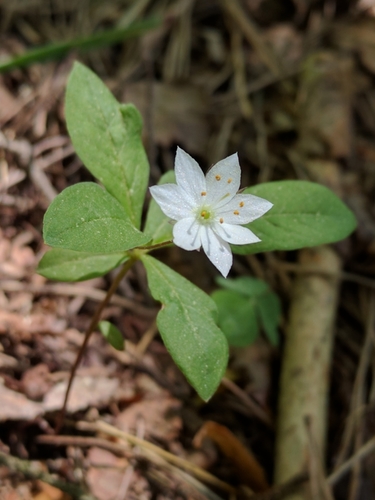


Arctic Starflower
lysimachia europaea
The Arctic Starflower, scientifically known as Lysimachia europaea (formerly Trientalis europaea), is a delicate yet resilient perennial herb found in cooler regions across the Northern Hemisphere. Despite its common name suggesting an exclusively Arctic habitat, it thrives in boreal and temperate forests, particularly in damp, acidic soils. This charming plant is noted for its distinctive star-shaped white flowers that typically appear in late spring to early summer, bringing a touch of elegance to the forest floor. Its ability to spread both by seeds and underground rhizomes allows it to form small, charming colonies.
Habitat: Found primarily in moist, often acidic soils of coniferous and mixed woodlands, as well as heaths and moorlands, particularly in mossy areas or alongside stream banks.
The Arctic Starflower typically grows 10 to 25 centimeters tall, featuring a slender stem topped by a whorl of 5-9 lanceolate (lance-shaped) to ovate green leaves at its apex. Above this leaf whorl, one to a few solitary, perfect flowers emerge on slender stalks. Each flower is distinctively star-shaped, usually pure white, but occasionally with a pinkish tint, and comprises 5 to 9 narrow petals and a central yellow anther ring. The fruit is a small, spherical capsule.
Category
PlantsRarity
Common
Danger
1/5 · Very low
Snaps
1
Despite its common name 'Arctic Starflower', it is more accurately found in boreal and temperate regions, often preferring cool, moist forest environments rather than extreme Arctic tundra.
Historically, this species was placed in its own genus, *Trientalis*, before being reclassified into the broader *Lysimachia* genus based on molecular phylogenetic studies.
In some traditional herbal medicine practices, it was used for its purported anti-inflammatory properties, though scientific evidence is limited.
The plant's symmetrical, star-like flowers often have between 5 and 9 petals, which is unusual as most flowers typically have 3, 4, 5, or 6 petals.
The Arctic Starflower can spread effectively through underground rhizomes, allowing it to form clonal colonies and quickly colonize suitable forest floor habitats.
Adapted to cooler climates, this plant can withstand low temperatures and short growing seasons, characteristic of its northern and montane distribution.
Its seeds often exhibit dormancy, requiring specific environmental cues like cold stratification to germinate, ensuring seedlings emerge under optimal conditions.
As an autotrophic plant, Lysimachia europaea produces its own food through photosynthesis, converting sunlight into energy using chlorophyll. It absorbs water and essential nutrients from the soil through its root system.
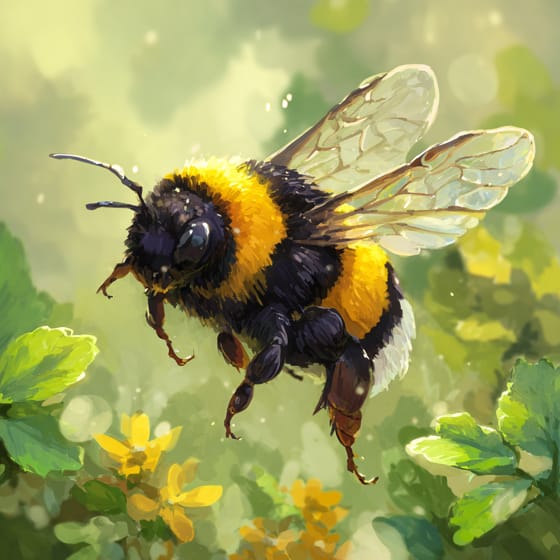
Bombus spp.
Pollinator, attracted by nectar and pollen.
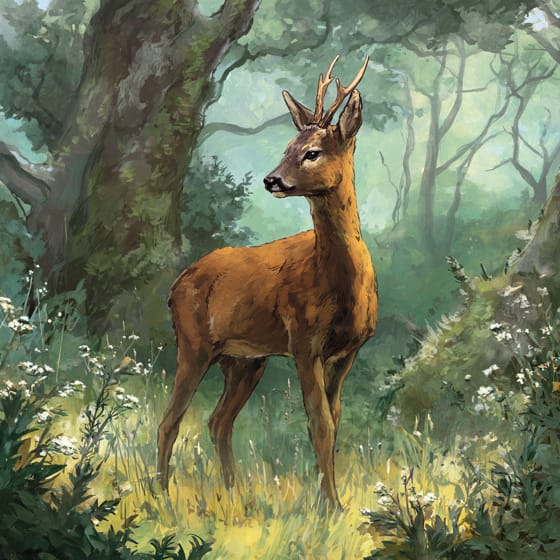
Capreolus capreolus
Herbivore that may graze on leaves.
_and_beneficial_bacteria_on_plant_performance_and_soil_fertility.webp&width=800)
Various species
Fungal partner enhancing nutrient absorption.
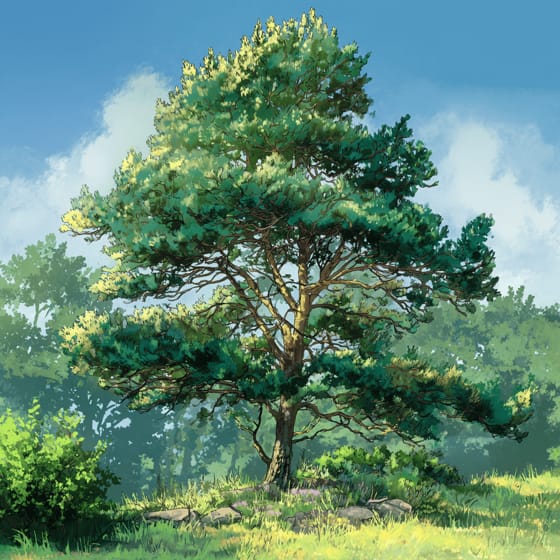
Pinus sylvestris
Creates shade and leaf litter, influencing understory growth.
No trait badges are assigned for this object yet.
No aliases listed yet.
Collections for this object will appear here as more themes are added.
Danger
1/5 · Very low
No special safety notes yet.
The easiest way to identify Arctic Starflower is to use the Snappit nature identifier app.
10-25 cm
0.001-0.01 kg
2-5 years
As an autotrophic plant, Lysimachia europaea produces its own food through photosynthesis, converting sunlight into energy using chlorophyll. It absorbs water and essential nutrients from the soil through its root system.
Found primarily in moist, often acidic soils of coniferous and mixed woodlands, as well as heaths and moorlands, particularly in mossy areas or alongside stream banks.
Photosynthesis And Nutrient Absorption
Zoom in to split clusters and explore where this object has been snapped.

Alaska, US
You might spot Brown Bear, Common Merganser, and Sockeye Salmon.
View guide →

Alaska, US
You might spot Moose, Devil's Club, and Red-Berried Elder.
View guide →
.jpg)
Ústí nad Labem Region, CZ
You might spot Bears, South American Tapir, and Macaques.
View guide →
Take the discovery with you
Snap it with Snappit to identify it, learn what makes it special, and add the discovery to your collection.












.jpg&width=800)



_001.jpg&width=800)




