




hoary alyssum
Berteroa incana
Hoary alyssum is a pretty plant with soft, grayish leaves and small white flowers. It grows in many places and can be found blooming in the summer, making it a lovely sight in gardens and fields.
Habitat: Grasslands
The hoary alyssum has many small, four-petaled white flowers clustered at the top of fuzzy, grey-green stems. Its narrow, lance-shaped leaves are also covered in fine, star-shaped hairs, giving the plant a soft, frosted appearance.
Category
PlantsRarity
Common
Danger
1/5 · Very low
Snaps
7
Hoary alyssum can make horses sick if they eat too much!
It often pops up in sunny places like roadsides and fields!
Its fuzzy leaves look like frost, even on hot days!
Its scientific name means 'hoary mustard', but it's not a true alyssum!
Hoary alyssum has tiny star-shaped hairs on its leaves that help it store water and deter hungry plant-eaters.
This plant can produce thousands of small seeds that scatter widely, helping it quickly colonize new open areas.
Hoary alyssum has a strong taproot that helps it survive in dry, poor soils where other plants struggle.
Apis mellifera
Its tiny flowers provide nectar and pollen.
Pieris rapae
Caterpillars sometimes feed on its leaves.
Bombus impatiens
Bumblebees visit its small white blossoms.
Flowering plants are any plants that produce flowers as part of their reproductive cycle.
Describes organisms capable of converting atmospheric nitrogen into compounds usable by plants.
Ornamental plants are cultivated primarily for their aesthetic appeal, enhancing landscapes and gardens with their attractive foliage, flowers, or form.
Biennial plants complete their life cycle over two growing seasons, typically forming foliage in the first year and flowering/seeding in the second.

Summer blooming plants produce their flowers during the summer season, often providing vibrant color when many other plants have finished.

Drought-tolerant plants can survive and flourish in conditions with limited water availability.

Grassland habitats are terrestrial biomes dominated by grasses and herbaceous plants, supporting a variety of grazing animals.

Describes plants that are particularly attractive and beneficial to a wide range of pollinating organisms.
No aliases listed yet.
Danger
1/5 · Very low
Always check with an adult before touching or picking plants.
The easiest way to identify hoary alyssum is to use the Snappit nature identifier app.
30-80 cm
20-40 cm
0.3-0.5 cm
Summer to Fall
No
Moderate
Biennial
Zoom in to split clusters and explore where this object has been snapped.

New Hampshire, US
You might spot Hackberry Emperor, Tansy, and Wood Nettle.
View guide →

Montana, US
You might spot Spotted Knapweed, Great Mullein, and Nodding Onion.
View guide →
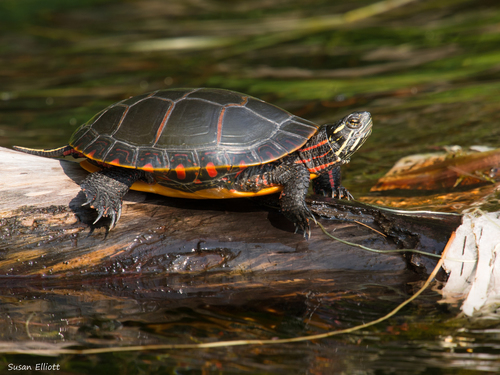
Massachusetts, US
You might spot Painted Turtle, White Turtlehead, and Ragged-Robin.
View guide →
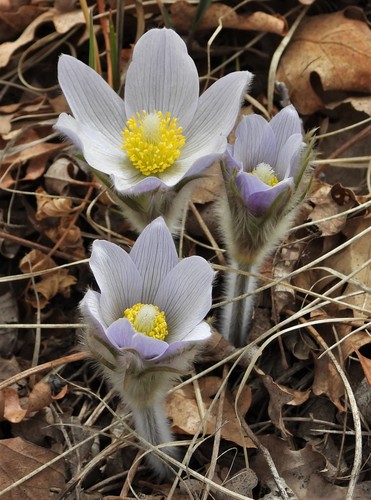
Wisconsin, US
You might spot Prairie Pasqueflower, Prairie Smoke, and Red Columbine.
View guide →

Minnesota, US
You might spot Sand Tiger Shark, Loggerhead Sea Turtle, and Spiders.
View guide →

Idaho, US
You might spot Elk, Morrison's Bumble Bee, and Common Cowparsnip.
View guide →
Take the discovery with you
Snap it with Snappit to identify it, learn what makes it special, and add the discovery to your collection.








.jpg&width=800)



_001.jpg&width=800)




