




Argentine Ant
Linepithema humile
Argentine ants are tiny, hardworking insects that live in big groups called colonies. They are known for their teamwork and can be found in many places around the world!
Habitat: Urban areas
The Argentine Ant is a small, slender ant with a shiny, uniform dark brown body. Unlike some ants, its workers are all roughly the same size and lack obvious spines or distinctive body segments, giving it a sleek appearance.
Category
InsectsRarity
Common
Danger
1/5 · Very low
Snaps
3
Argentine ants sometimes nest directly inside houses, seeking warmth and food.
Queens can lay up to 60 eggs every single day, growing colonies fast.
They don't fight ants from their own supercolony, even if from far away!
They protect sap-sucking aphids to 'farm' their sweet honeydew.
Argentine Ant can form massive supercolonies stretching for thousands of miles, letting millions of ants work together.
Argentine Ant has special scent signals that help them quickly share food locations or warn about danger.
Argentine Ant can thrive in many different environments, helping them spread quickly around the globe.
These ants munch on almost anything sweet or protein-rich they can find!
Aphis gossypii
Protects aphids for their sugary honeydew.

Pogonomyrmex californicus
Outcompetes and attacks native ant species.
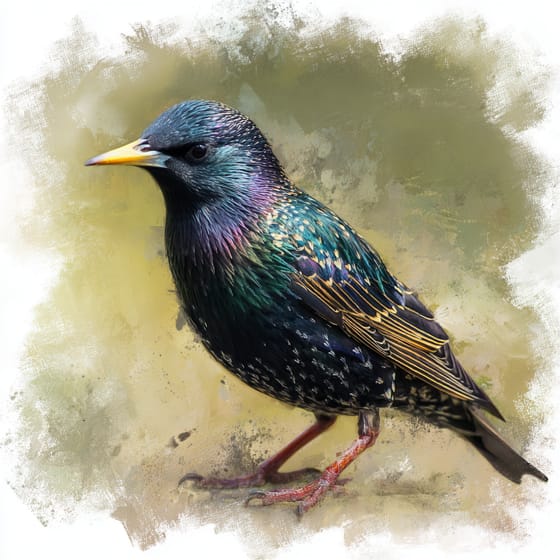
Sturnus vulgaris
Common prey for many insectivorous birds.
Musca domestica
Scavenges on dead insects for protein.
Social animals live in organized groups, cooperating for survival benefits such as foraging, defense, and raising offspring.
This trait identifies organisms whose diet includes both plant and animal matter.
Scavengers consume dead organic matter, helping to decompose carcasses and other waste in the ecosystem.
Diurnal animals are primarily active during daylight hours, typically resting or sleeping at night.

Pertaining to species that are significantly smaller than typical or average for their kind.

This habitat trait indicates species that can coexist with humans in urban and suburban environments, utilizing man-made structures and green spaces.

Invasive species are non-native organisms that cause harm to the environment, economy, or human health.

Describes organisms that transfer pollen, enabling the fertilization and reproduction of plants.
No aliases listed yet.
Danger
1/5 · Very low
Be careful not to disturb ant nests, as they are busy working together.
The easiest way to identify Argentine Ant is to use the Snappit nature identifier app.
2-3 mm
60-365 days
These ants munch on almost anything sweet or protein-rich they can find!
Urban areas
Foraging
6
100000000
Zoom in to split clusters and explore where this object has been snapped.

California, US
You might spot Western Fence Lizard and Pacific Poison Oak.
View guide →

California, US
You might spot Pipevine Swallowtail and Western Fence Lizard.
View guide →

California, US
You might spot Dark-Eyed Junco and Eastern Fox Squirrel.
View guide →
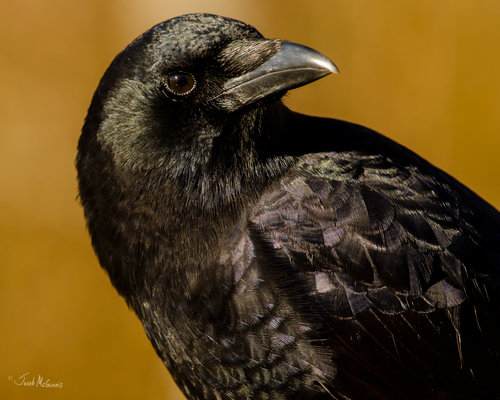
California, US
You might spot American Crow and Yellow-Rumped Warbler.
View guide →
Take the discovery with you
Snap it with Snappit to identify it, learn what makes it special, and add the discovery to your collection.








.jpg&width=800)




