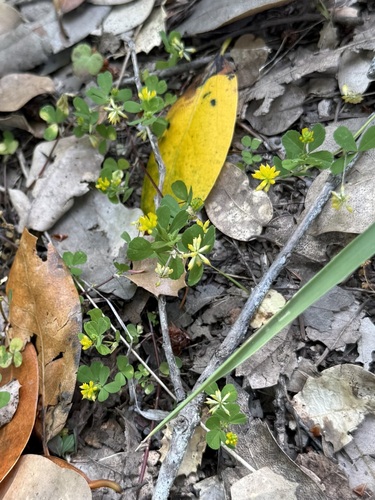
Western Fence Lizard

Hakone Gardens offers an authentic Japanese garden experience nestled in California's scenic Saratoga hills.
Hakone Gardens offers an authentic Japanese garden experience nestled in California's scenic Saratoga hills. As one of the oldest Japanese-style residential gardens in the Western Hemisphere, this 18-acre sanctuary seamlessly blends traditional Japanese design with the natural beauty of the Silicon Valley landscape, providing a profound sense of peace and cultural immersion. It's recognized as one of the National Trust for Historic Preservation's premier sites, making it a living museum of Japanese landscaping and architecture.
Visitors can explore a variety of meticulously crafted gardens, each offering a distinct atmosphere. Wander through the tranquil Zen Garden with its raked gravel patterns designed for contemplation, or discover the vibrant Hill and Pond Garden featuring a picturesque waterfall cascading into a large koi pond, accessible by a graceful Moon Bridge. The Bamboo Garden, symbolizing friendship with Saratoga's sister city in Japan, presents a dense, verdant grove, while the Tea Garden invites quiet reflection near traditional tea houses.
Beyond its botanical wonders, Hakone Gardens provides a unique cultural escape, transporting guests to Japan without leaving California. With historic structures authentically crafted in Japan over a century ago and opportunities for traditional tea ceremonies, it's a place where art, nature, and history converge, leaving visitors refreshed and inspired. It's an ideal destination for those seeking tranquility, cultural enrichment, and beautiful photography opportunities. Unlock an interactive field guide for this spot: get the Snappit app to identify nature on the go.
Hakone Gardens traces its origins to 1915 when San Francisco arts patrons Oliver and Isabel Stine purchased the 18-acre site. Inspired by the Panama-Pacific International Exposition and a trip to Japan in 1916, Isabel Stine envisioned a summer retreat modeled after the Fuji-Hakone-Izu National Park. She commissioned renowned Japanese landscape artist Naoharu Aihara to design the gardens and architect Tsunematsu Shintani to construct the Upper "Moon Viewing" House and the koi pond between 1917 and 1929. The estate changed hands several times, including financier Major Charles Lee Tilden who added the Main Gate and Wisteria Pavilion in the 1930s and 40s. In 1966, the City of Saratoga purchased Hakone Gardens, preserving it as a public park. Since 2000, The Hakone Foundation, a non-profit organization, has managed and maintained the gardens, ensuring their restoration and enhancement independently of public funding. Hakone was added to the National Register of Historic Places in 2013.
Stroll through the winding pathways, observe the koi fish and turtles in the pond (food is available for purchase in the gift shop during spring and summer months), enjoy the various architectural details, and find a quiet spot for meditation. Participate in a public tea ceremony demonstration, typically held on the first Sunday of each month from April to December (separate ticket required). Check the schedule for classes in flower arrangement, origami, or Zazen meditation.
Spring: Cherry blossoms, azaleas, wisteria, and rhododendrons are in bloom, making it a very popular time to visit. Special "Hanami" (flower viewing) events, including nighttime cherry blossom viewing, may be offered. Parts of the Bamboo Garden may be closed seasonally (April-May) to protect new growth.
Summer: Features iris, peonies, and water lilies.
Autumn: Displays an array of red, gold, and burnt orange foliage.
Winter: Offers a serene landscape with muted green foliage and bare trees.
While ADA parking and restrooms are available, some parts of the historic site, built on a steep hillside with traditional gravel and stone steps, are not fully ADA accessible. The main ceremony and reception areas are wheelchair accessible, but other garden areas have limited wheelchair access due to the terrain. Visitors are advised to be mindful of uneven surfaces and stone steps.
Features a prominent waterfall, a large koi pond, and the elegant Moon Bridge.
A meticulously raked gravel garden designed for quiet contemplation.
A serene grove representing the sister city relationship between Saratoga and Mukō.
An authentic reproduction of a 19th-century Kyoto tea merchant's house, hosting exhibits and events.
Each card links to a full Explore page with photos, traits, and fun facts.
Start with the big picture, then zoom in to explore individual wildlife observations around this place.
Wear appropriate footwear
The gardens feature traditional gravel ground coverings and stone steps, some of which are uneven. Comfortable, sturdy shoes are highly recommended.
Visit on a weekday morning for tranquility: Weekdays generally have fewer visitors, offering a more peaceful and contemplative experience. Arriving shortly after opening can also help avoid crowds.
Bring a map
The 18-acre garden features over 20 points of interest and various specialized gardens; a map will help you navigate and ensure you don't miss any highlights.
Purchase koi food
During spring and summer months, you can buy koi fish food from the gift shop to feed the fish in the pond, a popular activity for visitors of all ages.
Check for seasonal events
Hakone Gardens hosts various cultural events throughout the year, such as public tea ceremonies, flower arranging classes, and seasonal festivals. Check their website in advance to plan your visit around these unique experiences.
Be mindful of photography rules
Personal photography is encouraged, but commercial or portrait photography (e.g., weddings, engagements) requires a permit and prior scheduling.
Jun 17, 2026
Photo attribution
no rights reserved
License: CC0 1.0 ↗
Image may be shown cropped inside the card frame.
May 30, 2026
Photo attribution
no rights reserved
License: CC0 1.0 ↗
Image may be shown cropped inside the card frame.
May 30, 2026
Photo attribution
(c) lazarus, some rights reserved (CC BY)
License: CC BY 4.0 ↗
Image may be shown cropped inside the card frame.
May 30, 2026
Photo attribution
(c) lazarus, some rights reserved (CC BY)
License: CC BY 4.0 ↗
Image may be shown cropped inside the card frame.
May 30, 2026
Photo attribution
(c) lazarus, some rights reserved (CC BY)
License: CC BY 4.0 ↗
Image may be shown cropped inside the card frame.

Maryland, US
You might spot White-Tailed Deer and Eastern Gray Squirrel.
View guide →
.jpg)
District of Columbia, US
You might spot Eastern Gray Squirrel, Duck, and House Sparrow.
View guide →

Illinois, US
You might spot American Robin, Canada Goose, and House Sparrow.
View guide →

Virginia, US
You might spot Spotted Lanternfly and Northern Cardinal.
View guide →
Take the discovery with you
Identify the wildlife you spot, learn as you go, and keep a collection of the adventure.