




Monarch Butterfly

Atchison Village is a unique historic neighborhood and living museum in Richmond, California.
Atchison Village is a unique historic neighborhood and living museum in Richmond, California. This cooperatively managed community offers a fascinating glimpse into World War II-era housing and a vibrant community spirit. Recognized on the National Register of Historic Places and part of the Rosie the Riveter/World War II Home Front National Historical Park, it stands as a testament to the nation's wartime mobilization and innovative housing solutions. Its distinctive architecture and "garden city" layout provide a tangible connection to a pivotal moment in American history.
The village features 450 modest, utilitarian homes, primarily single-story, designed in the Minimal Traditional style popular in the 1930s and 1940s, prioritizing functionality over ornamentation. These well-preserved residences are nestled amidst winding streets, spacious yards, and common green spaces, including a four-acre central park with a playground. While not a traditional wildlife park, these green areas, along with mature trees and community landscaping, provide a habitat for common urban birds and beneficial insects, contributing to the village's tranquil atmosphere.
Visiting Atchison Village offers a memorable experience for those interested in history, architecture, and community design. It’s an opportunity to stroll through a living piece of history, appreciate the resilience and adaptability of communities formed under extraordinary circumstances, and observe the enduring legacy of wartime housing initiatives. The cooperative management model has fostered a strong sense of shared responsibility, making it not just a collection of historic homes but a thriving, engaged neighborhood. Unlock an interactive field guide for this spot: get the Snappit app to identify nature on the go.
Atchison Village was originally constructed in 1941 as part of the defense housing program to provide much-needed homes for the influx of shipyard workers and their families in Richmond during World War II. Built to a higher standard than many temporary wartime housing projects, it was intended as permanent housing and was designed with a focus on durability, livability, and community. The community's layout was influenced by the "garden city" and "city beautiful" movements, featuring buildings arranged around courtyards with interior green spaces. Unlike many other wartime housing developments that were later demolished, Atchison Village endured, becoming one of the few projects funded by the Lanham Act to remain in Richmond. In 1956, residents collectively purchased the property for $1.5 million, establishing the Atchison Village Mutual Homes Corporation. This made it one of California's first housing cooperatives, ensuring its preservation and fostering a strong sense of community and shared ownership that continues to this day. The entire neighborhood was added to the National Register of Historic Places in 2003 and is an integral part of the Rosie the Riveter/World War II Home Front National Historical Park.
Take a self-guided driving or walking tour to appreciate the distinctive architecture and community planning. Observe the unique cooperative living environment and the sense of history embedded in the homes and streets. Be mindful that it is an active residential neighborhood.
California's temperate climate means it can be visited year-round. Summers are warm and dry, while winters are mild. Consider potential community events on "Founding Day" (September 28th) or other local celebrations, which might offer a more vibrant community experience.
The village consists of public streets accessible by car and on foot. Many units are single-story, and handicap ramps are permitted, and the auditorium and public restroom are handicap accessible. The central park has walking paths and a children's playground.
The well-preserved, utilitarian homes showcasing Minimal Traditional style.
The "garden city" inspired design with its winding streets and common green courtyards.
A four-acre central park with a playground, offering a glimpse into community life.
As part of the Rosie the Riveter/WWII Home Front National Historical Park, its historical context is a major draw.
Each card links to a full Explore page with photos, traits, and fun facts.
Start with the big picture, then zoom in to explore individual wildlife observations around this place.
Respect Residents
Remember that Atchison Village is a residential community. Be mindful of privacy and noise levels.
Self-Guided Tour
Plan a self-guided walking or driving tour to explore the streets and appreciate the historic architecture at your own pace.
Photography Etiquette
Feel free to photograph the historic buildings and overall village aesthetic, but be respectful and avoid photographing individual residents without permission.
Visit the Rosie the Riveter WWII Home Front National Historical Park Visitor Center: For deeper historical context, consider visiting the nearby visitor center first, as Atchison Village is part of the broader historical park.
Explore Green Spaces
Take time to observe the central park and the various green courtyards that contribute to the village's unique "garden city" design.
Wear Comfortable Shoes
If planning a walking tour, comfortable footwear is advisable.
Jun 16, 2026
Photo attribution
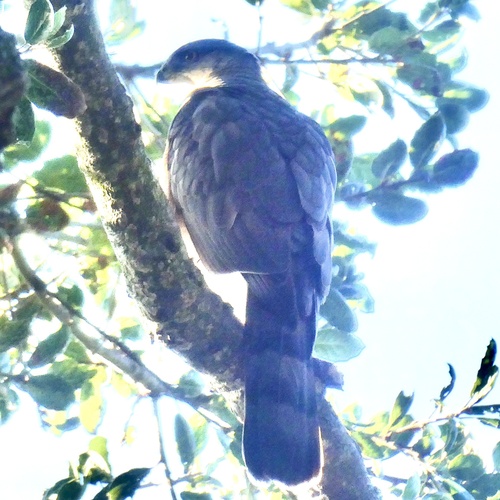
(c) Barbara Banfield, some rights reserved (CC BY)
License: CC BY 4.0 ↗
Image may be shown cropped inside the card frame.
Jun 2, 2026
Photo attribution
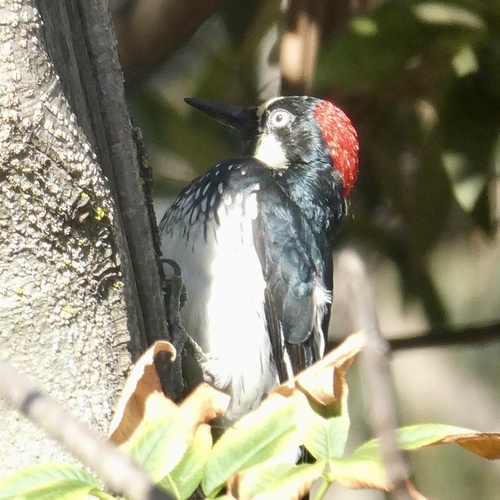
(c) Karen Offereins, some rights reserved (CC BY)
License: CC BY 4.0 ↗
Image may be shown cropped inside the card frame.
Jun 2, 2026
Photo attribution
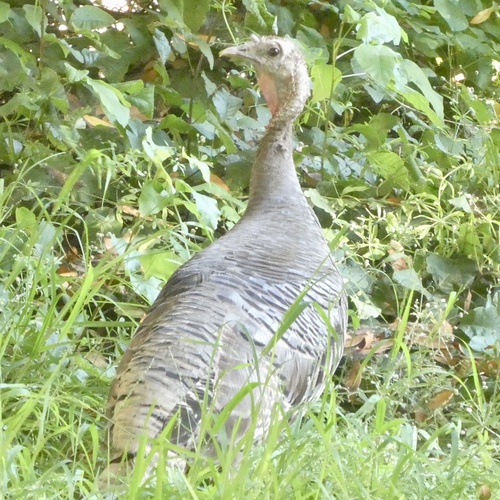
(c) Karen Offereins, some rights reserved (CC BY)
License: CC BY 4.0 ↗
Image may be shown cropped inside the card frame.
Jun 2, 2026
Photo attribution
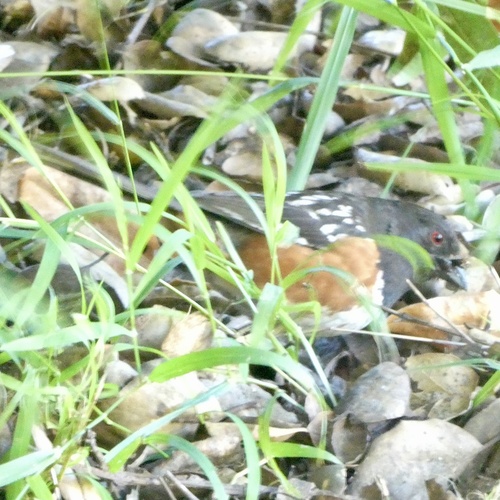
(c) Karen Offereins, some rights reserved (CC BY)
License: CC BY 4.0 ↗
Image may be shown cropped inside the card frame.
Jun 2, 2026
Photo attribution
(c) Karen Offereins, some rights reserved (CC BY)
License: CC BY 4.0 ↗
Image may be shown cropped inside the card frame.

Maryland, US
You might spot White-Tailed Deer and Eastern Gray Squirrel.
View guide →
.jpg)
District of Columbia, US
You might spot Eastern Gray Squirrel, Duck, and House Sparrow.
View guide →

Illinois, US
You might spot American Robin, Canada Goose, and House Sparrow.
View guide →

Virginia, US
You might spot Spotted Lanternfly and Northern Cardinal.
View guide →
Take the discovery with you
Identify the wildlife you spot, learn as you go, and keep a collection of the adventure.