





Atlantic White-sided Dolphin
Leucopleurus acutus
The Atlantic White-sided Dolphin is a playful and friendly marine mammal that loves to swim in the ocean. They are known for their beautiful gray and white coloring and can often be seen jumping out of the water!
Habitat: Coastal areas
The Atlantic White-sided Dolphin has a sleek, torpedo-shaped body with a dark gray or black back and a bright white belly. Its most striking feature is a distinctive yellow-tan stripe on its side, curving from below its dorsal fin towards its tail, differentiating it from other dolphin species.
Category
MammalsRarity
Common
Danger
1/5 · Very low
Snaps
Be the first to snap!
Atlantic White-sided Dolphins can live in huge groups, sometimes over a thousand!
Their yellow-tan side patch makes them easy to identify among other dolphin species.
These dolphins can dive over 200 meters deep to find tasty meals!
They often leap completely out of the water, a spectacular display called breaching!
Atlantic White-sided Dolphins can use echolocation to navigate and hunt prey in the dark depths of the ocean.
Atlantic White-sided Dolphins can reach bursts of 40 km/h, helping them chase down fast-moving fish and squid.
Atlantic White-sided Dolphins have complex whistles and clicks that help them communicate with large pods.
Atlantic White-sided Dolphins can breach high out of the water, which helps them communicate or dislodge parasites.
They love to eat small fish and squid found in the chilly waters of the Atlantic.
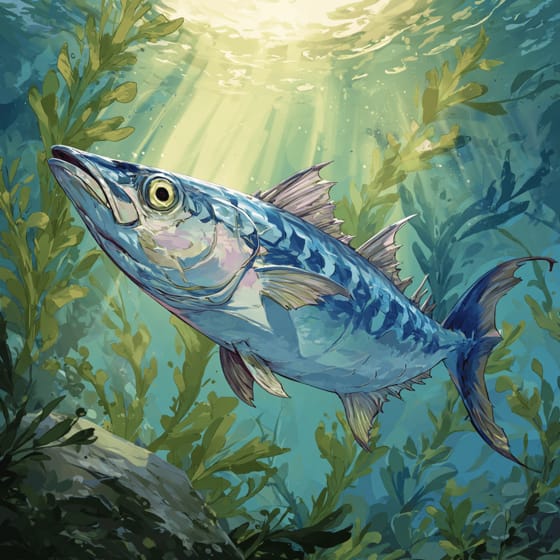
Scomber scombrus
A primary food source in their diet.
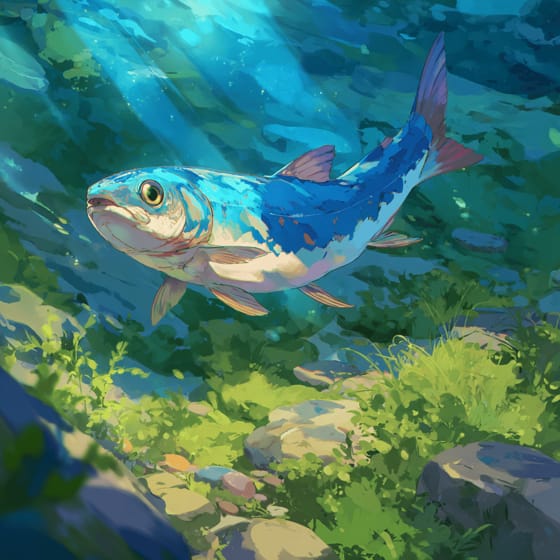
Clupea harengus
Often found feeding on large schools of these fish.
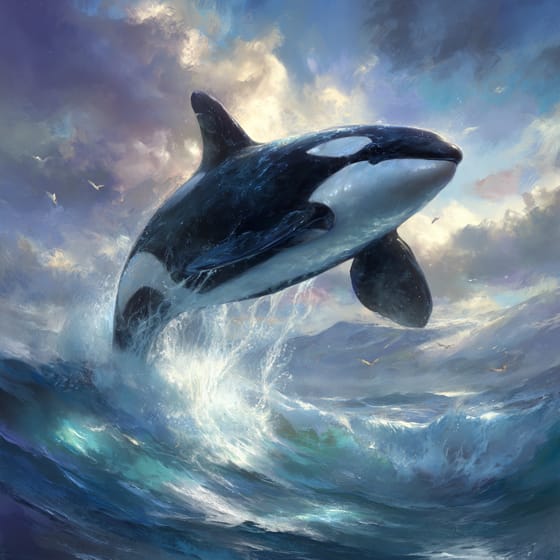
Orcinus orca
Sometimes preyed upon by these larger marine predators.
Illex illecebrosus
A significant part of their diet, especially in deeper waters.
Furry describes animals possessing a dense covering of soft hair or fur.
Social animals live in organized groups, cooperating for survival benefits such as foraging, defense, and raising offspring.
Colorful describes organisms or objects displaying a wide range of bright and distinct colors.
Echolocation is a biological sonar used by animals to navigate, hunt, and communicate by emitting sound waves and interpreting the echoes.

Coastal habitats are dynamic environments located along the interface between land and sea, influenced by tides, waves, and saltwater.

This trait identifies organisms whose diet consists entirely or primarily of animal tissue.

Describes a species whose presence and role have a disproportionately large effect on its environment.

This trait identifies organisms that exhibit exceptional swiftness in movement for hunting, escape, or travel.

Marine habitats encompass all saltwater environments of the Earth's oceans, supporting an immense diversity of aquatic life.

Migratory animals undertake seasonal movements from one region to another, typically in response to changes in climate or food availability.
Danger
1/5 · Very low
Always watch dolphins from a distance and never try to touch or feed them.
The easiest way to identify Atlantic White-sided Dolphin is to use the Snappit nature identifier app.
250-280 cm
200-230 kg
20-30 years
40 km/h
They love to eat small fish and squid found in the chilly waters of the Atlantic.
Coastal areas
Pursuit
Zoom in to split clusters and explore where this object has been snapped.
Recent snaps will appear here as new observations are added.
Take the discovery with you
Snap it with Snappit to identify it, learn what makes it special, and add the discovery to your collection.




.jpg&width=800)



.JPG&width=800)



.jpg&width=800)
