.jpg&width=800)





autumn clematis
Clematis terniflora
Autumn clematis is a beautiful climbing flower that blooms in late summer and fall. Its lovely white flowers smell sweet and attract butterflies and bees, making gardens bright and lively.
Habitat: Urban areas
The autumn clematis is a vigorous, woody vine boasting masses of small, star-shaped white flowers. Its dark green leaves provide a lush backdrop, and after blooming, the flowers transform into distinctive feathery seed heads. This dense growth habit makes it stand out.
Category
PlantsRarity
Common
Danger
1/5 · Very low
Snaps
6
After blooming, the flowers turn into fluffy 'fairy dust' seeds that look amazing!
Autumn clematis is also known as 'sweet autumn virginsbower' because of its fragrant flowers!
Its tiny white flowers create a powerful, sweet scent that can be smelled from far away!
This tough vine can quickly cover fences or climb tall trees up to 30 feet high!
Autumn clematis has highly fragrant flowers that help it attract many different insects for pollination.
Autumn clematis uses its twining leaf petioles to climb and grasp onto structures, reaching great heights.
Its seeds grow long, feathery tails that help them float on the wind to new locations to reproduce.
Apis mellifera
Attracted to the nectar

Bombus impatiens
Feeds on abundant nectar
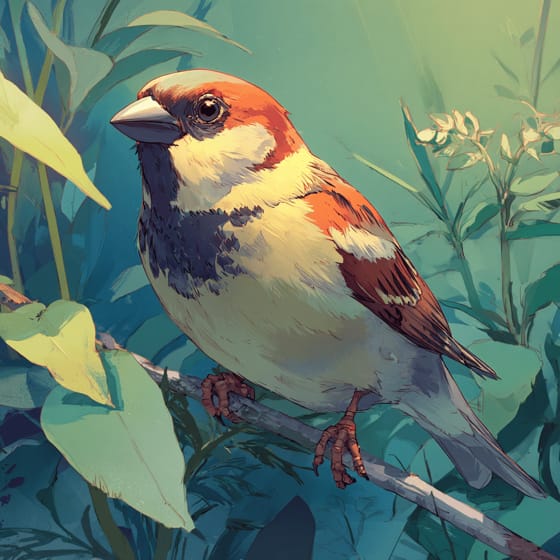
Passer domesticus
Nests in dense vine growth
Climbing or vine plants are characterized by a growth habit that allows them to ascend upwards by twining, tendrils, or adhesive roots.
Deciduous plants periodically shed all their leaves, typically during autumn or dry seasons.
Flowering plants are any plants that produce flowers as part of their reproductive cycle.
Cluster flowers are inflorescences where individual flowers are arranged closely together on a common stem.

Summer blooming plants produce their flowers during the summer season, often providing vibrant color when many other plants have finished.

Fragrant flowers emit a pleasant aroma, often to attract pollinators or for defense.

Describes plants that are particularly attractive and beneficial to a wide range of pollinating organisms.

This habitat trait indicates species that can coexist with humans in urban and suburban environments, utilizing man-made structures and green spaces.
Danger
1/5 · Very low
Always be gentle when touching flowers and ask an adult before picking them.
The easiest way to identify autumn clematis is to use the Snappit nature identifier app.
300-900 cm
180-360 cm
1-2 cm
Late summer to fall
No
Mild
Perennial
Zoom in to split clusters and explore where this object has been snapped.
May 14, 2026
Huntington Center Historic DistrictPhoto attribution
no rights reserved
License: CC0 1.0 ↗
Image may be shown cropped inside the card frame.
Oct 12, 2025
Forest Hill ParkPhoto attribution
(c) greatlakes25, some rights reserved (CC BY)
License: CC BY 4.0 ↗
Image may be shown cropped inside the card frame.

Ohio, US
You might spot Duck, Canada Goose, and Muscovy Duck.
View guide →

Pennsylvania, US
You might spot Canada Goose, American Robin, and Red-Winged Blackbird.
View guide →

Virginia, US
You might spot Eastern Box Turtle and Northern Cricket Frog.
View guide →

District of Columbia, US
You might spot Eastern Carpenter Bee and Common Eastern Bumble Bee.
View guide →

Connecticut, US
You might spot Eastern Gray Squirrel, Red Fox, and Northern Cardinal.
View guide →

Virginia, US
You might spot Squareback Marsh Crab and American Trumpet Vine.
View guide →
Take the discovery with you
Snap it with Snappit to identify it, learn what makes it special, and add the discovery to your collection.




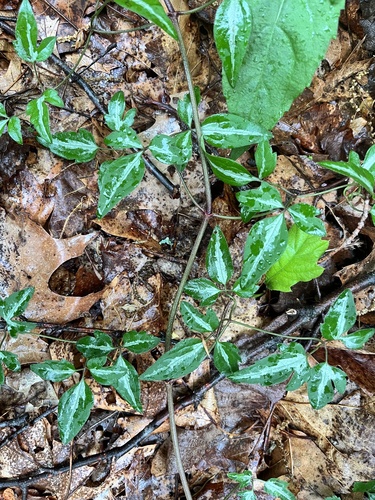
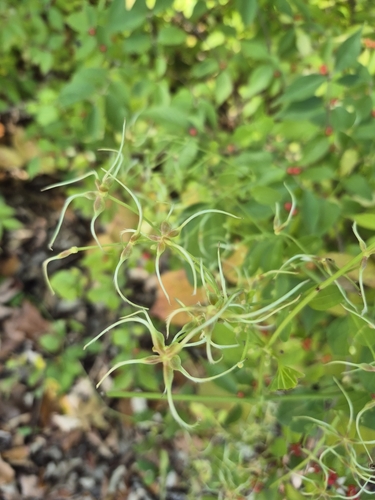


.jpg&width=800)


_001.jpg&width=800)




