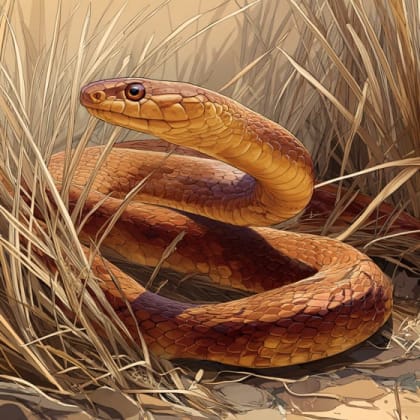
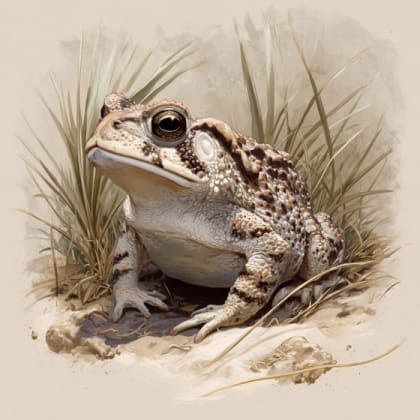
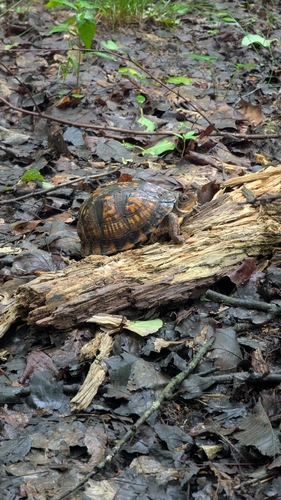
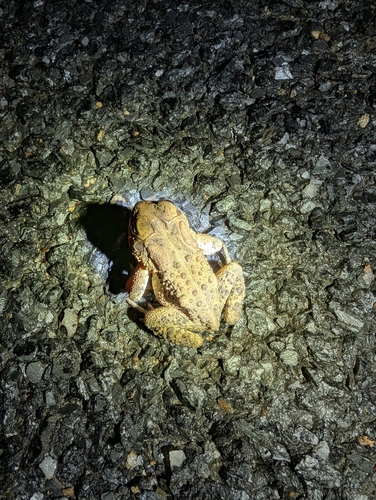
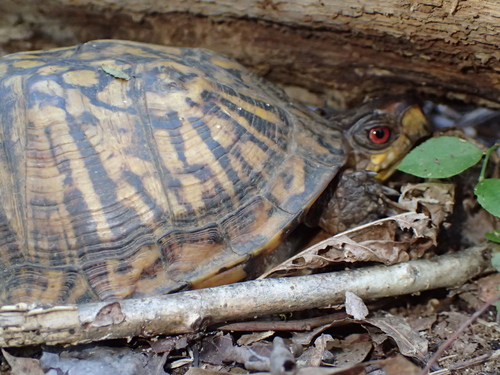
Eastern Box Turtle

Step back in time at Virginia's pioneering landmark for women's education.
Step back in time at Virginia's pioneering landmark for women's education. The Buckingham Female Collegiate Institute Historic District preserves the legacy of the first chartered college for women in Virginia, nestled in the scenic rural landscape of Gravel Hill, Buckingham County. This significant district offers a unique glimpse into 19th-century collegiate life and architectural heritage, recognized on the National Register of Historic Places since 1984.
The district encompasses a collection of well-preserved brick and wood-frame buildings that once supported this groundbreaking institution. While the main institute building was dismantled long ago, structures like the Henry James Brown House, the historic Institute Tavern, and the John S. West store/dwelling stand as tangible reminders of a pivotal era. These buildings, now private residences, showcase the architectural styles prevalent in antebellum Virginia and tell a story of a community built around the pursuit of female higher education.
Visiting the Buckingham Female Collegiate Institute Historic District is an opportunity for quiet reflection on the advancements in women's rights and education. It's a chance to connect with history in a serene setting, appreciating the enduring structures and the spirit of innovation they represent. The district invites visitors to imagine the lives of the early students and faculty who shaped this important chapter in Virginia's past, making it a memorable stop for history enthusiasts. Don't forget to bring the Snappit nature identification app along to scan local species.
The Buckingham Female Collegiate Institute holds a significant place in Virginia's educational history as the state's first chartered college for women. The idea to establish a college exclusively for women in Virginia was conceived in 1831 by Samuel Shepard and Dr. John Wesley Langhorne. They formed the "Trustees of the Female Collegiate Institute," and the college officially opened its doors in 1838, designed to accommodate up to 120 students. The institute offered a rigorous curriculum, allowing young women to earn degrees such as "Mistress of English Literature" or "Mistress of Classic Literature," a remarkable opportunity for women during that period. Support for the institution largely came from Virginia Methodists, who saw it as a female counterpart to Randolph-Macon College for men. However, the college faced financial challenges and ultimately ceased operations in 1863, a casualty of the Civil War. While the main college building was dismantled in 1906, several other structures from the Institute era survived, leading to the designation of the Buckingham Female Collegiate Institute Historic District on the National Register of Historic Places in 1984.
Drive or walk along the public roads within the district to admire the historical architecture. Interpret the historical markers that provide context about the Institute's significance.
Summer can be hot and humid in Virginia, while winters can be cold. Dress appropriately for the weather, as the experience is primarily outdoors.
The district is accessible via public roads. However, as the buildings are privately owned residences, there are no public interior access or specific accessibility features (like ramps or paved trails) designed for visitors within the properties themselves. Visitors can view the exteriors from public areas.
The primary highlight is viewing the surviving 19th-century buildings from the public right-of-way, including the Henry James Brown House, the Institute Tavern, the John S. West store/dwelling, and the Cobb-West-England House. Observe the distinct Greek Revival architectural details present on some structures. Also, seek out Brown's Chapel, which reportedly houses the original bell from the Institute.
Each card links to a full Explore page with photos, traits, and fun facts.
Start with the big picture, then zoom in to explore individual wildlife observations around this place.
Respect Private Property
Remember that all buildings in the district are private residences. Please be respectful of the residents' privacy and do not trespass.
Photography
Bring a camera to capture the charming 19th-century architecture and the serene rural setting.
Comfortable Footwear
If you plan to walk to view the buildings, wear comfortable shoes.
Historical Context
Research the history of the Buckingham Female Collegiate Institute beforehand to enhance your understanding and appreciation of the site.
Combine with Local Attractions
Consider combining your visit with other historical sites or natural attractions in Buckingham County.
May 26, 2026
Photo attribution
(c) Ben Mowbray, some rights reserved (CC BY)
License: CC BY 4.0 ↗
Image may be shown cropped inside the card frame.
Apr 26, 2026
Photo attribution
(c) James Weaver, some rights reserved (CC BY)
License: CC BY 4.0 ↗
Image may be shown cropped inside the card frame.
Apr 26, 2026
Photo attribution
(c) James Weaver, some rights reserved (CC BY)
License: CC BY 4.0 ↗
Image may be shown cropped inside the card frame.
Aug 24, 2025
Photo attribution
(c) James Weaver, some rights reserved (CC BY)
License: CC BY 4.0 ↗
Image may be shown cropped inside the card frame.
Apr 18, 2026

Maryland, US
You might spot White-Tailed Deer and Eastern Gray Squirrel.
View guide →
.jpg)
District of Columbia, US
You might spot Eastern Gray Squirrel, Duck, and House Sparrow.
View guide →

Illinois, US
You might spot American Robin, Canada Goose, and House Sparrow.
View guide →

Virginia, US
You might spot Spotted Lanternfly and Northern Cardinal.
View guide →
Take the discovery with you
Identify the wildlife you spot, learn as you go, and keep a collection of the adventure.