.jpg&width=800)





Azure-winged Magpie
Cyanopica cyanus
The Azure-winged Magpie is a beautiful bird with bright blue wings and a long tail. It loves to live in forests and is known for its playful nature and social behavior with other birds.
Habitat: Forests
The Azure-winged Magpie has striking azure-blue wings and a long tail, contrasting with its glossy black cap. Its throat and chest are a clean white, while its body is a warm grey-brown. This slender bird stands out with its vibrant blue feathers.
Category
BirdsRarity
Common
Danger
1/5 · Very low
Snaps
Be the first to snap!
Azure-winged Magpies can remember human faces, recognizing threats for many years!
Their long blue tails help them steer perfectly while flying through forests.
These smart birds often follow wild boars to find tasty insects!
They build huge group nests where several females lay eggs!
Azure-winged Magpie can raise more chicks because older siblings and other adults help feed the young.
Azure-winged Magpie has an incredible memory that helps them find buried acorns and seeds later on.
Azure-winged Magpie can warn its group of danger by using a range of complex calls to alert others.
These omnivores enjoy a mix of insects, seeds, fruits, and occasionally small vertebrates.

Accipiter nisus
A swift raptor that preys on smaller birds.

Quercus ilex
They bury and consume acorns, sometimes helping new trees grow.
Tenebrio molitor
Larvae and adult beetles are a common food source for these birds.
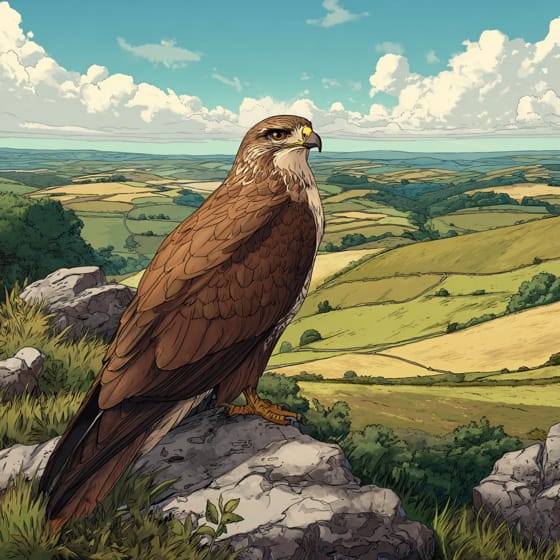
Buteo buteo
Larger birds of prey are occasional predators of magpies.
Feathered describes animals, primarily birds, possessing a covering of feathers.
Social animals live in organized groups, cooperating for survival benefits such as foraging, defense, and raising offspring.
This trait identifies organisms whose diet includes both plant and animal matter.
Singing animals produce complex vocalizations, often for purposes of attracting mates, defending territory, or communicating within their species.

Colorful describes organisms or objects displaying a wide range of bright and distinct colors.

This trait describes organisms that manipulate external objects to achieve a specific goal.

Forest habitats are terrestrial environments dominated by dense tree cover, supporting a high diversity of plant and animal life.

Diurnal animals are primarily active during daylight hours, typically resting or sleeping at night.
No aliases listed yet.
Danger
1/5 · Very low
Enjoy watching birds from a distance and don't try to touch them.
The easiest way to identify Azure-winged Magpie is to use the Snappit nature identifier app.
31-35 cm
38-45 cm
0.065-0.09 kg
8-12 years
40 km/h
These omnivores enjoy a mix of insects, seeds, fruits, and occasionally small vertebrates.
Forests
Zoom in to split clusters and explore where this object has been snapped.
Recent snaps will appear here as new observations are added.
Take the discovery with you
Snap it with Snappit to identify it, learn what makes it special, and add the discovery to your collection.




.jpg&width=800)







