





Baccharis
Baccharis
Baccharis is a fun shrub that grows in many places! It has fluffy white flowers that look like little cotton balls and can be found in fields and along roadsides.
Habitat: Grasslands
The Baccharis is typically a bushy shrub with dense green to grayish-green foliage, often having small, leathery leaves. Its late-season blooms appear as fluffy white or yellowish clusters, followed by distinctive cottony seed heads that can make the plant look like it's covered in snow.
Category
PlantsRarity
Common
Danger
1/5 · Very low
Snaps
Be the first to snap!
Baccharis seeds fly like tiny parachutes!
It's a fantastic snack for many hungry caterpillars!
Some Baccharis plants are either all boy or all girl!
You can find Baccharis growing near ocean beaches!
Baccharis has fluffy, parachute-like seeds that are carried by the wind, helping it colonize new areas quickly.
Baccharis can grow in poor, disturbed soils and tolerate drought, making it a powerful pioneer plant.
Some Baccharis species have special glands that excrete excess salt, allowing them to thrive in coastal habitats.
Apis mellifera
Gathers nectar from late-season flowers.

Odocoileus virginianus
Browses on the leaves and young stems.
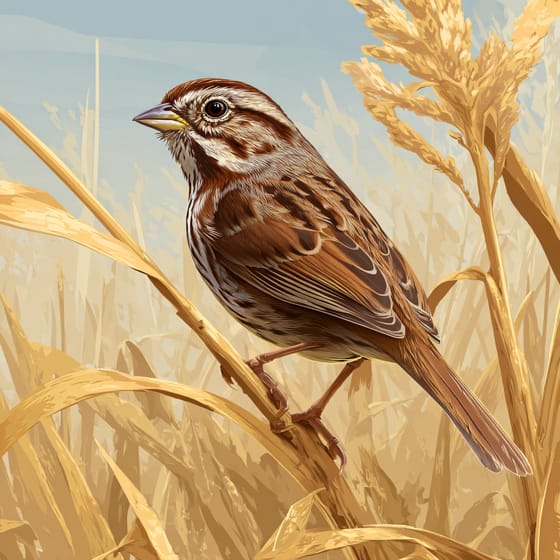
Melospiza melodia
Builds nests and hides in the dense shrubs.
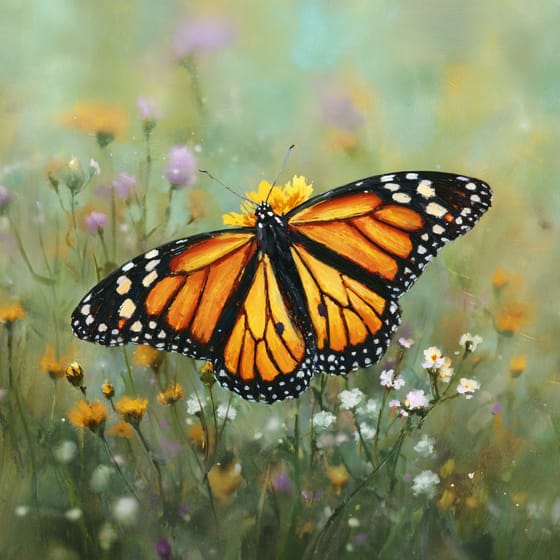
Danaus plexippus
Feeds on nectar during its fall migration.
Flowering plants are any plants that produce flowers as part of their reproductive cycle.
A shrub is a woody plant smaller than a tree, typically with multiple stems branching from or near the ground.
Summer blooming plants produce their flowers during the summer season, often providing vibrant color when many other plants have finished.
Evergreen plants retain their foliage throughout the year, never shedding all their leaves at once.

Grassland habitats are terrestrial biomes dominated by grasses and herbaceous plants, supporting a variety of grazing animals.

Describes plants that are particularly attractive and beneficial to a wide range of pollinating organisms.

Describes organisms that transfer pollen, enabling the fertilization and reproduction of plants.
No aliases listed yet.
Danger
1/5 · Very low
Always look but don't touch wild plants unless you have an adult with you.
The easiest way to identify Baccharis is to use the Snappit nature identifier app.
50-400 cm
50-300 cm
0.1-0.5 cm
Late Summer to Fall
No
Mild
Perennial
Zoom in to split clusters and explore where this object has been snapped.
Recent snaps will appear here as new observations are added.
Take the discovery with you
Snap it with Snappit to identify it, learn what makes it special, and add the discovery to your collection.








.jpg&width=800)



_001.jpg&width=800)



