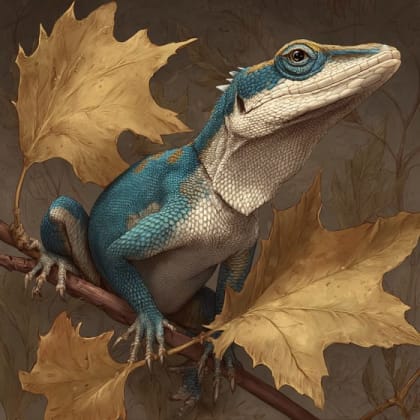
Brown Anole

The John C. Gifford Arboretum offers a serene tropical escape on the University of Miami campus.
This three-acre botanical garden serves as a vibrant living laboratory for the study and conservation of tropical plants, housing over 500 diverse species of trees and palms from around the globe. Visitors can explore 14 distinct exhibit areas, ranging from specialized botanical groupings like the Arecaceae (Palms) to thematic collections such as the intriguing Maya Cocoa Garden and a showcase of South Florida Native plants. Each specimen is thoughtfully identified with tags, many featuring QR codes for instant access to detailed information.
Wander through tranquil pathways to discover fascinating flora like the grand Bismarck palm, the delicate Chamaedorea metallica, and economically significant plants such as the African oil palm and various edible fruit trees, including Barbados cherries and coconut palms. The arboretum also boasts a charming Ylang Ylang tree, known for its fragrant blossoms. With new additions like 95 orchids, the collections are continually evolving, providing fresh discoveries with every visit.
More than just a plant collection, the John C. Gifford Arboretum is a peaceful refuge for reflection and connection with nature, inspiring a deeper appreciation for the plant world. It's a perfect destination for a leisurely stroll, a quiet picnic, or an educational exploration, offering a free and accessible green space within the bustling Coral Gables area. Whether you're a budding botanist, a casual nature lover, or simply seeking a moment of calm, this arboretum provides a memorable and enriching experience. Eager to name that creature? Identify any animal you find during your visit using the Snappit app.
The John C. Gifford Arboretum was established in 1947 by Dr. Frank J. Rimoldi and Dr. Roy Woodbury, both professors of tropical botany at the University of Miami. The initial collection began with over 350 plants donated from various local, state, and federal nurseries. In 1949, the arboretum was officially named in honor of Dr. John C. Gifford, a pioneering American forester and an expert in tropical woods who also served as a professor of tropical forestry at the University of Miami. By 1950, with the formation of the Gifford Society of Tropical Botany, the collection expanded significantly to include more than 500 plants. While the arboretum has long served as a vital resource for teaching, research, and recreation, its existence was threatened in the late 1980s by the university's need for additional parking. Through the dedicated efforts of local activist Kathy Gaubatz, the arboretum was preserved and revitalized. It has also faced the challenges of nature, notably surviving Hurricane Andrew with minimal damage, but suffering substantial losses from Hurricanes Katrina and Wilma in 2005, which destroyed nearly half its trees. These events spurred a major renovation that led to the current organization of its 14 distinct exhibit areas.
Enjoy a self-guided exploration, utilizing the interpretive signage and QR codes on plant tags to learn about the diverse flora. Guided tours and lectures are offered during the school year. The arboretum is a perfect spot for photography, relaxation, reading, or a quiet picnic amidst nature.
Due to South Florida's climate, insect repellent is highly recommended, especially during warmer months.
The arboretum features paved walkways and short, accessible trails, making it wheelchair-friendly. Well-behaved pets on a leash are welcome, with owners responsible for waste cleanup.
Explore the 14 themed exhibit areas, including the Arecaceae (Palms) collection, the South Florida Natives section, and the unique Maya Cocoa Garden. Be sure to seek out the fragrant Ylang Ylang tree and the newly added orchids.
Each card links to a full Explore page with photos, traits, and fun facts.
Start with the big picture, then zoom in to explore individual wildlife observations around this place.
Parking
During weekdays, parking is metered. However, parking is unrestricted after 6 p.m. on weekdays and all day on Saturdays and Sundays.
Insect Repellent
Especially during warmer months, bring insect repellent to ensure a comfortable visit.
Utilize QR Codes
Enhance your learning experience by scanning the QR codes found on many plant identification tags for detailed information.
Stay on Trails & Observe
Please stick to designated paths and refrain from picking plants, as some may be toxic and the arboretum is a living collection for study.
Leashed Pets Welcome
If visiting with a pet, ensure they are on a leash and always clean up any waste.
Check for Events
Consider visiting during the school year to potentially join one of the guided tours or lectures offered by the university.
Jun 6, 2026
Jun 6, 2026
Jun 6, 2026
Jun 6, 2026
Jun 6, 2026

Maryland, US
You might spot White-Tailed Deer and Eastern Gray Squirrel.
View guide →
.jpg)
District of Columbia, US
You might spot Eastern Gray Squirrel, Duck, and House Sparrow.
View guide →

Illinois, US
You might spot American Robin, Canada Goose, and House Sparrow.
View guide →

Virginia, US
You might spot Spotted Lanternfly and Northern Cardinal.
View guide →
Take the discovery with you
Identify the wildlife you spot, learn as you go, and keep a collection of the adventure.