





Banded Alder Borer
rosalia funebris
The Banded Alder Borer is a fascinating beetle that loves to munch on alder trees! Its striking blue and black stripes make it look like nature's own little superhero.
Habitat: They live in forests, especially near water sources with plenty of alder trees.
The Banded Alder Borer has a striking appearance with its black body adorned by bold, irregular white or cream-colored bands. It features very long, segmented antennae that can be longer than its body, and a somewhat flattened, elongated shape. Its coloration helps it blend with lichen-covered bark.
Category
InsectsRarity
Common
Danger
0/5 · No known danger
Snaps
3
Banded Alder Borers are vital "recyclers," breaking down dead trees to enrich the forest soil.
The bold black and white bands are thought to mimic warning colors of stinging insects to scare predators.
Their larvae can live inside dead wood for several years before transforming into adult beetles!
These beetles are also known as "longhorn beetles" because of their incredibly long antennae.
Banded Alder Borer has a black and white banded pattern that helps them blend perfectly with lichen and fungi on alder tree bark.
Banded Alder Borer larvae can bore deep tunnels into dead wood because of their strong mandibles that help them eat and shelter.
Banded Alder Borer has extremely long antennae that help them feel and smell their surroundings to find mates and suitable trees.
These beetles munch on dead or dying wood, especially alder, helping decompose it.
Age differences: Larvae feed exclusively on wood; adults may sip sap or nectar but primarily focus on reproduction.
Solitary animals live alone for most of their lives, only interacting with others for mating or parental care.
Colorful describes organisms or objects displaying a wide range of bright and distinct colors.
This trait characterizes organisms whose diet consists entirely or primarily of plant material.
Forest habitats are terrestrial environments dominated by dense tree cover, supporting a high diversity of plant and animal life.

Diurnal animals are primarily active during daylight hours, typically resting or sleeping at night.
Danger
0/5 · No known danger
No special safety notes yet.
The easiest way to identify Banded Alder Borer is to use the Snappit nature identifier app.
25-70 mm
12-38 mm
20-60 days
These beetles munch on dead or dying wood, especially alder, helping decompose it.
They live in forests, especially near water sources with plenty of alder trees.
Foraging
6
Zoom in to split clusters and explore where this object has been snapped.

California, US
You might spot Western Fence Lizard and Eastern Fox Squirrel.
View guide →

California, US
You might spot Eastern Fox Squirrel, Bee, and House Sparrow.
View guide →

California, US
You might spot Pacific Banana Slug and Ensatina.
View guide →
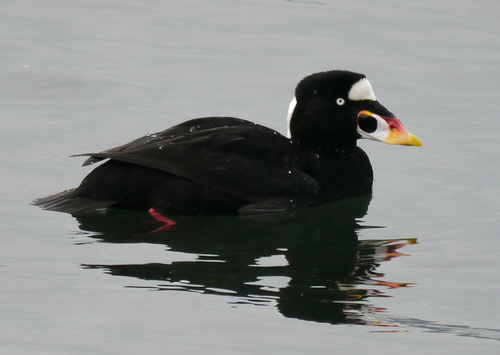
Washington, US
You might spot Surf Scoter, Eastern Cottontail, and Rugosa Rose.
View guide →
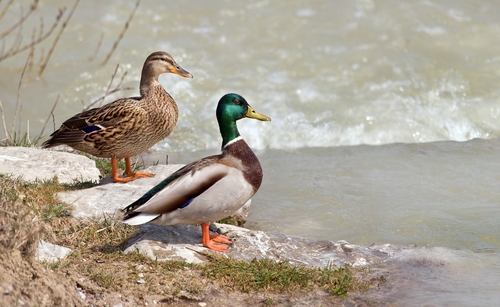
Oregon, US
You might spot Duck, Twinberry Honeysuckle, and Canada Goose.
View guide →
Take the discovery with you
Snap it with Snappit to identify it, learn what makes it special, and add the discovery to your collection.







.jpg&width=800)


