





Yellow-striped Armyworm Moth
Spodoptera ornithogalli
The Yellow-striped Armyworm Moth is a small, colorful moth with yellow stripes. It loves to flutter around gardens and fields, especially at night when it is most active.
Habitat: Urban areas, Gardens, Fields
The Yellow-striped Armyworm Moth has mottled brownish-gray forewings often marked with a distinct, oblique pale yellow or creamy stripe. Its hindwings are usually whitish with a darker outer margin, making it visually distinct from many drab brown moths.
Category
InsectsRarity
Common
Danger
1/5 · Very low
Snaps
6
Wow! Adult moths only drink sweet flower nectar and don't eat solid food!
Wow! Its fuzzy body helps it stay warm when the night air gets chilly!
Wow! The caterpillars can change color to match their food plants!
Wow! This moth has special "ears" to hear hungry bats flying nearby!
Yellow-striped Armyworm Moth can disappear against tree bark because its mottled wings perfectly mimic natural textures and colors.
Yellow-striped Armyworm Moth caterpillars can eat over 100 different plant species because of their powerful jaws that help them consume diverse vegetation.
Yellow-striped Armyworm Moth can fly and find food in darkness because it uses highly sensitive antennae to detect flower scents.
Yellow-striped Armyworm Moth caterpillars can march in large groups because this helps them find new food sources quickly and safely.
Adult moths sip flower nectar, while their caterpillars are hungry plant eaters.
Age differences: Caterpillars eat plant leaves; adults drink flower nectar.
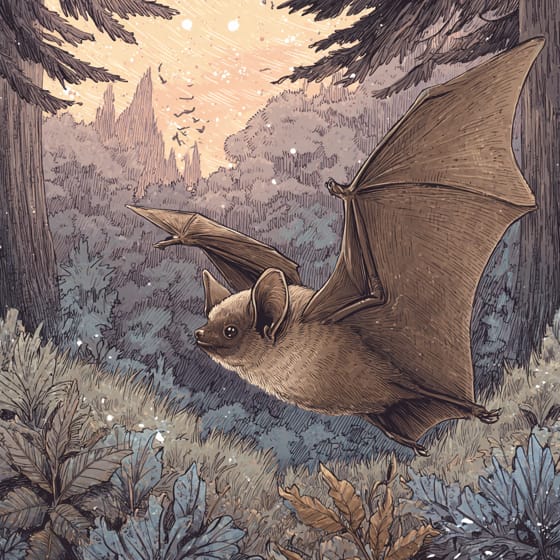
Myotis lucifugus
Hunts flying adult moths.
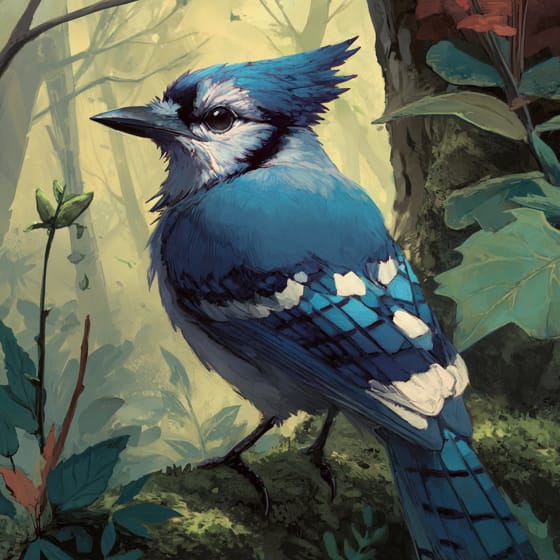
Cyanocitta cristata
Preys on caterpillars and moths.
Trichogramma pretiosum
Lays eggs inside moth eggs.
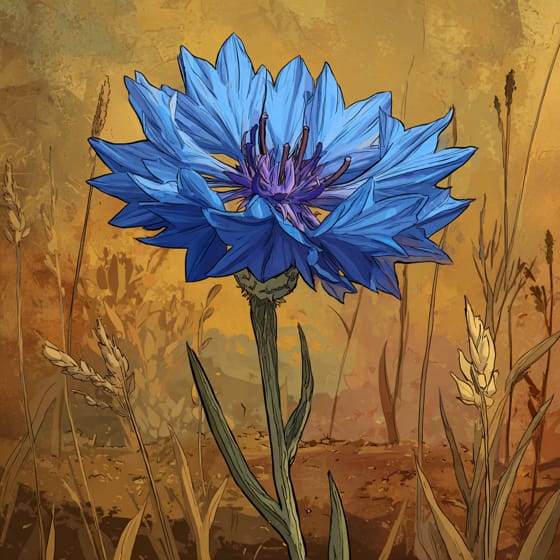
Zea mays
Caterpillars feed on its leaves.

Gossypium hirsutum
Larvae consume cotton foliage.
Marked with parallel bands or lines of color.
Solitary animals live alone for most of their lives, only interacting with others for mating or parental care.
Colorful describes organisms or objects displaying a wide range of bright and distinct colors.
Grassland habitats are terrestrial biomes dominated by grasses and herbaceous plants, supporting a variety of grazing animals.

This trait characterizes organisms whose diet consists entirely or primarily of plant material.

Describes a species whose presence and role have a disproportionately large effect on its environment.

This trait identifies organisms that exhibit exceptional swiftness in movement for hunting, escape, or travel.

This habitat trait indicates species that can coexist with humans in urban and suburban environments, utilizing man-made structures and green spaces.

Nocturnal animals are primarily active during the nighttime hours, typically resting or sleeping during the day.

Describes organisms that transfer pollen, enabling the fertilization and reproduction of plants.
No aliases listed yet.
Danger
1/5 · Very low
Always watch moths from a distance and don't touch them, as they can be delicate.
The easiest way to identify Yellow-striped Armyworm Moth is to use the Snappit nature identifier app.
30-45 mm
15-20 mm
7-14 days
12 km/h
Adult moths sip flower nectar, while their caterpillars are hungry plant eaters.
Urban areas, Gardens, Fields
Foraging
Zoom in to split clusters and explore where this object has been snapped.

Texas, US
You might spot Eastern Fox Squirrel and Great-Tailed Grackle.
View guide →

Illinois, US
You might spot Painted Turtle, Ornate Box Turtle, and Pond Slider.
View guide →

Texas, US
You might spot Reticulated Giraffe, Zebra, and White Rhinoceros.
View guide →
.jpg&width=800)
Michigan, US
You might spot Reticulated Giraffe, Red Panda, and Snow Leopard.
View guide →

Kansas, US
You might spot Panthera Pardus Orientalis, Snow Leopard, and African Lion.
View guide →

Texas, US
You might spot Antelopehorn Milkweed and Lindheimer's Senna.
View guide →
Take the discovery with you
Snap it with Snappit to identify it, learn what makes it special, and add the discovery to your collection.







.jpg&width=800)


