-2.jpg&width=800)





Sedge Warbler
Acrocephalus schoenobaenus
The Sedge Warbler is a small, lively bird that loves to sing! It has a beautiful, cheerful song and can be found hopping around in tall grass and reeds near water.
Habitat: Wetlands
The Sedge Warbler is a small, streaky brown bird with a prominent pale stripe above its eye (supercilium) and a yellowish-buff underside. Its dark cap contrasts with this stripe, making it distinct among waterside vegetation.
Category
BirdsRarity
Common
Danger
1/5 · Very low
Snaps
Be the first to snap!
Each Sedge Warbler's song is unique, like its very own musical fingerprint!
Male Sedge Warblers can sing continuously all night long to find a partner.
Sedge Warblers often double their weight before flying thousands of miles!
These birds migrate at night, using the stars to guide them across continents.
Sedge Warbler can weave calls of other birds into its complex song, which helps it attract mates.
Sedge Warbler can fly thousands of kilometers, crossing deserts and seas, due to its efficient flight.
Sedge Warbler has streaky brown plumage that helps it blend perfectly into marshy reeds, hiding from predators.
This little bird loves to munch on small insects like flies and beetles, found in watery places.

Accipiter nisus
A common avian predator in its breeding range.
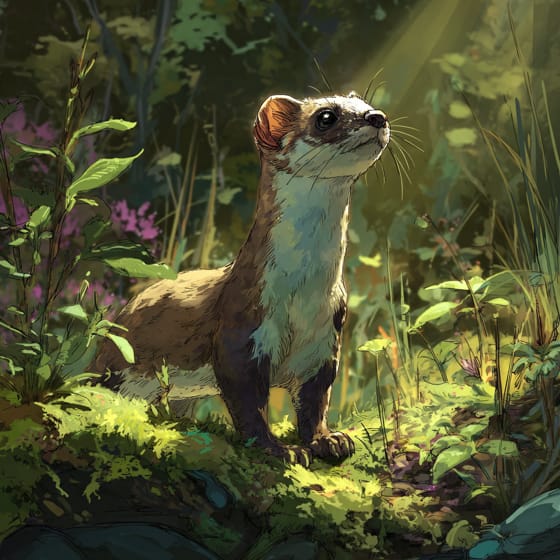
Mustela erminea
A ground predator that can raid nests and catch adults.
Musca domestica
Feeds on various small insects, including flies.

Phragmites australis
Relies on dense reeds for nesting and shelter.
Feathered describes animals, primarily birds, possessing a covering of feathers.
Social animals live in organized groups, cooperating for survival benefits such as foraging, defense, and raising offspring.
Singing animals produce complex vocalizations, often for purposes of attracting mates, defending territory, or communicating within their species.
Camouflaged describes organisms that possess coloring or patterns that allow them to blend into their environment.

This trait identifies organisms whose diet primarily consists of insects and other small invertebrates.

This habitat trait identifies species found in wetlands, which are areas of land saturated with water, either permanently or seasonally, including marshes, swamps, and bogs.

Migratory animals undertake seasonal movements from one region to another, typically in response to changes in climate or food availability.
No aliases listed yet.
Danger
1/5 · Very low
Always observe birds from a distance and be quiet so you don't scare them away.
The easiest way to identify Sedge Warbler is to use the Snappit nature identifier app.
11.5-13.5 cm
17-21 cm
0.008-0.017 kg
2-5 years
35 km/h
This little bird loves to munch on small insects like flies and beetles, found in watery places.
Wetlands
Zoom in to split clusters and explore where this object has been snapped.
Recent snaps will appear here as new observations are added.
Take the discovery with you
Snap it with Snappit to identify it, learn what makes it special, and add the discovery to your collection.




.jpg&width=800)









