_RWD2.jpg&width=800)





White Ibis
Eudocimus albus
The White Ibis is a beautiful bird with long legs and a curved beak. They love to wade in shallow waters looking for tasty food like fish and insects.
Habitat: Wetlands
The White Ibis is a medium-sized wading bird with brilliant white plumage. It has striking reddish-pink legs and a bare, red face. Its most distinguishing feature is a long, decurved, salmon-pink bill, which darkens at the tip.
Category
BirdsRarity
Common
Danger
1/5 · Very low
Snaps
65
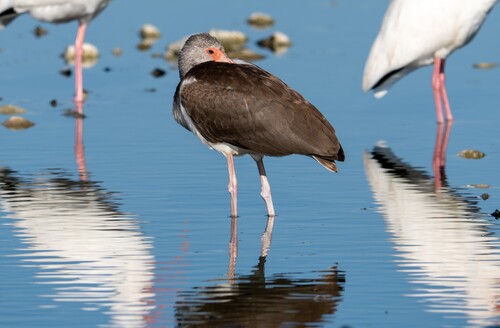
Baby ibises are brown and only turn white after about two years.
Sometimes, White Ibises will steal food right from pelicans' mouths!
Their red face and legs become extra bright during breeding season!
They are sometimes called "Chokoloskee Chicken" in parts of Florida!
White Ibis has a long, curved bill that helps them probe deep into mud and soft soil to find hidden prey.
White Ibis can wade skillfully in shallow waters because of its long legs, allowing it to hunt in muddy habitats.
White Ibises often feed in groups, which helps them detect predators faster and disturb more prey.
White Ibises love to eat small creatures hiding in the mud and shallow water.
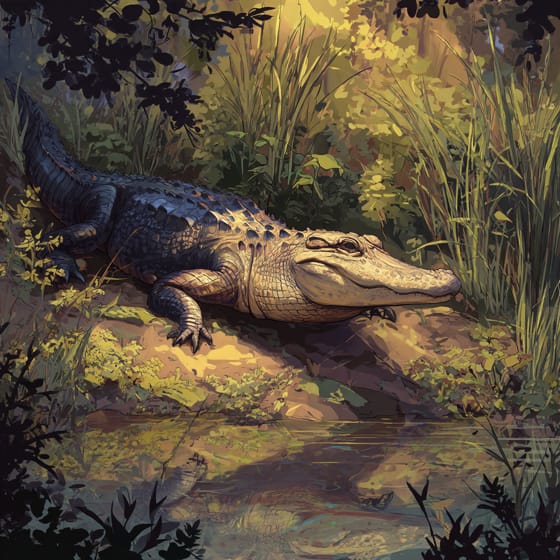
Alligator mississippiensis
Adults and eggs are sometimes preyed upon by alligators.

Procyon lotor
Raccoons often raid ibis nests for eggs and chicks.
Procambarus clarkii
Ibises use their long bills to find and eat crayfish.
Gambusia holbrooki
They forage for small fish like mosquitofish in shallow waters.
Feathered describes animals, primarily birds, possessing a covering of feathers.
Social animals live in organized groups, cooperating for survival benefits such as foraging, defense, and raising offspring.
Filter feeders obtain nutrients by straining suspended food particles and small organisms from water.
This trait identifies organisms whose diet primarily consists of insects and other small invertebrates.

Piscivorous organisms are animals that primarily subsist on a diet of fish.

This habitat trait identifies species found in wetlands, which are areas of land saturated with water, either permanently or seasonally, including marshes, swamps, and bogs.

Diurnal animals are primarily active during daylight hours, typically resting or sleeping at night.
No aliases listed yet.
Danger
1/5 · Very low
Always watch birds from a distance and don't try to touch them.
The easiest way to identify White Ibis is to use the Snappit nature identifier app.
56-71 cm
90-105 cm
0.73-1.05 kg
15-20 years
50 km/h
White Ibises love to eat small creatures hiding in the mud and shallow water.
Wetlands
Zoom in to split clusters and explore where this object has been snapped.
Jun 7, 2026
Ocean City Residential Historic DistrictPhoto attribution
(c) GobyHunter, some rights reserved (CC BY)
License: CC BY 4.0 ↗
Image may be shown cropped inside the card frame.
Jun 5, 2026
Collins Waterfront Architectural DistrictPhoto attribution
no rights reserved
License: CC0 1.0 ↗
Image may be shown cropped inside the card frame.
Dec 9, 2025
Crowley Historic DistrictPhoto attribution
(c) Brandon Johnson, some rights reserved (CC BY)
License: CC BY 4.0 ↗
Image may be shown cropped inside the card frame.

South Carolina, US
You might spot American Alligator, Anole, and Great Blue Heron.
View guide →

Louisiana, US
You might spot Brown Anole, White Ibis, and Duck.
View guide →

Georgia, US
You might spot Brown Anole, Anole, and Gulf Fritillary.
View guide →

US
You might spot Wharf Louse, Osprey, and Ruddy Turnstone.
View guide →

US
You might spot Firewheel, Domestic Horse, and Atlantic Horseshoe Crab.
View guide →

Alabama, US
You might spot Anole, Eastern Box Turtle, and Resurrection Fern.
View guide →
Take the discovery with you
Snap it with Snappit to identify it, learn what makes it special, and add the discovery to your collection.





.jpg&width=800)









