





Barbary Macaque
Macaca sylvanus
The Barbary Macaque is a playful monkey with a fluffy coat and a friendly face. They love to climb trees and play with their friends in the wild!
Habitat: Forests
The Barbary Macaque has thick, yellowish-brown fur covering its body, often appearing grizzled, with a paler underside. It features a distinctive short, stumpy tail and a dark, hairless face with prominent brow ridges. Their robust build helps them navigate rocky mountain terrain.
Category
MammalsRarity
Common
Danger
3/5 · Moderate
Snaps
Be the first to snap!
Barbary Macaques have a surprising love for playing in the snow!
Males often "babysit" other males' infants to build trust and friendships.
Their cheek pouches can store lots of food for later snacks!
They are the only wild monkeys living free in Europe, on Gibraltar!
Barbary Macaque has complex social structures that help them cooperate to find food and raise young effectively.
Barbary Macaque possesses thick fur that helps them survive cold mountain winters, unique among macaques.
Barbary Macaque can forage widely, using their keen senses to locate varied plant matter and insects across different terrains.
These clever monkeys are omnivores, eating almost anything from plants to insects they find!
Canis aureus
A potential predator, especially for young macaques.
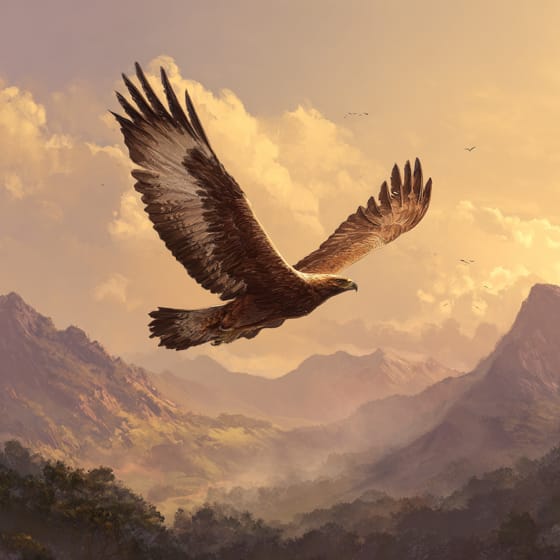
Aquila chrysaetos
Young macaques are occasionally prey for these raptors.
Cedrus atlantica
Relies on these trees for shelter, food, and habitat.
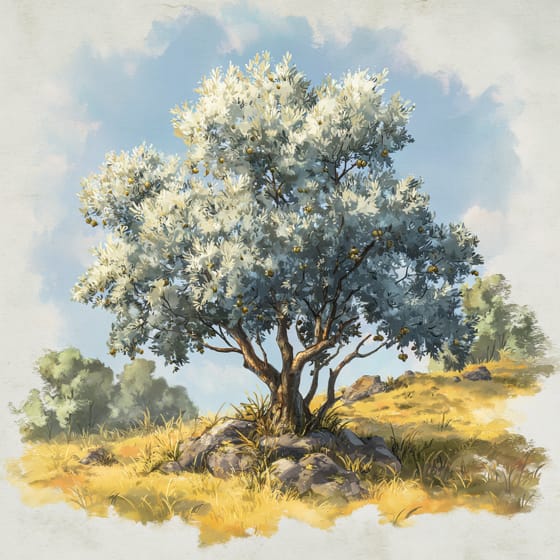
Olea europaea
Consumes fruits and leaves from wild olive trees.
Furry describes animals possessing a dense covering of soft hair or fur.
Social animals live in organized groups, cooperating for survival benefits such as foraging, defense, and raising offspring.
This trait identifies organisms whose diet includes both plant and animal matter.
This trait describes organisms that manipulate external objects to achieve a specific goal.

Forest habitats are terrestrial environments dominated by dense tree cover, supporting a high diversity of plant and animal life.

Diurnal animals are primarily active during daylight hours, typically resting or sleeping at night.

Endangered status indicates a species is at a very high risk of extinction in the wild in the near future.
Danger
3/5 · Moderate
Always watch from a distance and never try to feed wild monkeys.
The easiest way to identify Barbary Macaque is to use the Snappit nature identifier app.
55-70 cm
10-15 kg
20-25 years
25 km/h
These clever monkeys are omnivores, eating almost anything from plants to insects they find!
Forests
Foraging
Zoom in to split clusters and explore where this object has been snapped.
Recent snaps will appear here as new observations are added.

England, UK
You might spot African Lion, Tiger, and Southern White Rhinoceros.
View guide →

Nevada, US
You might spot Barbary Macaque, Chimpanzee, and African Lion.
View guide →

Gibraltar, GI
You might spot Parakeet, Tortoises, and Guinea Pig.
View guide →

England, UK
You might spot Barbary Macaque, Macaques, and Honeyguide.
View guide →
Take the discovery with you
Snap it with Snappit to identify it, learn what makes it special, and add the discovery to your collection.




.jpg&width=800)

.JPG&width=800)



.jpg&width=800)
