





Zapus
Zapus
Zapus is a small, jumping mammal that loves to hop around in grassy areas. They have long back legs and a cute little tail, making them great jumpers!
Habitat: Grasslands
The Zapus has soft, yellow-brown fur on its back, a distinct darker stripe down its spine, and a pale belly. It possesses very large hind feet for jumping and an incredibly long, thin tail, often twice its body length, used for balance.
Category
MammalsRarity
Common
Danger
1/5 · Very low
Snaps
Be the first to snap!
Jumping mice are champion hibernators, sometimes sleeping for more than half a year without eating!
These tiny rodents build cozy nests underground or in thick grass, lined with soft plant materials.
They don't just walk! Zapus can hop like a tiny kangaroo, using their big back feet for amazing bounds.
Zapus's super-long tail can be twice as long as its body, helping it steer and balance during epic jumps.
Zapus can jump up to 3 meters because of its powerful hind legs and long tail, which helps them escape predators quickly.
Zapus has the ability to hibernate for up to six months, saving energy and surviving harsh winters by lowering body temperature.
Zapus can balance perfectly during amazing leaps thanks to its extra-long tail that acts like a counterweight, helping them land safely.
Zapus enjoys a meal of tiny seeds, yummy fungi, sweet berries, and crunchy insects.
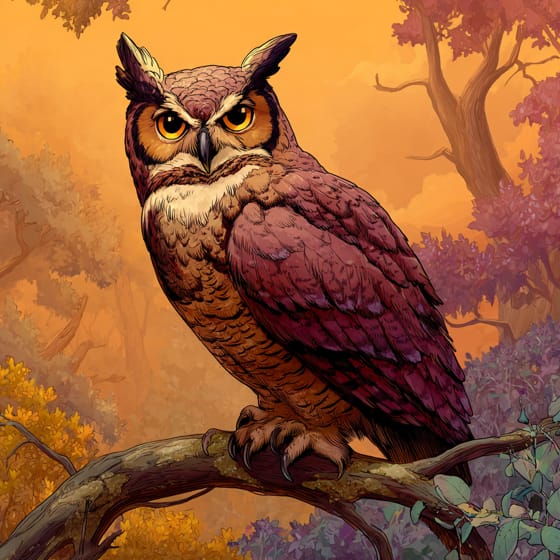
Bubo virginianus
A common nocturnal predator of small mammals.

Mustela frenata
A swift predator that hunts rodents in their habitat.
_Clock_-_Tennessee%2C_USA_-_May_31%2C_2014.jpg&width=800)
Taraxacum officinale
Consumes the seeds, a common food source in their habitat.
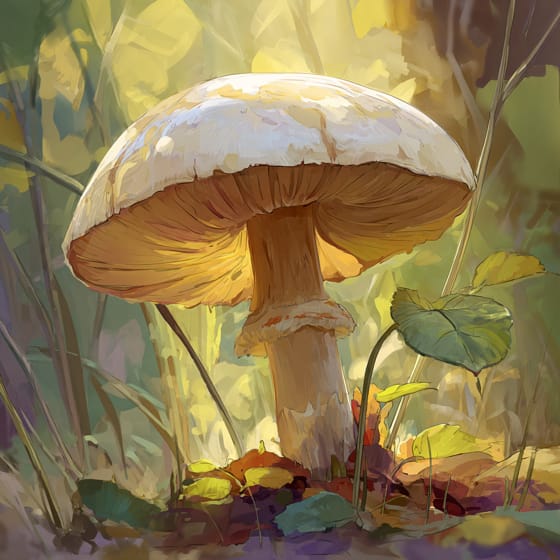
Agaricus bisporus
Feeds on various fungi found on the forest floor.
Furry describes animals possessing a dense covering of soft hair or fur.
Solitary animals live alone for most of their lives, only interacting with others for mating or parental care.
Grassland habitats are terrestrial biomes dominated by grasses and herbaceous plants, supporting a variety of grazing animals.
This trait characterizes organisms whose diet consists entirely or primarily of plant material.

This trait identifies organisms that exhibit exceptional swiftness in movement for hunting, escape, or travel.

Nocturnal animals are primarily active during the nighttime hours, typically resting or sleeping during the day.
No aliases listed yet.
Danger
1/5 · Very low
If you see a Zapus, watch quietly and don't try to catch it. They are shy and like to hop away!
The easiest way to identify Zapus is to use the Snappit nature identifier app.
7-10 cm
0.013-0.027 kg
1-3 years
8 km/h
Zapus enjoys a meal of tiny seeds, yummy fungi, sweet berries, and crunchy insects.
Grasslands
Foraging
Zoom in to split clusters and explore where this object has been snapped.
Recent snaps will appear here as new observations are added.
Take the discovery with you
Snap it with Snappit to identify it, learn what makes it special, and add the discovery to your collection.




.jpg&width=800)



.JPG&width=800)

.jpg&width=800)
