




Southern Flying Squirrel
Glaucomys volans
The Southern Flying Squirrel is a small, cute animal that glides through the trees. With its big eyes and fluffy tail, it loves to play and explore at night!
Habitat: Forests
The Southern Flying Squirrel has soft, dense fur that is brownish-grey on its back and sides, contrasting with a pure white belly. It features large, dark eyes for nocturnal vision and a flattened, bushy tail. A distinct loose flap of skin, called a patagium, extends between its front and hind limbs.
Category
MammalsRarity
Common
Danger
1/5 · Very low
Snaps
1
Southern Flying Squirrels sometimes eat birds' eggs or even baby birds for protein!
These tiny gliders steer themselves by moving their wrists and ankles while airborne!
They huddle together in tree holes during winter to stay warm, sometimes 20 squirrels!
They use their bushy tail like a parachute or rudder for incredible mid-air control!
Southern Flying Squirrels can glide gracefully between trees thanks to a special skin membrane, allowing agile, controlled flight.
It has large, dark eyes that collect maximum light, helping it navigate and find food easily in the dark of night.
Southern Flying Squirrels are incredibly nimble climbers, able to cling to bark and make quick maneuvers in the forest canopy.
An omnivore, it enjoys nuts, seeds, fruits, and even insects.
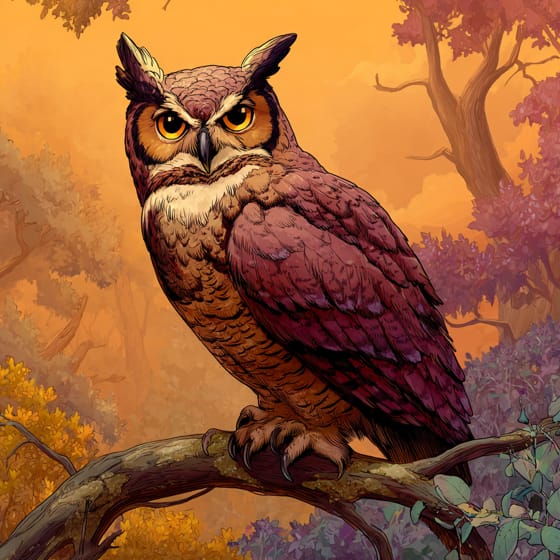
Bubo virginianus
A frequent nocturnal predator of flying squirrels.
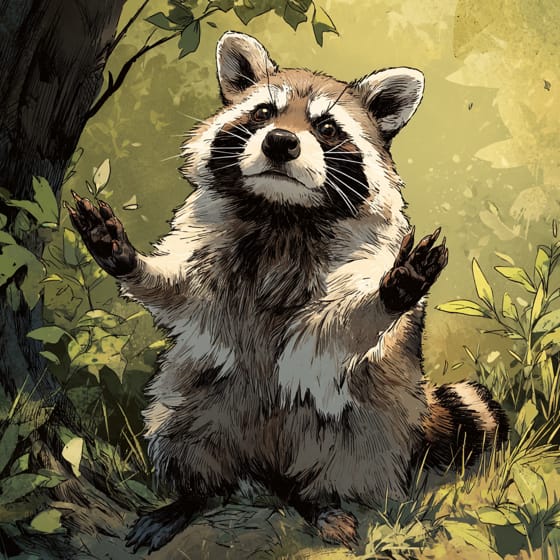
Procyon lotor
Nocturnal predator that raids nests in tree cavities.
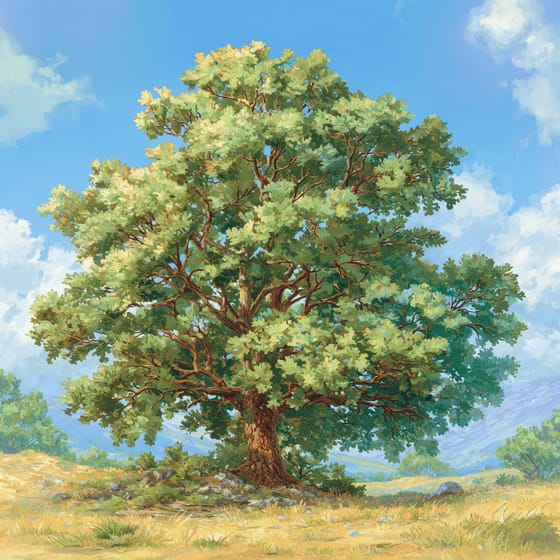
Quercus alba
Relies on acorns from oak trees as a major food source.
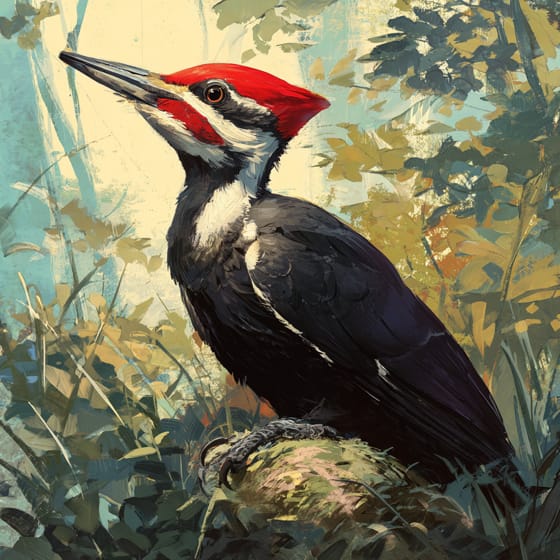
Dryocopus pileatus
Often uses abandoned woodpecker holes for nesting and shelter.
Furry describes animals possessing a dense covering of soft hair or fur.
Social animals live in organized groups, cooperating for survival benefits such as foraging, defense, and raising offspring.
Gliding animals move through the air by launching themselves and maintaining flight with specialized body structures, without flapping wings.
This trait characterizes organisms whose diet consists entirely or primarily of plant material.

Forest habitats are terrestrial environments dominated by dense tree cover, supporting a high diversity of plant and animal life.

Nocturnal animals are primarily active during the nighttime hours, typically resting or sleeping during the day.
No aliases listed yet.
Danger
1/5 · Very low
If you see a flying squirrel, watch quietly from a distance. They are shy and like to be left alone.
The easiest way to identify Southern Flying Squirrel is to use the Snappit nature identifier app.
21-26 cm
20-25 cm
0.05-0.08 kg
3-6 years
40 km/h
An omnivore, it enjoys nuts, seeds, fruits, and even insects.
Forests
Zoom in to split clusters and explore where this object has been snapped.
Take the discovery with you
Snap it with Snappit to identify it, learn what makes it special, and add the discovery to your collection.





.jpg&width=800)


.JPG&width=800)


.jpg&width=800)
