




Barestem Biscuitroot
Lomatium nudicaule
Barestem Biscuitroot is a special plant with bright yellow flowers that look like little stars. It grows in the wild and is a favorite snack for some animals. Its roots are tasty and can be eaten by people too!
Habitat: Grasslands
The Barestem Biscuitroot has striking yellow-green to bright yellow flower clusters, called umbels, that often appear on tall, leafless stalks before its fern-like basal leaves fully emerge. Its unique bare stems and broad, flattened seed pods make it stand out against rocky or dry landscapes.
Category
PlantsRarity
Common
Danger
1/5 · Very low
Snaps
Be the first to snap!
Indigenous peoples traditionally harvested and cooked the starchy roots for food.
Its unique name "Biscuitroot" comes from its roots being dried and ground into flour!
Sometimes, its yellow flowers are among the very first splashes of color in springtime.
The wide, flat seeds can float on wind, carrying them far to start new plants.
Barestem Biscuitroot has a thick taproot that dives deep into the soil to find water, helping it survive in dry, arid places.
This plant can bloom very early in spring, giving it a head start on pollination before many other plants emerge.
Barestem Biscuitroot stores energy in its large, edible taproot, allowing it to regrow quickly after dry periods or grazing.
Andrena candida
Visits early spring flowers for nectar and pollen.
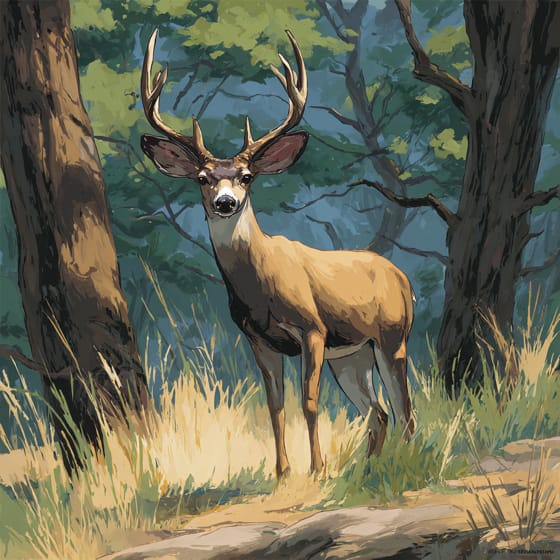
Odocoileus hemionus
Browses on the leaves and sometimes the flower heads.
_(6974266104).jpg&width=800)
Papilio zelicaon
Caterpillars feed on the leaves of this plant.

Thomomys bottae
Digs up and consumes the starchy taproots.
Aromatic plants produce and emit fragrant volatile organic compounds, often for defense or to attract pollinators.
Flowering plants are any plants that produce flowers as part of their reproductive cycle.
Describes organisms capable of converting atmospheric nitrogen into compounds usable by plants.
Spring blooming plants produce their flowers during the spring season, often signifying the end of winter and the start of new growth.

Edible plants are those parts of a plant that are considered safe for human consumption.

Grassland habitats are terrestrial biomes dominated by grasses and herbaceous plants, supporting a variety of grazing animals.

Describes plants that are particularly attractive and beneficial to a wide range of pollinating organisms.
No aliases listed yet.
Danger
1/5 · Very low
Always ask an adult before touching or tasting any wild plants.
The easiest way to identify Barestem Biscuitroot is to use the Snappit nature identifier app.
30-80 cm
20-40 cm
0.1-0.2 cm
Spring
Yes
None
Perennial
Zoom in to split clusters and explore where this object has been snapped.
Recent snaps will appear here as new observations are added.
Take the discovery with you
Snap it with Snappit to identify it, learn what makes it special, and add the discovery to your collection.








.jpg&width=800)



_001.jpg&width=800)



