





Bark Anole
Anolis distichus
The Bark Anole is a small lizard that loves to climb trees and hide in the bark. They can change color to blend in with their surroundings, making them great at hiding from predators!
Habitat: Forests
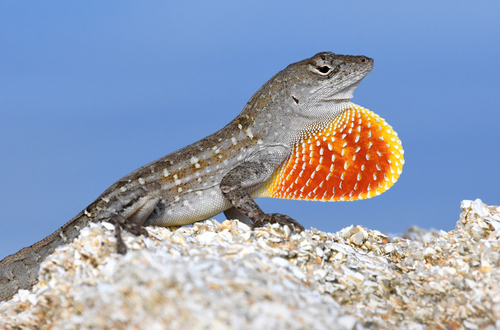
The Bark Anole is a small lizard with rough, textured skin, usually mottled brown or gray, allowing it to blend perfectly with tree bark. Some have a lighter stripe down their back. Males display a prominent, brightly colored throat dewlap, often yellow or orange.
Category
ReptilesRarity
Common
Danger
1/5 · Very low
Snaps
4
Bark Anoles can move each eye independently, giving them a super wide view all around!
Despite their small size, male Bark Anoles fiercely defend their tiny patch of tree trunk territory.
If caught by a predator, a Bark Anole can drop its tail to escape, and it will grow back!
These lizards communicate by doing head bobs and push-ups, sending secret messages to each other.
Bark Anole can change its skin color from light to dark brown because of specialized cells, helping them disappear against tree bark.
Bark Anole has tiny lamellae on its toes that help them cling to smooth surfaces like glass, making them amazing climbers.
Bark Anole can extend a colorful throat dewlap to attract mates or warn off rivals, making it look bigger and bolder.
Bark Anoles are tiny hunters who love to eat all sorts of small insects and other invertebrates.
Coluber constrictor
A common snake predator in their range.
Anolis carolinensis
Competes for similar insect prey and basking spots.
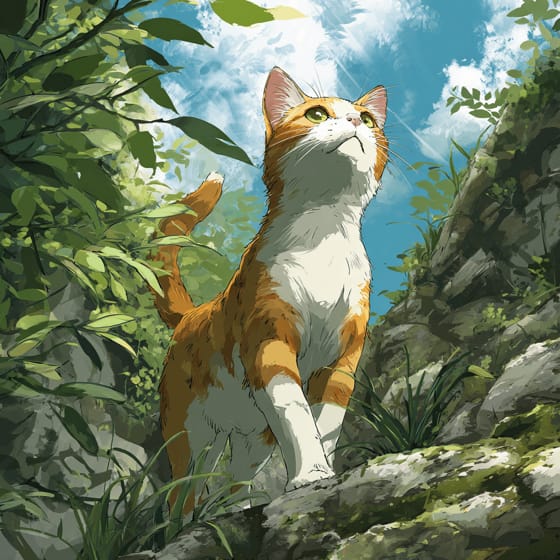
Felis catus
Introduced predator that hunts small lizards.
Arboreal animals live primarily in trees, utilizing them for shelter, food, and protection from predators.
Camouflaged describes organisms that possess coloring or patterns that allow them to blend into their environment.
Colorful describes organisms or objects displaying a wide range of bright and distinct colors.
This trait identifies organisms whose diet primarily consists of insects and other small invertebrates.

Forest habitats are terrestrial environments dominated by dense tree cover, supporting a high diversity of plant and animal life.

Diurnal animals are primarily active during daylight hours, typically resting or sleeping at night.

This trait identifies organisms that exhibit exceptional swiftness in movement for hunting, escape, or travel.
No aliases listed yet.
Danger
1/5 · Very low
Always watch lizards from a distance and don't try to catch them.
The easiest way to identify Bark Anole is to use the Snappit nature identifier app.
12-20 cm
0.002-0.005 kg
2-5 years
Bark Anoles are tiny hunters who love to eat all sorts of small insects and other invertebrates.
Forests
Ambush
1-2
Zoom in to split clusters and explore where this object has been snapped.

Florida, US
You might spot Crested Anole, Brown Anole, and Green Iguana.
View guide →

Florida, US
You might spot Pond Slider, Brown Anole, and Atala.
View guide →

Florida, US
You might spot Crested Anole, Brown Anole, and Green Iguana.
View guide →

US
You might spot Brown Anole and Green Iguana.
View guide →

Florida, US
You might spot Crested Anole, Brown Anole, and Peters's Rock Agama.
View guide →
Florida, US
You might spot Brown Anole, Shiny-Leaved Wild Coffee, and Firebush.
View guide →
Take the discovery with you
Snap it with Snappit to identify it, learn what makes it special, and add the discovery to your collection.











