





barnyardgrass
Echinochloa crus-galli
Barnyardgrass is a tall, green plant that grows in fields and gardens. It has long leaves and can spread quickly, making it a common sight in many places.
Habitat: Fields and gardens
The barnyardgrass has upright, flat green leaves and dense, branching seed heads that can often be tinged purple or brown. Its distinctive rough, spiky awns on the seeds help distinguish it from similar grasses, lacking the ligule found on many other grasses.
Category
PlantsRarity
Common
Danger
1/5 · Very low
Snaps
Be the first to snap!
Barnyardgrass can grow in rice paddies, often mimicking young rice plants to hide!
Barnyardgrass seeds were once gathered and eaten by ancient people like a wild grain!
It can produce over 40,000 seeds from just one plant in a single growing season!
Its name comes from its spiky seeds, which resemble a rooster's spur or tail!
Barnyardgrass can grow extremely fast, quickly outcompeting other plants for sunlight and nutrients in various environments.
Barnyardgrass has seeds that can stay dormant in the soil for years, waiting for perfect conditions to germinate and grow.
Barnyardgrass can thrive in flooded fields and wetlands, adapting to environments where many other plants struggle to survive.
Barnyardgrass uses C4 photosynthesis, an efficient process that helps it grow rapidly in hot, sunny conditions.
Anas platyrhynchos
Eats its abundant seeds.
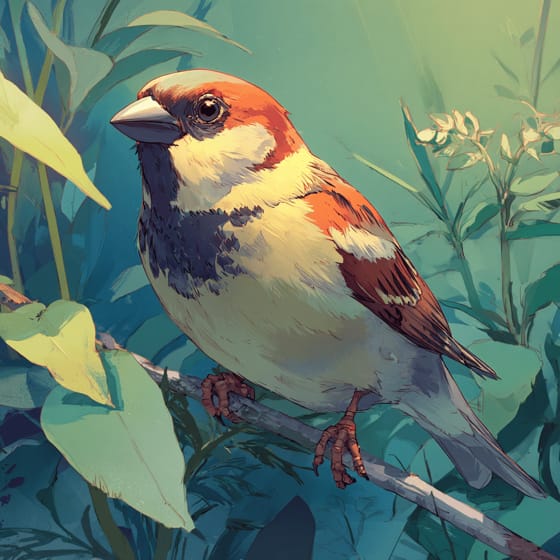
Passer domesticus
Feeds on its nutritious seeds.
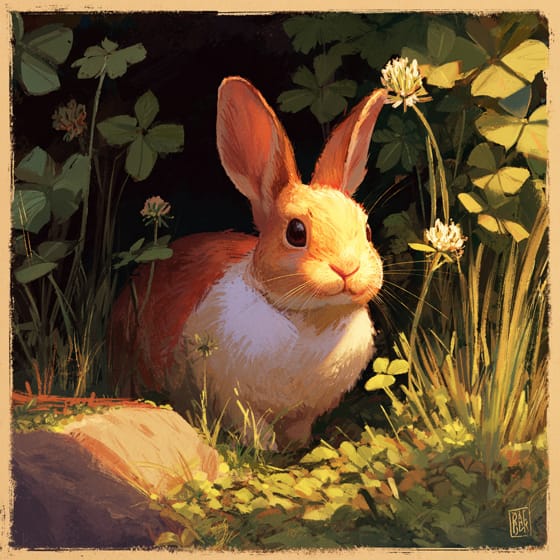
Oryctolagus cuniculus
Graze on young shoots and leaves.
Grass-like plants are herbaceous plants that visually resemble true grasses, typically having long, narrow leaves.
This human use trait describes species cultivated or domesticated by humans for agricultural purposes, including crops and livestock.
Edible plants are those parts of a plant that are considered safe for human consumption.
Grassland habitats are terrestrial biomes dominated by grasses and herbaceous plants, supporting a variety of grazing animals.

Describes plants that are particularly attractive and beneficial to a wide range of pollinating organisms.

Rapid growing plants exhibit accelerated growth rates, quickly increasing in size and biomass within a short period.

This habitat trait indicates species that can coexist with humans in urban and suburban environments, utilizing man-made structures and green spaces.

Invasive species are non-native organisms that cause harm to the environment, economy, or human health.
No aliases listed yet.
Danger
1/5 · Very low
Always be careful when walking through tall grass, as you might find bugs or other plants.
The easiest way to identify barnyardgrass is to use the Snappit nature identifier app.
30-150 cm
30-60 cm
Summer
Yes
None
Annual
Wind
Zoom in to split clusters and explore where this object has been snapped.
Recent snaps will appear here as new observations are added.
Take the discovery with you
Snap it with Snappit to identify it, learn what makes it special, and add the discovery to your collection.









.jpg&width=800)


_001.jpg&width=800)



