




Beach-creeper
Ernodea littoralis
Beach-creepers are special plants that grow along sandy shores. They help keep the sand in place and are great at surviving in salty air and sand.
Habitat: Coastal areas
The Beach-creeper is a low-growing, mat-forming woody shrub with small, oval, fleshy bright green leaves. It produces tiny, star-shaped greenish-white flowers that develop into distinctive bright orange-red berries, making it stand out on sandy shores.
Category
PlantsRarity
Common
Danger
1/5 · Very low
Snaps
Be the first to snap!
Even though it's called a 'creeper,' it's actually a sturdy woody shrub, not a vine!
Its berries, while tasty for birds, change color like a tiny traffic light from green to bright red!
Its stems are so tough, they can survive being partly buried by shifting sands!
The Beach-creeper is a master of camouflage; its tiny flowers often blend right into the leaves!
Beach-creeper has succulent, tough leaves that help it store water and withstand salty sea spray, surviving where other plants can't.
Beach-creeper can grow extensive, deep root systems that help it stabilize loose sand and prevent erosion on windy beaches.
Beach-creeper produces bright orange-red berries that help it attract birds, which then disperse its seeds to new locations.
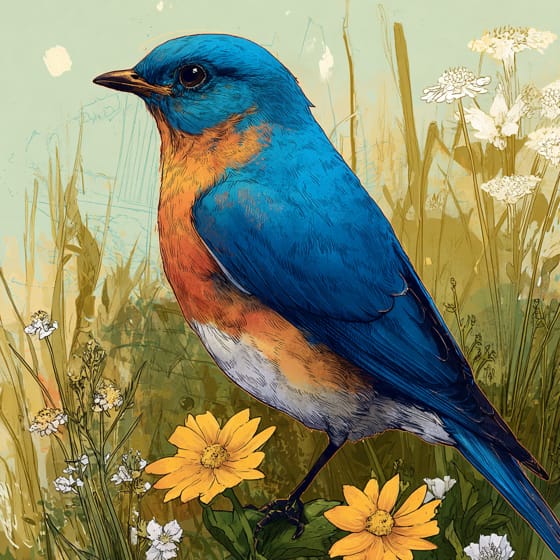
Sialia sialis
consumes its bright berries
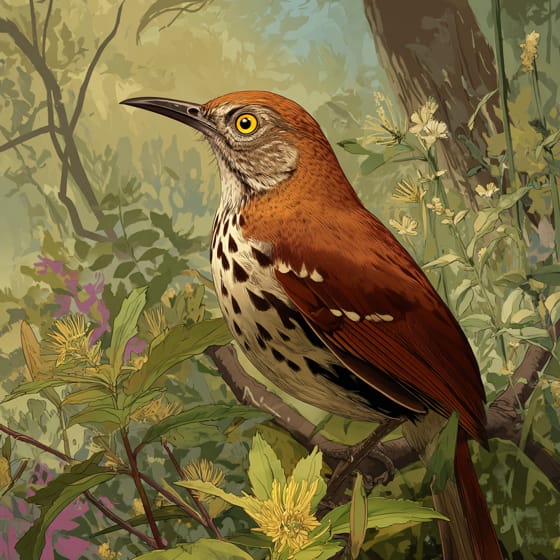
Toxostoma rufum
feeds on the fleshy fruits
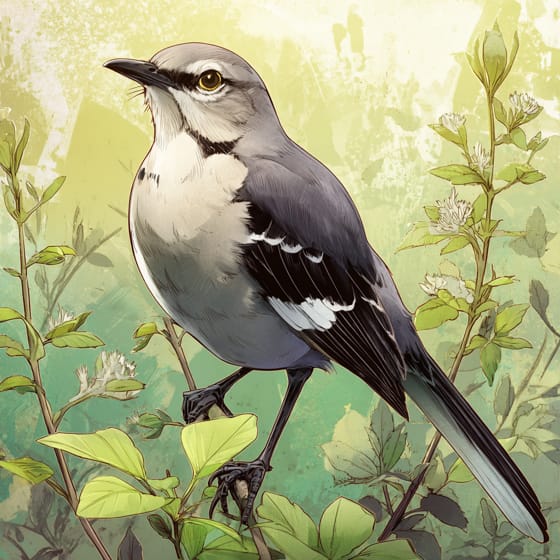
Mimus polyglottos
enjoys the small, colorful berries
Apis mellifera
visits its tiny flowers
Flowering plants are any plants that produce flowers as part of their reproductive cycle.
Grass-like plants are herbaceous plants that visually resemble true grasses, typically having long, narrow leaves.
Evergreen plants retain their foliage throughout the year, never shedding all their leaves at once.
Salt tolerant plants can withstand and grow in conditions with elevated salinity levels in the soil or water.

This trait characterizes organisms with an exceptionally long lifespan compared to others of their kind.

Coastal habitats are dynamic environments located along the interface between land and sea, influenced by tides, waves, and saltwater.

Describes a species whose presence and role have a disproportionately large effect on its environment.
No aliases listed yet.
Danger
1/5 · Very low
Always stay on paths when exploring beaches to protect plants like beach-creepers.
The easiest way to identify Beach-creeper is to use the Snappit nature identifier app.
30-60 cm
100-300 cm
0.3-0.5 cm
Year-round
No
None
Perennial
Zoom in to split clusters and explore where this object has been snapped.
Recent snaps will appear here as new observations are added.
Take the discovery with you
Snap it with Snappit to identify it, learn what makes it special, and add the discovery to your collection.









.jpg&width=800)



_001.jpg&width=800)


