




beach-head iris
Iris hookeri
The beach-head iris is a beautiful flower that grows in sandy areas near the coast. Its bright purple petals can make any beach look more colorful and cheerful!
Habitat: Coastal areas
The beach-head iris has striking purple-blue flowers with white or yellow markings on its lower petals, called 'falls.' Its sword-like, grey-green leaves stand upright, forming a compact clump.
Category
PlantsRarity
Common
Danger
1/5 · Very low
Snaps
3
Irises are named after the Greek goddess of the rainbow!
Its petals are like landing strips for busy bees!
Its seeds can float on ocean currents to find new homes!
This iris helps create homes for tiny beach critters.
The beach-head iris can grow right by the ocean thanks to special glands that help it manage salty air.
This iris has strong, spreading roots that grip sandy soil, helping to prevent erosion along coasts.
It can thrive in both wet and relatively dry coastal spots, adapting to changing moisture levels.
Bombus impatiens
Visits its vibrant flowers for nectar.
Apis mellifera
Collects pollen and nectar from its blooms.
Deroceras reticulatum
Can sometimes feed on the iris's leaves.
Flowering plants are any plants that produce flowers as part of their reproductive cycle.
Spring blooming plants produce their flowers during the spring season, often signifying the end of winter and the start of new growth.
Salt tolerant plants can withstand and grow in conditions with elevated salinity levels in the soil or water.
Colorful describes organisms or objects displaying a wide range of bright and distinct colors.

Describes plants that are particularly attractive and beneficial to a wide range of pollinating organisms.

Coastal habitats are dynamic environments located along the interface between land and sea, influenced by tides, waves, and saltwater.

Describes a species whose presence and role have a disproportionately large effect on its environment.
No aliases listed yet.
Danger
1/5 · Very low
Always look but don't pick flowers. They are important for nature and help animals.
The easiest way to identify beach-head iris is to use the Snappit nature identifier app.
10-40 cm
20-30 cm
5-7 cm
Late spring to early summer
No
Mild
Perennial
Zoom in to split clusters and explore where this object has been snapped.

Alaska, US
You might spot Sandhill Crane, Fireweed, and Prickly Wild Rose.
View guide →

Alaska, US
You might spot Steller Sea Lion, Harbor Seal, and Tufted Puffin.
View guide →
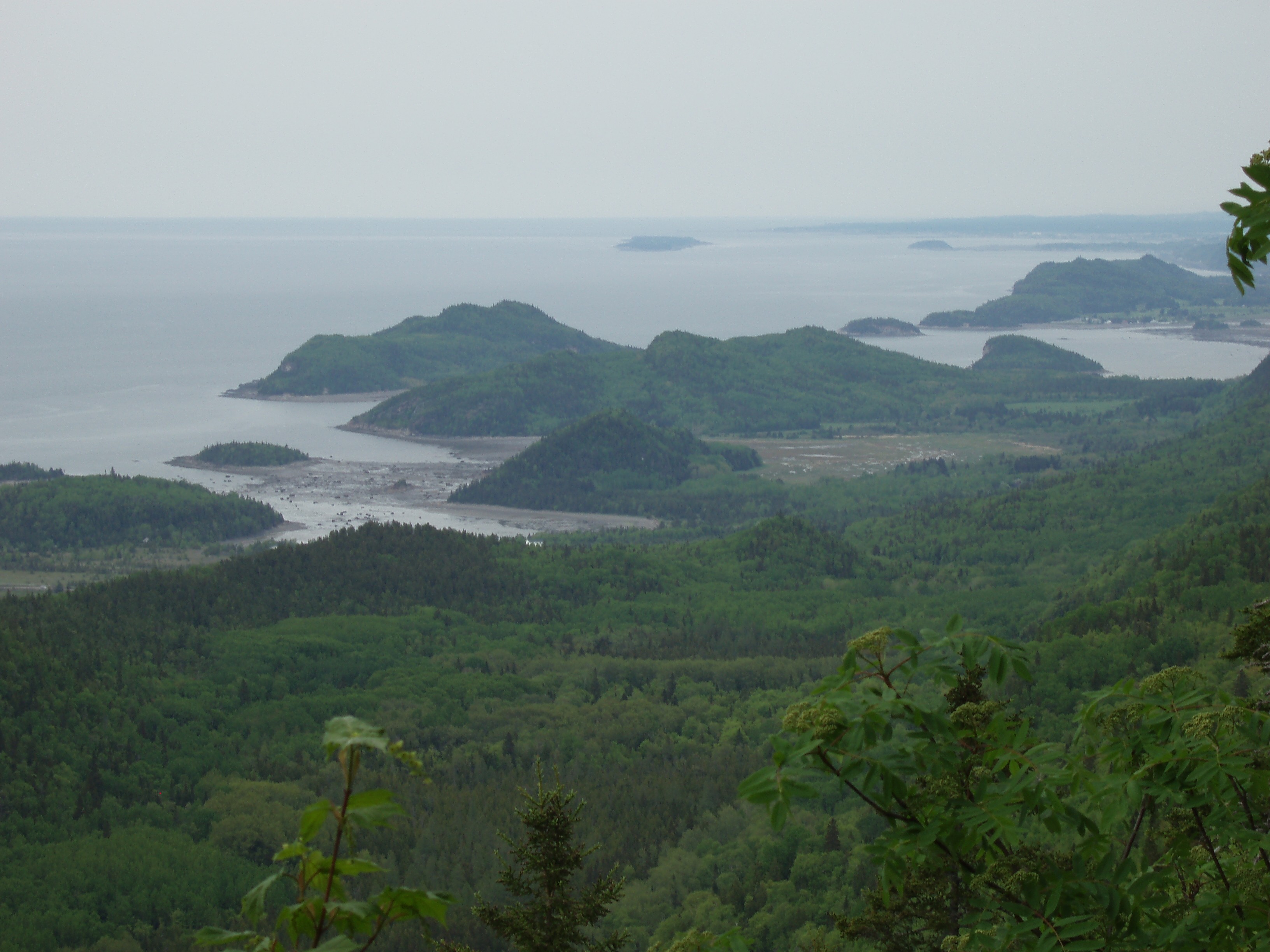
Québec, CA
You might spot White-Tailed Deer, Harbor Seal, and Common Eider.
View guide →
Take the discovery with you
Snap it with Snappit to identify it, learn what makes it special, and add the discovery to your collection.








.jpg&width=800)



_001.jpg&width=800)




