





western moss-heather
Cassiope mertensiana
Western moss-heather is a small, beautiful plant that grows in cool, rocky places. It has lovely pink or white flowers that bloom in the summer, making it a pretty sight in nature.
Habitat: Mountain regions
The western moss-heather is a low-growing evergreen shrub, forming dense mats. It has tiny, overlapping scale-like leaves, giving it a mossy texture. Its delicate, white to pinkish, bell-shaped flowers dangle downwards from short stalks.
Category
PlantsRarity
Common
Danger
1/5 · Very low
Snaps
1
It can live for many decades, bravely facing harsh mountain weather year after year!
Its tiny leaves feel scaly, like miniature dragon scales found on the mountain slopes!
Many call it 'White Heather' because of its charming, delicate, white bell-shaped flowers.
This hardy plant often grows right where the snow melts, loving cool, damp soil.
Western moss-heather has tiny, scale-like leaves that help it reduce water loss in dry, windy mountain environments.
Its low, mat-forming growth protects it from harsh winds and heavy snow, allowing it to thrive in tough alpine zones.
Western moss-heather is evergreen, meaning it keeps its leaves all year round, ready to photosynthesize whenever possible.
Bombus bifarius
collects nectar and pollen
Apis mellifera
gathers nectar from its flowers
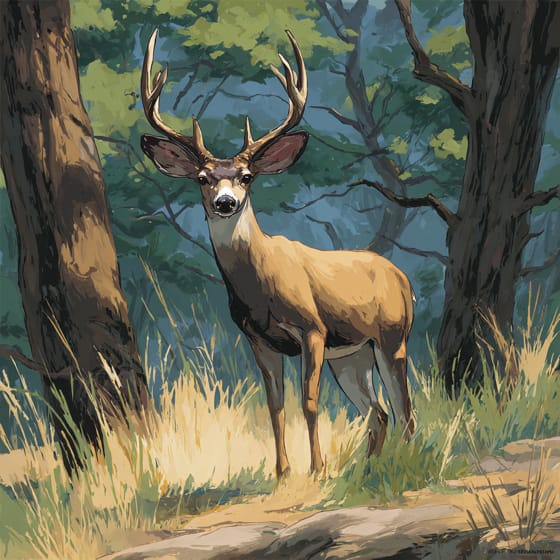
Odocoileus hemionus
browses its evergreen foliage

Oreamnos americanus
grazes on the tough leaves
Flowering plants are any plants that produce flowers as part of their reproductive cycle.
A shrub is a woody plant smaller than a tree, typically with multiple stems branching from or near the ground.
Summer blooming plants produce their flowers during the summer season, often providing vibrant color when many other plants have finished.
Cold hardy plants are able to withstand low temperatures and freezing conditions without significant damage.

Fragrant flowers emit a pleasant aroma, often to attract pollinators or for defense.

Describes plants that are particularly attractive and beneficial to a wide range of pollinating organisms.

This habitat trait identifies species found in mountainous regions, characterized by high elevation, steep slopes, and varying climate zones.

Describes a species whose presence and role have a disproportionately large effect on its environment.
No aliases listed yet.
Danger
1/5 · Very low
Always look but don't touch plants unless you know they are safe.
The easiest way to identify western moss-heather is to use the Snappit nature identifier app.
5-30 cm
10-50 cm
0.4-0.8 cm
Late spring to mid-summer
No
None
Perennial
Zoom in to split clusters and explore where this object has been snapped.

Washington, US
You might spot Cascade Golden-Mantled Ground Squirrel.
View guide →

Washington, US
You might spot Cascade Golden-Mantled Ground Squirrel.
View guide →

British Columbia, CA
You might spot Canada Jay, Pink Mountainheath, and Yellow-Pine Chipmunk.
View guide →

British Columbia, CA
You might spot White Pasqueflower and Hoary Marmot.
View guide →
Take the discovery with you
Snap it with Snappit to identify it, learn what makes it special, and add the discovery to your collection.








.jpg&width=800)


_001.jpg&width=800)




