





bearberry
Arctostaphylos uva-ursi
Bearberry is a small, low-growing plant with shiny green leaves and bright red berries. It's a favorite snack for bears and other animals, making it a special part of the forest.
Habitat: Mountain regions
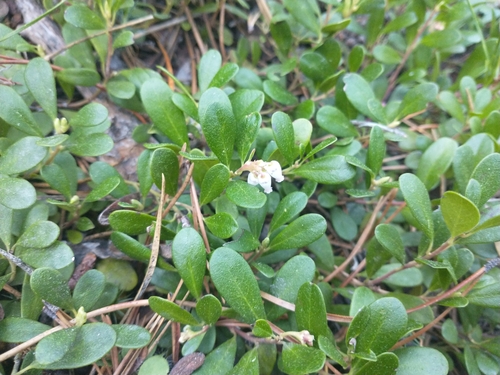
The bearberry is a low-growing, mat-forming evergreen shrub with small, leathery, dark green leaves that often turn bronzy in winter. It produces tiny, bell-shaped pinkish-white flowers, followed by bright red, shiny berries.
Category
PlantsRarity
Common
Danger
1/5 · Very low
Snaps
20
Bearberry flowers are like tiny upside-down bells, perfectly shaped for buzzing bees!
Its Latin name, 'uva-ursi,' means 'grape of the bear' because bears love the berries!
Its berries can stay on the plant all winter, providing food for animals!
Some people brew bearberry leaves into tea for traditional remedies.
Bearberry can survive very dry, sandy soils because its leathery leaves minimize water loss, keeping it hydrated in harsh conditions.
Bearberry has tough, evergreen leaves that stay green all year, letting it make food from sunlight even when other plants are sleeping.
Bearberry spreads its roots wide to hold soil in place, stopping erosion and creating a stable home for itself.

Ursus arctos
Berries are an important food source for bears.
Bombus impatiens
Buzzes for nectar and helps fertilize flowers.
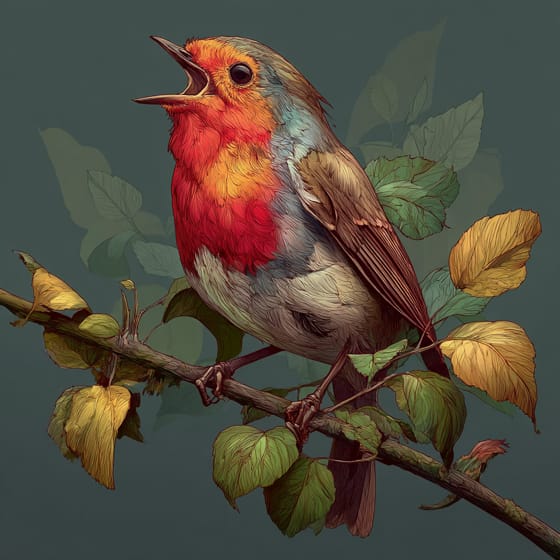
Turdus migratorius
Birds enjoy the persistent red berries, spreading seeds.
A shrub is a woody plant smaller than a tree, typically with multiple stems branching from or near the ground.
Evergreen plants retain their foliage throughout the year, never shedding all their leaves at once.
Fruit-bearing plants produce fruits, which are the mature ovaries of flowering plants containing seeds.
Drought-tolerant plants can survive and flourish in conditions with limited water availability.

Edible plants are those parts of a plant that are considered safe for human consumption.

Describes plants that are particularly attractive and beneficial to a wide range of pollinating organisms.

This habitat trait identifies species found in mountainous regions, characterized by high elevation, steep slopes, and varying climate zones.

Describes a species whose presence and role have a disproportionately large effect on its environment.
Danger
1/5 · Very low
Always ask an adult before picking or eating any berries.
The easiest way to identify bearberry is to use the Snappit nature identifier app.
5-30 cm
30-150 cm
0.5-0.8 cm
Spring to early summer
Yes
Mild
Perennial
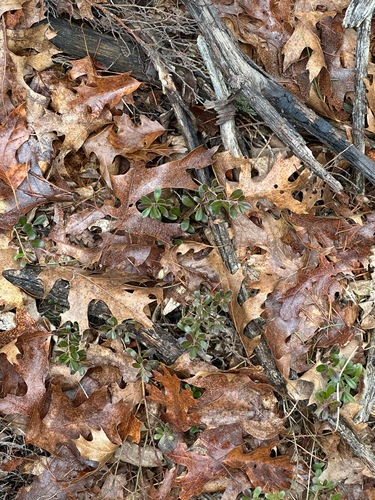
Zoom in to split clusters and explore where this object has been snapped.
Apr 1, 2026
Five Channels DamPhoto attribution
(c) jyoung2399, some rights reserved (CC BY)
License: CC BY 4.0 ↗
Image may be shown cropped inside the card frame.
Jun 10, 2023
Sun Pass State ForestPhoto attribution
no rights reserved
License: CC0 1.0 ↗
Image may be shown cropped inside the card frame.

Montana, US
You might spot Great Blanketflower and Seven-Spotted Lady Beetle.
View guide →

Michigan, US
You might spot Eastern Skunk Cabbage and Kirtland's Warbler.
View guide →

Indiana, US
You might spot Common Reed, Rosepink, and Bearberry.
View guide →

Michigan, US
You might spot Bladder Campion, Bearberry, and Common Milkweed.
View guide →

Colorado, US
You might spot Fireweed, Scentless Mayweed, and Quaking Aspen.
View guide →

Maine, US
You might spot Pink Lady's Slipper, Wood Lily, and Great Blue Heron.
View guide →
Take the discovery with you
Snap it with Snappit to identify it, learn what makes it special, and add the discovery to your collection.









.jpg&width=800)



_001.jpg&width=800)


