.jpg&width=800)





Bicolored Sallow
Sunira bicolorago
The Bicolored Sallow is a beautiful moth with bright yellow and brown colors. It flutters around at night and loves to visit flowers for nectar. This little insect is a wonderful part of nature's nighttime show!
Habitat: Forests
The Bicolored Sallow has bright yellow forewings, often marked with a distinct reddish-brown band near the outer edge. Its hindwings are much paler, usually a dull whitish-yellow. This two-toned appearance helps distinguish it from other moths.
Category
InsectsRarity
Common
Danger
1/5 · Very low
Snaps
13
Even though it's called a sallow, its brightest colors are often golden yellow!
Instead of sound, it uses pheromones to find a mate in the dark night.
Its caterpillars are picky eaters, munching only certain tree leaves.
This moth loves autumn, emerging when leaves start to turn golden!
Bicolored Sallow has excellent night vision that helps them fly safely and find flowers for nectar when it's dark outside.
Bicolored Sallow has a long, coiled proboscis that helps them sip sweet nectar from deep inside flowers like a tiny straw.
Adults sip sweet flower nectar, while their young munch on leaves from various trees!
Age differences: Larvae feed on tree leaves, while adults drink nectar from flowers.

Acer rubrum
Caterpillars munch on its leaves.
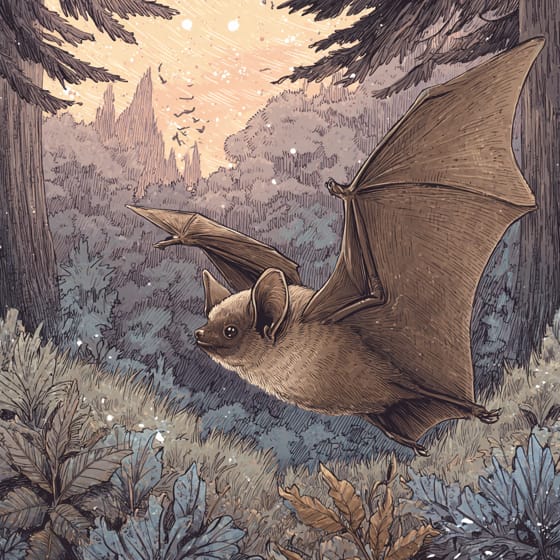
Myotis lucifugus
A common nocturnal predator of moths.
Solidago canadensis
Adults visit its flowers for nectar.
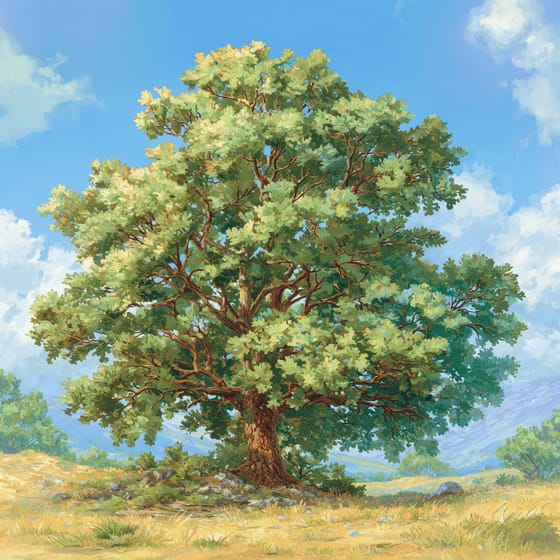
Quercus alba
Another important host plant for larvae.
Furry describes animals possessing a dense covering of soft hair or fur.
Solitary animals live alone for most of their lives, only interacting with others for mating or parental care.
Colorful describes organisms or objects displaying a wide range of bright and distinct colors.
This trait characterizes organisms whose diet consists entirely or primarily of plant material.

Forest habitats are terrestrial environments dominated by dense tree cover, supporting a high diversity of plant and animal life.

Nocturnal animals are primarily active during the nighttime hours, typically resting or sleeping during the day.

Describes organisms that transfer pollen, enabling the fertilization and reproduction of plants.
No aliases listed yet.
Danger
1/5 · Very low
It's best to watch moths from a distance and not touch them, as they can be delicate.
The easiest way to identify Bicolored Sallow is to use the Snappit nature identifier app.
30-40 mm
12-18 mm
10-30 days
10 km/h
Adults sip sweet flower nectar, while their young munch on leaves from various trees!
Forests
Foraging
Zoom in to split clusters and explore where this object has been snapped.

Pennsylvania, US
You might spot Large Yellow Underwing and Eastern Black Carpenter Ant.
View guide →

Pennsylvania, US
You might spot Eastern Tiger Swallowtail and Slowpoke Moth.
View guide →

Michigan, US
You might spot White-Tailed Deer, Brown-Belted Bumble Bee, and Monarch.
View guide →
Take the discovery with you
Snap it with Snappit to identify it, learn what makes it special, and add the discovery to your collection.







.jpg&width=800)


