





bigflower agoseris
Agoseris grandiflora
The bigflower agoseris is a bright yellow flower that blooms in spring and summer. Its large petals can be seen in meadows and open areas, bringing joy to everyone who sees them!
Habitat: Mountain regions
The bigflower agoseris has bright yellow, dandelion-like flower heads that can be quite large for a wildflower, often appearing singly on tall, slender stems. Its leaves are typically narrow and clustered at the base, giving it a neat, clumping appearance in fields.
Category
PlantsRarity
Common
Danger
1/5 · Very low
Snaps
Be the first to snap!
Each seed has its own tiny parachute, floating on breezes like little hot air balloons!
Its bright yellow flowers are heliotropic, meaning they cleverly turn to follow the sun across the sky!
Native Americans traditionally roasted its taproots to create a coffee-like drink or snack!
The plant's scientific name, Agoseris grandiflora, literally translates to 'big flower' in Latin!
Bigflower agoseris has edible leaves and roots that can be eaten by humans, helping it survive by providing a food source.
It has a strong taproot that helps it reach water deep underground, allowing it to survive in drier environments.
This plant has fluffy seeds with 'parachutes' that catch the wind, helping it spread its offspring far and wide.
Bombus vosnesenskii
collects nectar and pollen
Apis mellifera
visits flowers for nectar
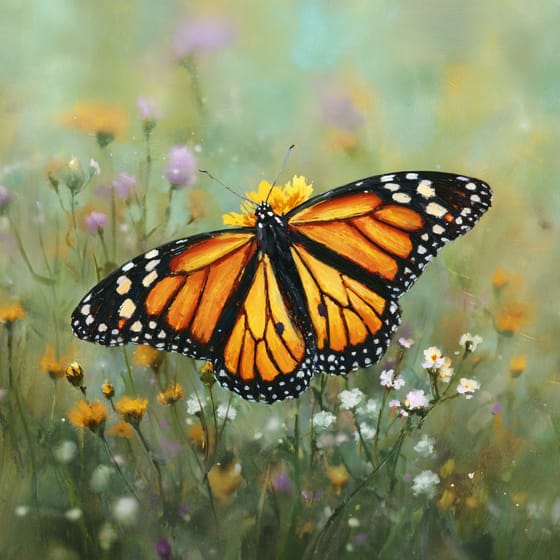
Danaus plexippus
drinks nectar from blooms
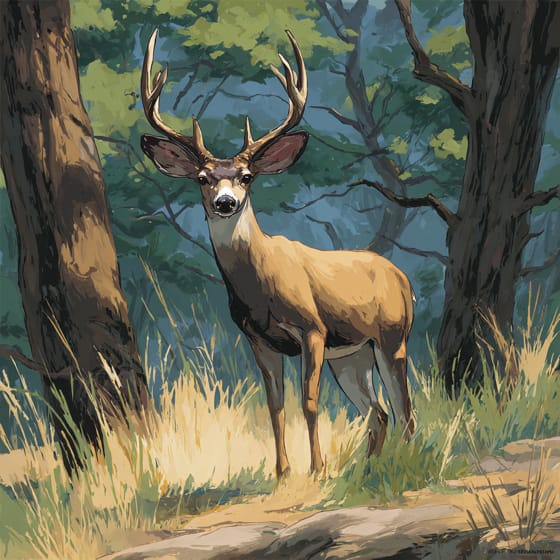
Odocoileus hemionus
browses on leaves and stems
Flowering plants are any plants that produce flowers as part of their reproductive cycle.
Spring blooming plants produce their flowers during the spring season, often signifying the end of winter and the start of new growth.
Summer blooming plants produce their flowers during the summer season, often providing vibrant color when many other plants have finished.
Colorful describes organisms or objects displaying a wide range of bright and distinct colors.

Edible plants are those parts of a plant that are considered safe for human consumption.

Grassland habitats are terrestrial biomes dominated by grasses and herbaceous plants, supporting a variety of grazing animals.

Describes plants that are particularly attractive and beneficial to a wide range of pollinating organisms.

This habitat trait identifies species found in mountainous regions, characterized by high elevation, steep slopes, and varying climate zones.
No aliases listed yet.
Danger
1/5 · Very low
Always look but don’t pick flowers to help nature stay beautiful.
The easiest way to identify bigflower agoseris is to use the Snappit nature identifier app.
30-80 cm
15-30 cm
3-5 cm
Spring to early summer
Yes
None
Perennial
Zoom in to split clusters and explore where this object has been snapped.
Recent snaps will appear here as new observations are added.
Take the discovery with you
Snap it with Snappit to identify it, learn what makes it special, and add the discovery to your collection.








.jpg&width=800)



_001.jpg&width=800)



