.jpg&width=800)





Black-bellied Plover
Pluvialis squatarola
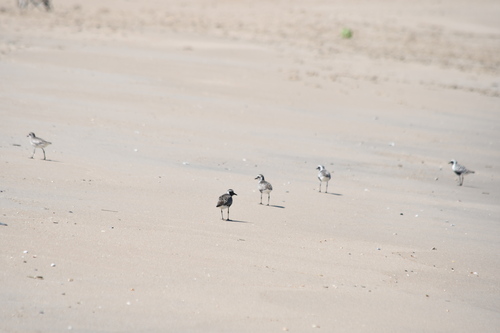
The Black-bellied Plover is a beautiful bird with a black belly and a white chest. It loves to run along the beach and hunt for tasty little crabs and worms in the sand.
Habitat: Coastal areas
The Black-bellied Plover has a distinctive breeding plumage of a black face, neck, and belly contrasting with a white stripe and mottled grey-black back. Non-breeding birds are duller grey-brown overall, making them blend with coastal sands.
Category
BirdsRarity
Common
Danger
1/5 · Very low
Snaps
9
Black-bellied Plovers are the largest of North America's plover species.
Their distinct "plee-ooo-eee" call sounds like they're saying their own name!
These plovers can live surprisingly long, often reaching over 20 years old!
They often vibrate their feet on mudflats to make hidden prey pop up!
Black-bellied Plover can breed in the harsh Arctic tundra, adapting to extreme cold conditions.
Black-bellied Plover can hunt by sight, using its "run-stop-peck" strategy to spot small prey.
Black-bellied Plover has special feathers that change from dull gray to striking black and white for breeding.
Black-bellied Plover can migrate thousands of kilometers, flying between Arctic breeding grounds and tropical coasts.
Eats small invertebrates like worms, crabs, and insects found in mud and sand.
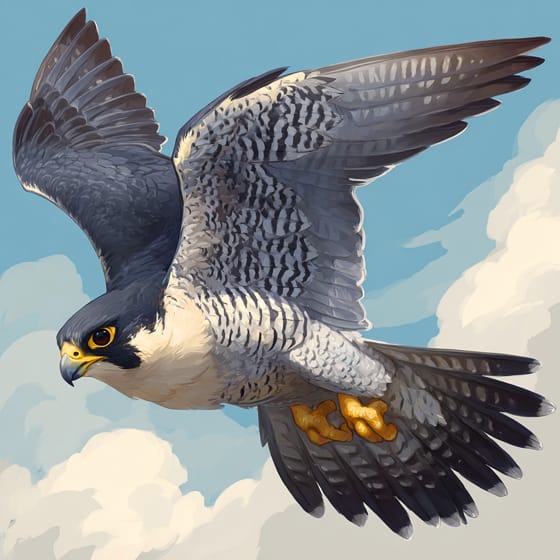
Falco peregrinus
Hunts adult plovers during migration.
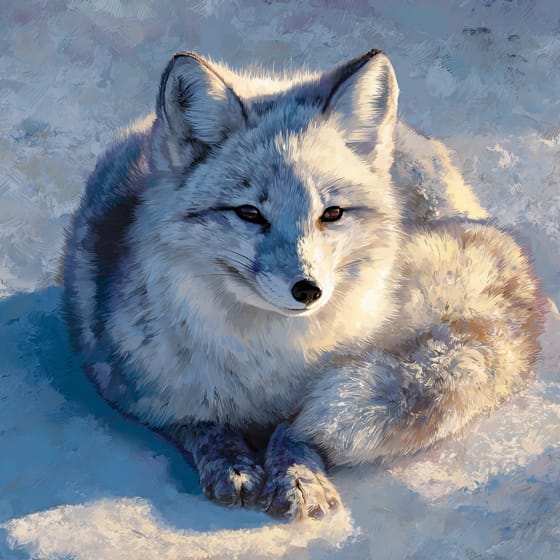
Vulpes lagopus
Preys on eggs and chicks in Arctic tundra.
Nereis virens
Forages for these common marine worms in mudflats.
Carcinus maenas
Consumes small crabs in coastal estuaries.
Feathered describes animals, primarily birds, possessing a covering of feathers.
Social animals live in organized groups, cooperating for survival benefits such as foraging, defense, and raising offspring.
Camouflaged describes organisms that possess coloring or patterns that allow them to blend into their environment.
Coastal habitats are dynamic environments located along the interface between land and sea, influenced by tides, waves, and saltwater.

This trait identifies organisms whose diet consists entirely or primarily of animal tissue.

Diurnal animals are primarily active during daylight hours, typically resting or sleeping at night.

This trait identifies organisms that exhibit exceptional swiftness in movement for hunting, escape, or travel.

Migratory animals undertake seasonal movements from one region to another, typically in response to changes in climate or food availability.
No aliases listed yet.
Danger
1/5 · Very low
Always watch birds from a distance and don't try to touch them.
The easiest way to identify Black-bellied Plover is to use the Snappit nature identifier app.
27-30 cm
71-83 cm
0.17-0.31 kg
15-20 years
90 km/h
Eats small invertebrates like worms, crabs, and insects found in mud and sand.
Coastal areas
Zoom in to split clusters and explore where this object has been snapped.
Jun 2, 2026
Fort MilesPhoto attribution
(c) inbetweenbays, some rights reserved (CC BY)
License: CC BY 4.0 ↗
Image may be shown cropped inside the card frame.

US
You might spot Firewheel, Domestic Horse, and Atlantic Horseshoe Crab.
View guide →

New York, US
You might spot African Penguin, Sea Otter, and Harbor Seal.
View guide →

North Carolina, US
You might spot Firewheel, Domestic Horse, and Atlantic Horseshoe Crab.
View guide →

US
You might spot Osprey, Laughing Gull, and Willet.
View guide →

Delaware, US
You might spot Atlantic Horseshoe Crab and Atlantic Ghost Crab.
View guide →

Oklahoma, US
You might spot Ring-Billed Gull and Great Blue Heron.
View guide →
Take the discovery with you
Snap it with Snappit to identify it, learn what makes it special, and add the discovery to your collection.




.jpg&width=800)







