





Black Hawthorn
Crataegus douglasii
The Black Hawthorn is a small tree or shrub with beautiful white flowers in spring and dark berries in the fall. It provides food for birds and other animals, making it a great part of nature!
Habitat: Forests
The Black Hawthorn is a thorny shrub or small tree with glossy green leaves and small white flower clusters. Its most distinguishing feature is the dark purple, almost black, berry-like fruits that mature in late summer.
Category
PlantsRarity
Common
Danger
2/5 · Low
Snaps
1
Despite its thorns, indigenous peoples traditionally ate the berries raw or made them into cakes.
Its berries, called 'haws,' start red and ripen to a shiny, deep purple-black color!
Some hawthorn trees can live for hundreds of years, making them ancient giants of the forest!
The Black Hawthorn is a resilient tree, often one of the first plants to grow back after a forest fire.
Black Hawthorn has sharp, woody thorns that help defend its branches and young shoots from hungry herbivores like deer.
Black Hawthorn can produce abundant dark berries, providing essential food for many birds and mammals, helping to spread its seeds.
Black Hawthorn has a strong root system that allows it to grow in diverse soils and helps prevent erosion along riverbanks.
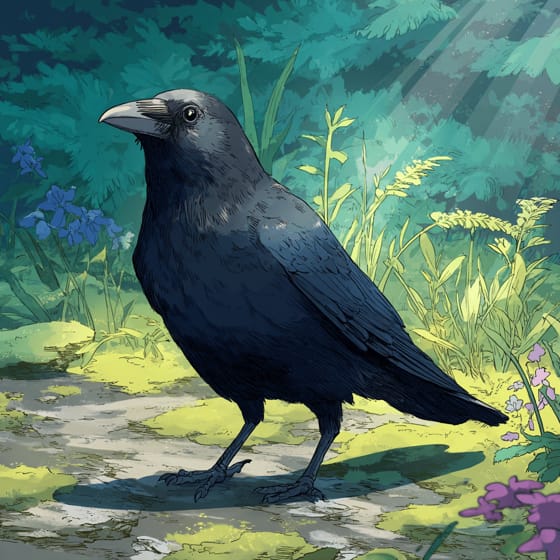
Corvus brachyrhynchos
Crows eat the nutritious black hawthorn berries.
Bombus bifarius
Bumblebees visit flowers for nectar and pollen.
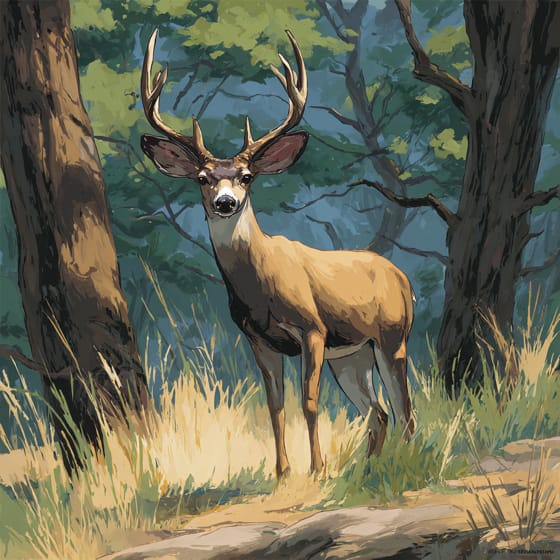
Odocoileus hemionus
Deer browse on young leaves and twigs.

Sialia mexicana
Bluebirds use its branches for perching and nesting.
Deciduous plants periodically shed all their leaves, typically during autumn or dry seasons.
Flowering plants are any plants that produce flowers as part of their reproductive cycle.
A shrub is a woody plant smaller than a tree, typically with multiple stems branching from or near the ground.
Spring blooming plants produce their flowers during the spring season, often signifying the end of winter and the start of new growth.

Broadleaf trees are angiosperms characterized by flat, wide leaves that are typically shed annually in temperate climates.

Fragrant flowers emit a pleasant aroma, often to attract pollinators or for defense.

Fruit-bearing plants produce fruits, which are the mature ovaries of flowering plants containing seeds.

Pertaining to plants that have stems covered with sharp, pointed projections for defense.

Edible plants are those parts of a plant that are considered safe for human consumption.

Describes plants that are particularly attractive and beneficial to a wide range of pollinating organisms.

Forest habitats are terrestrial environments dominated by dense tree cover, supporting a high diversity of plant and animal life.
No aliases listed yet.
Danger
2/5 · Low
Be careful of the sharp thorns on the branches!
The easiest way to identify Black Hawthorn is to use the Snappit nature identifier app.
300-1000 cm
300-800 cm
1-1.5 cm
Late spring to early summer
Yes
None
Perennial
Zoom in to split clusters and explore where this object has been snapped.
Take the discovery with you
Snap it with Snappit to identify it, learn what makes it special, and add the discovery to your collection.







.jpg&width=800)

_001.jpg&width=800)



