_Cayo.jpg&width=800)





Black Spiny-tailed Iguana
Ctenosaura similis
The Black Spiny-tailed Iguana is a lively lizard that loves to bask in the sun! With its spiky tail and strong legs, it can climb trees and run fast when it needs to escape.
Habitat: Coastal areas
The Black Spiny-tailed Iguana is a large lizard, typically dark grey to black, sometimes with yellow or orange markings. It has distinct keeled scales forming prominent dorsal crests and a tail covered in sharp, spiky rings. Juveniles are often bright green.
Category
ReptilesRarity
Common
Danger
2/5 · Low
Snaps
8
Males turn bright orange and yellow during breeding season!
These speedy lizards can run up to 35 km/h on two legs!
They are the fastest lizard in the world, on average!
Young iguanas are often bright green, changing color as they grow!
Black Spiny-tailed Iguana can run at incredible speeds on two legs that helps them quickly escape predators.
Black Spiny-tailed Iguana has a tail covered in sharp spines that helps them powerfully swat away threats.
Black Spiny-tailed Iguana can dig deep burrows that helps them hide from heat and keep safe from predators.
Black Spiny-tailed Iguana can hold its breath for long periods that helps them hide from danger in water.
An omnivore, it enjoys a varied diet of plants, fruits, and small animals.
Age differences: Juveniles are primarily insectivorous, becoming more herbivorous as they mature.
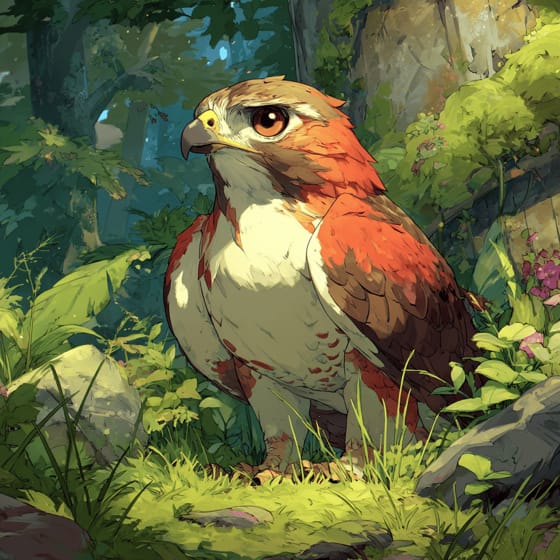
Buteo jamaicensis
A common avian predator of young iguanas.
Mangifera indica
Feasts on ripe fruit when available in its habitat.

Homo sapiens
Hunted for food in parts of its native range.
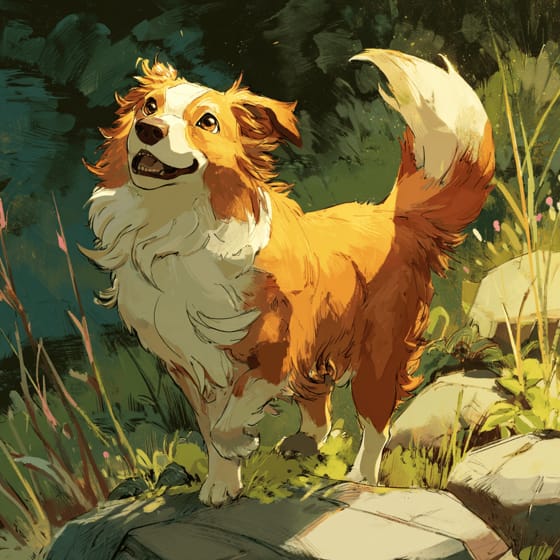
Canis familiaris
Preyed upon by stray and pet dogs.
This trait identifies organisms whose diet includes both plant and animal matter.
Arboreal animals live primarily in trees, utilizing them for shelter, food, and protection from predators.
Camouflaged describes organisms that possess coloring or patterns that allow them to blend into their environment.
Colorful describes organisms or objects displaying a wide range of bright and distinct colors.

Possessing sharp, pointed projections or spines on the body or surface.

Coastal habitats are dynamic environments located along the interface between land and sea, influenced by tides, waves, and saltwater.

Diurnal animals are primarily active during daylight hours, typically resting or sleeping at night.

This trait identifies organisms that exhibit exceptional swiftness in movement for hunting, escape, or travel.
No aliases listed yet.
Danger
2/5 · Low
Always watch from a distance and don't try to touch wild iguanas.
The easiest way to identify Black Spiny-tailed Iguana is to use the Snappit nature identifier app.
25-150 cm
0.5-5 kg
15-25 years
35 km/h
An omnivore, it enjoys a varied diet of plants, fruits, and small animals.
5 km/h
Coastal areas
Zoom in to split clusters and explore where this object has been snapped.

Florida, US
You might spot White Ibis, Green Iguana, and Black-Crowned Night Heron.
View guide →

Florida, US
You might spot Brown Pelican, Black Spiny-Tailed Iguana, and Sea Grape.
View guide →

Florida, US
You might spot Brown Anole and Northern Curly-Tailed Lizard.
View guide →

US
You might spot Bottlenose Dolphin, Orca, and Sea Lion.
View guide →
US
You might spot Bottlenose Dolphin, Sea Lion, and Orca.
View guide →
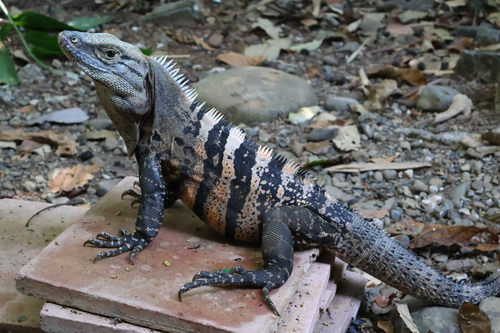
Florida, US
You might spot Black Spiny-Tailed Iguana, Brown Anole, and Sea Grape.
View guide →
Take the discovery with you
Snap it with Snappit to identify it, learn what makes it special, and add the discovery to your collection.











