





Black Stork
Ciconia nigra
The Black Stork is a beautiful bird with shiny black feathers and a long, pointed beak. They love to live near water where they can catch fish and frogs to eat.
Habitat: Wetlands
The Black Stork is a large wading bird with iridescent black plumage that shines purple and green in sunlight, contrasting sharply with its pure white belly. It has striking bright red legs and a long, pointed red bill, making it visually distinct from its white stork cousin.
Category
BirdsRarity
Common
Danger
1/5 · Very low
Snaps
Be the first to snap!
Black Storks stomp their feet in water to scare out fish and amphibians hiding in the mud!
Some Black Stork pairs reuse the exact same giant nest, high in a tree, for many years.
Their long, sharp red bill is perfect for snatching slippery prey like eels from shallow water.
They are very shy and prefer to nest far away from humans in tall, ancient forest trees.
Black Stork can soar for hours on warm air currents, saving energy for long migration flights.
Black Stork can quietly wade through shallow waters because its movements are slow and deliberate, surprising prey.
Black Stork can communicate with others by rapidly clattering its strong red bill instead of singing or chirping.
Black Storks hunt fish, frogs, and aquatic insects by stalking quietly in shallow freshwater.
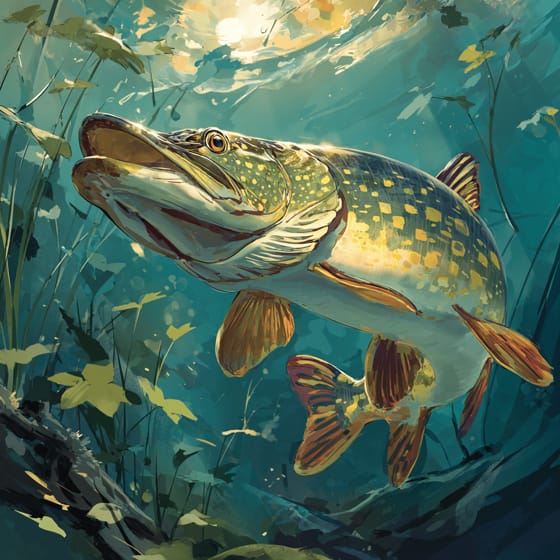
Esox lucius
Young pike are a common food source for storks.
Rana temporaria
Adult frogs and tadpoles are frequently hunted.
Quercus robur
Black Storks build large nests high in old oak trees.

Haliaeetus albicilla
Eggs and chicks are sometimes preyed upon by eagles.
Feathered describes animals, primarily birds, possessing a covering of feathers.
Solitary animals live alone for most of their lives, only interacting with others for mating or parental care.
Piscivorous organisms are animals that primarily subsist on a diet of fish.
This habitat trait identifies species found in wetlands, which are areas of land saturated with water, either permanently or seasonally, including marshes, swamps, and bogs.

This trait identifies organisms whose diet consists entirely or primarily of animal tissue.

Diurnal animals are primarily active during daylight hours, typically resting or sleeping at night.

Migratory animals undertake seasonal movements from one region to another, typically in response to changes in climate or food availability.

Endangered status indicates a species is at a very high risk of extinction in the wild in the near future.
No aliases listed yet.
Danger
1/5 · Very low
Always watch birds from a distance and don't disturb their nests.
The easiest way to identify Black Stork is to use the Snappit nature identifier app.
90-105 cm
145-155 cm
2.3-3.2 kg
18-20 years
60 km/h
Black Storks hunt fish, frogs, and aquatic insects by stalking quietly in shallow freshwater.
Wetlands
Zoom in to split clusters and explore where this object has been snapped.
Recent snaps will appear here as new observations are added.
Take the discovery with you
Snap it with Snappit to identify it, learn what makes it special, and add the discovery to your collection.





.jpg&width=800)







