





Black Turnstone
Arenaria melanocephala
The Black Turnstone is a small bird with a black head and a beautiful patterned body. They love to search for food on rocky beaches and are great at flipping over stones to find tasty snacks!
Habitat: Coastal areas
The Black Turnstone has a chunky body with mostly sooty-black plumage on its back and breast, sharply contrasting with a bright white belly. Its sturdy, slightly upturned black bill and short, bright orange legs are distinctive, making it stand out on shorelines.
Category
BirdsRarity
Common
Danger
1/5 · Very low
Snaps
Be the first to snap!
Black Turnstones can live up to 12 years in the wild!
Their scientific name, Arenaria, means 'sand-dweller' or 'arena dweller'!
They communicate using calls like a rapid 'kew-kew-kew'.
They sometimes follow larger birds like gulls to find food.
Black Turnstone can skillfully flip rocks and seaweed with its bill to uncover delicious hidden treats.
Has excellent vision and quick reflexes that help it snatch prey left exposed by receding waves.
Can use its sturdy legs to wade and run rapidly along the intertidal zone, always following the best feeding spots.
These birds are omnivores, mostly eating small marine invertebrates found along rocky and sandy shores.
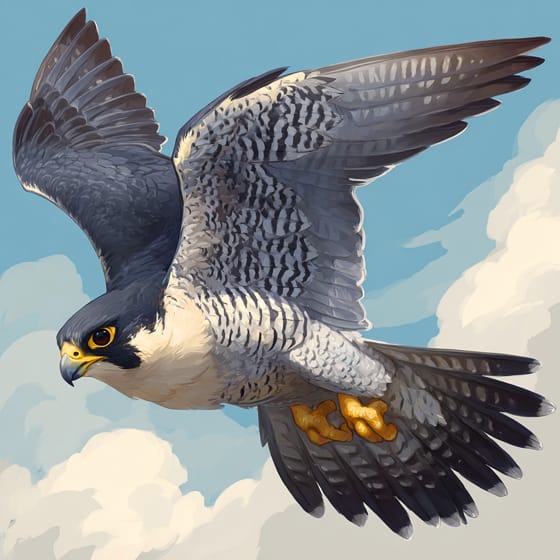
Falco peregrinus
Falcons hunt shorebirds.
%2C_Point_Lobos%2C_CA%2C_US_-_May_2013.jpg&width=800)
Larus occidentalis
Gulls prey on eggs or chicks.
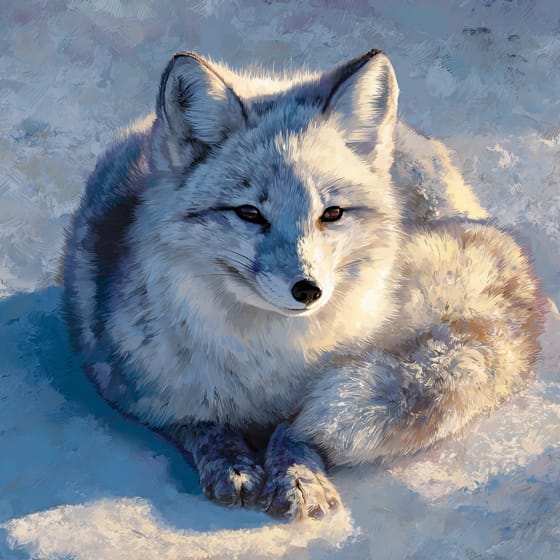
Vulpes lagopus
Foxes hunt them on breeding grounds.
Balanus glandula
Pries barnacles from rocks.
Mytilus californianus
Feeds on small mussels.
Feathered describes animals, primarily birds, possessing a covering of feathers.
Camouflaged describes organisms that possess coloring or patterns that allow them to blend into their environment.
This trait identifies organisms whose diet primarily consists of insects and other small invertebrates.
Coastal habitats are dynamic environments located along the interface between land and sea, influenced by tides, waves, and saltwater.

Diurnal animals are primarily active during daylight hours, typically resting or sleeping at night.

This trait identifies organisms that exhibit exceptional swiftness in movement for hunting, escape, or travel.

Migratory animals undertake seasonal movements from one region to another, typically in response to changes in climate or food availability.
No aliases listed yet.
Danger
1/5 · Very low
Enjoy watching birds from a distance and don't try to catch them.
The easiest way to identify Black Turnstone is to use the Snappit nature identifier app.
22-25 cm
43-47 cm
0.1-0.17 kg
5-12 years
60 km/h
These birds are omnivores, mostly eating small marine invertebrates found along rocky and sandy shores.
Coastal areas
Zoom in to split clusters and explore where this object has been snapped.
Recent snaps will appear here as new observations are added.
Take the discovery with you
Snap it with Snappit to identify it, learn what makes it special, and add the discovery to your collection.





.jpg&width=800)








