Canada Goose

Discover the engineering marvels of the Erie Canal at Schoharie Crossing State Historic Site, a sprawling and picturesque landscape where history meets the outdoors.
Discover the engineering marvels of the Erie Canal at Schoharie Crossing State Historic Site, a sprawling and picturesque landscape where history meets the outdoors. This unique site is dedicated to preserving and interpreting the canal's pivotal role in 19th-century American development, offering visitors a tangible connection to a transformative era. It's one of the only places where the three distinct phases of the Erie Canal—the original "Clinton's Ditch," the Enlarged Erie Canal, and the modern Erie (Barge) Canal—can be explored in one location.
Explore significant remnants of canal history, including the impressive ruins of the Schoharie Creek Aqueduct, a 624-foot long structure that once carried the Enlarged Erie Canal over the Schoharie Creek. Wander along a two-mile segment of the original "Clinton's Ditch" Erie Canal, and observe the Old Erie Canal Guard Lock, the only surviving guard lock from the canal's earliest days. The site also features the preserved Old Erie Canal 'Empire' Lock No. 20, and double locks from the Enlarged era like 'Empire' Lock No. 29 and 'Yankee Hill' Lock 28, alongside the historical Putman's Canal Store.
Schoharie Crossing is more than just a historical landmark; it's an immersive experience for all ages, offering miles of trails for walking, biking, and even winter activities like cross-country skiing and snowshoeing. With a visitor center featuring engaging exhibits on the Erie Canal and the earlier Fort Hunter, it provides both educational insights and abundant recreational opportunities. Whether you're a history enthusiast, an outdoor adventurer, or simply seeking a scenic escape, Schoharie Crossing offers a memorable journey through a crucial part of American heritage. Don't forget to bring the Snappit nature identification app along to scan local species.
Schoharie Crossing State Historic Site's history predates the Erie Canal itself, with the area first inhabited by the Mohawk people at the fortified village of Tiononderoge, meaning "the meeting of the waters," located at the confluence of the Mohawk River and Schoharie Creek. Later, Fort Hunter was established nearby in 1712. The site's primary historical significance stems from its role in the construction and evolution of the Erie Canal. The original "Clinton's Ditch" canal was built through this area in the early 19th century, featuring structures like the Guard Lock and Empire Lock No. 20. When the canal was enlarged from 1836 to 1862, new double locks, such as Empire Lock No. 29 and Yankee Hill Lock 28, were constructed, and the path of the canal was moved to allow for the building of the impressive Schoharie Creek Aqueduct. This 14-arch aqueduct, built between 1839 and 1841, carried canal boats over the Schoharie Creek until 1916. In 1966, the state-owned land at Fort Hunter, encompassing these significant canal remnants, was designated as Schoharie Crossing State Historic Site, ensuring the preservation and interpretation of this vital piece of New York's history.
Walk, bike, or horseback ride along miles of historic towpath trails. Kayak or canoe on the Mohawk River and Schoharie Creek from designated launches. Fish along the banks of the river or creek. Explore the various locks and the aqueduct ruins. Visit the Visitor Center for educational exhibits.
Summer/Fall: Ideal for all outdoor activities, picnics, and enjoying the Visitor Center and its programs.
Winter: The grounds remain open for cross-country skiing, snowshoeing, and winter hiking. The Visitor Center and Museum are closed during winter. Some specific features like Putman's Canal Store may be under restoration at certain times (e.g., Summer 2025).
The site offers wheelchair-accessible amenities, and its towpath trails are described as level and suitable for various activity levels.
Witness the impressive arches of this 19th-century engineering marvel.
See the only surviving guard lock from the original "Clinton's Ditch" Erie Canal.
Explore remnants of the original Erie Canal's lift locks.
Discover the double locks built during the canal's enlargement phase.
Each card links to a full Explore page with photos, traits, and fun facts.
Start with the big picture, then zoom in to explore individual wildlife observations around this place.
Wear comfortable shoes
Many of the historical features are best explored on foot along the towpath trails.
Bring water and snacks
Especially during warmer months, as you'll likely spend a few hours exploring the extensive grounds.
Check operating hours for the Visitor Center: The Visitor Center and Museum are typically open May through October; confirm current hours before your visit for indoor exhibits.
Consider bringing binoculars
For birdwatching, especially near the Mohawk River and canals, as various waterfowl and water-loving mammals can be spotted.
Utilize the different access points
Besides the main Visitor Center, consider starting your exploration from the Aqueduct Boat Launch or Yankee Hill Lock Picnic Area for different perspectives and activities.
Respect "no wake zones"
If you plan to kayak or canoe, be mindful of the "no wake zone" until you reach the main Mohawk River.
May 1, 2026
Photo attribution
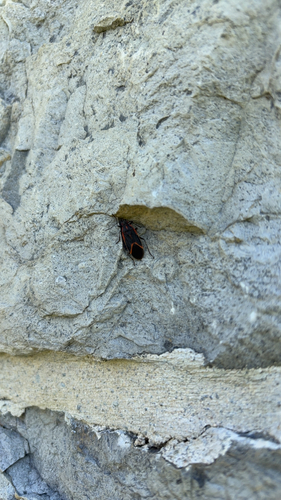
(c) littleblkdog, some rights reserved (CC BY-SA)
License: CC BY-SA 4.0 ↗
Image may be shown cropped inside the card frame.
Oct 3, 2025
Photo attribution
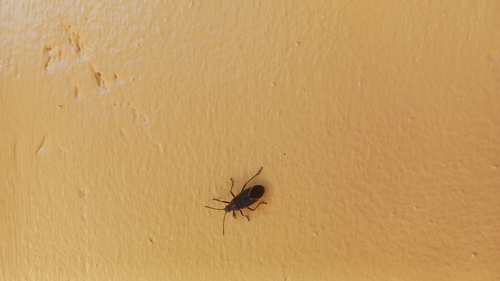
no rights reserved
License: CC0 1.0 ↗
Image may be shown cropped inside the card frame.
Jun 4, 2026
Jun 4, 2026
May 26, 2026

Maryland, US
You might spot White-Tailed Deer and Eastern Gray Squirrel.
View guide →
.jpg)
District of Columbia, US
You might spot Eastern Gray Squirrel, Duck, and House Sparrow.
View guide →

Illinois, US
You might spot American Robin, Canada Goose, and House Sparrow.
View guide →

Virginia, US
You might spot Spotted Lanternfly and Northern Cardinal.
View guide →
Take the discovery with you
Identify the wildlife you spot, learn as you go, and keep a collection of the adventure.