





Blackbead
Pithecellobium keyense
The Blackbead is a beautiful plant with shiny black seeds that look like beads! It grows in warm places and is loved by many animals for its tasty seeds.
Habitat: Tropical forests
The Blackbead is a small to medium-sized tree with dark green, bipinnately compound leaves. It produces clusters of fluffy white, brush-like flowers. Its most distinctive feature is its twisted, reddish-brown pods containing shiny, hard black seeds, which resemble tiny beads.
Category
PlantsRarity
Common
Danger
1/5 · Very low
Snaps
Be the first to snap!
Ancient peoples once collected its incredibly shiny, hard black seeds to make beautiful jewelry!
Its scientific name means 'monkey's earring' because of its wonderfully coiled seed pods!
The Blackbead's tiny white flowers look just like mini bottle brushes!
This tough tree helps other plants grow by enriching soil with nutrients from the air!
Blackbead has special root nodules that host tiny bacteria, allowing it to pull nitrogen from the air and enrich the soil around it.
Blackbead can survive long dry spells thanks to its deep roots and small leaves that efficiently conserve precious water.
Blackbead produces sweet, edible pulp around its seeds, enticing animals to eat them and help spread its offspring.
Apis mellifera
Visits flowers for nectar and pollen

Procyon lotor
Consumes the sweet pulp and seeds
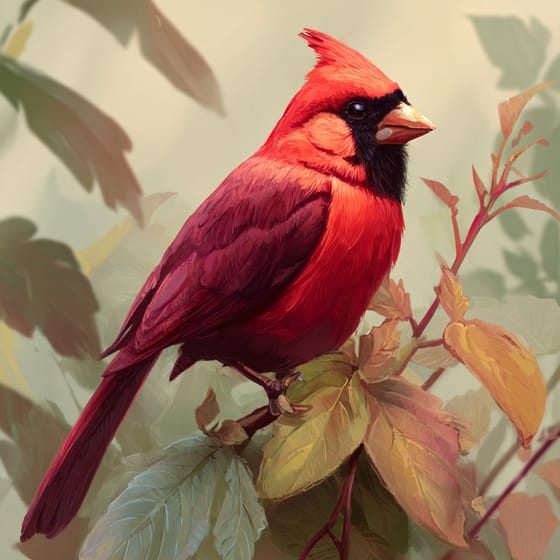
Cardinalis cardinalis
Feeds on the seeds from the pods
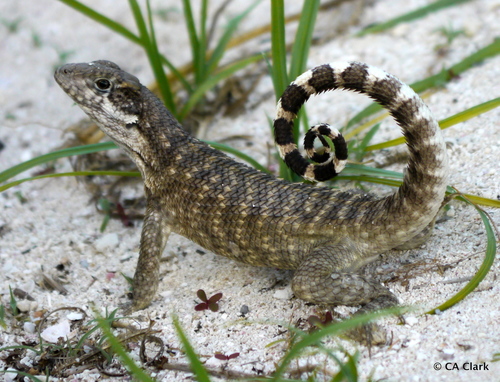
Anolis carolinensis
Uses branches and leaves for cover
Rhizobium leguminosarum
Lives in roots, helps tree grow
Flowering plants are any plants that produce flowers as part of their reproductive cycle.
Shade tolerant plants are adapted to grow and thrive in areas with low light levels, requiring less direct sunlight.
Broadleaf trees are angiosperms characterized by flat, wide leaves that are typically shed annually in temperate climates.
Evergreen plants retain their foliage throughout the year, never shedding all their leaves at once.

Fruit-bearing plants produce fruits, which are the mature ovaries of flowering plants containing seeds.

Edible plants are those parts of a plant that are considered safe for human consumption.

Describes plants that are particularly attractive and beneficial to a wide range of pollinating organisms.
No aliases listed yet.
Danger
1/5 · Very low
Always look but don't touch plants without asking an adult first.
The easiest way to identify Blackbead is to use the Snappit nature identifier app.
500-1000 cm
300-600 cm
1-2.5 cm
Late spring to summer
Yes
None
Perennial
Zoom in to split clusters and explore where this object has been snapped.
Recent snaps will appear here as new observations are added.
Take the discovery with you
Snap it with Snappit to identify it, learn what makes it special, and add the discovery to your collection.








.jpg&width=800)


_001.jpg&width=800)

