





Blue-eyed Darner
Rhionaeschna multicolor
The Blue-eyed Darner is a beautiful dragonfly with bright blue eyes and colorful wings. It loves to fly around near water and is fun to watch as it zooms through the air!
Habitat: Wetlands
The Blue-eyed Darner is a large, powerful dragonfly with striking iridescent blue eyes in males. Its robust body is dark brown or black, marked with bright blue spots or stripes, making it visually distinct. Females have similar patterns but often with greenish or yellowish eyes.
Category
InsectsRarity
Common
Danger
1/5 · Very low
Snaps
6
A Blue-eyed Darner's wings beat independently for incredible flight control.
Dragonflies are ancient insects; their ancestors lived before dinosaurs!
It catches flying prey mid-air using its spiky legs like a net.
They can even see light that is polarized, helping them find water!
Blue-eyed Darners have huge compound eyes for nearly 360-degree vision, helping them spot tiny prey and predators.
Blue-eyed Darners can hover, fly backward, and change direction instantly because their four wings move independently.
Blue-eyed Darner nymphs have an extendable lower lip (labium) that shoots out to snatch aquatic prey.
They are fierce aerial hunters, catching and eating other flying insects while in flight.
Age differences: Nymphs (larvae) are aquatic predators, eating small fish, tadpoles, and other aquatic insects; adults hunt flying insects.
Anopheles quadrimaculatus
Reduces populations of disease-carrying mosquitoes.
Musca domestica
Helps control common pest insects around water.
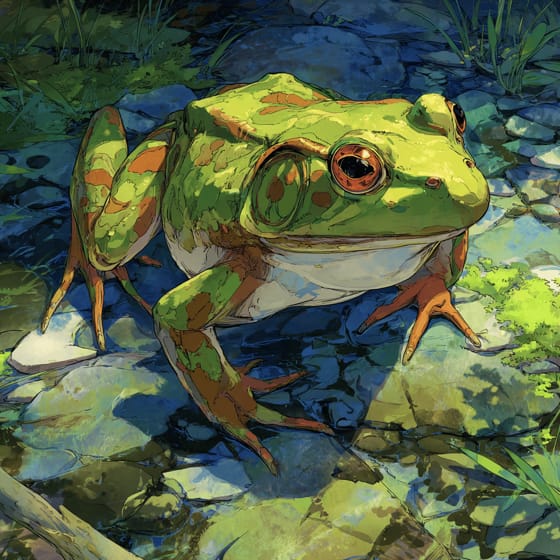
Lithobates catesbeianus
Larval and adult darners can be food for larger predators.
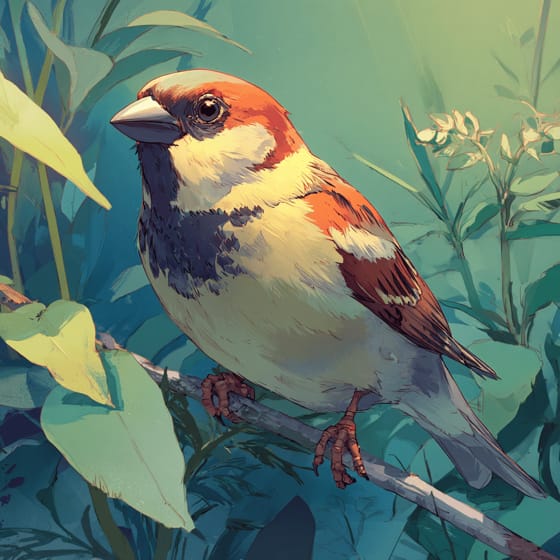
Passer domesticus
Adult dragonflies are a food source for many bird species.
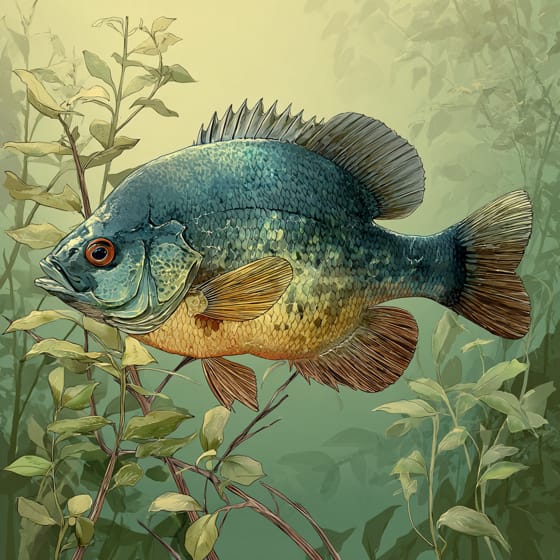
Lepomis macrochirus
Fish commonly prey on dragonfly nymphs in aquatic habitats.
Solitary animals live alone for most of their lives, only interacting with others for mating or parental care.
Aerial creatures spend a significant portion of their lives airborne, utilizing flight for various activities such as hunting, migration, or nesting.
Colorful describes organisms or objects displaying a wide range of bright and distinct colors.
This trait identifies organisms whose diet primarily consists of insects and other small invertebrates.

This habitat trait identifies species found in wetlands, which are areas of land saturated with water, either permanently or seasonally, including marshes, swamps, and bogs.

Diurnal animals are primarily active during daylight hours, typically resting or sleeping at night.

This trait identifies organisms that exhibit exceptional swiftness in movement for hunting, escape, or travel.

Describes organisms that transfer pollen, enabling the fertilization and reproduction of plants.
No aliases listed yet.
Danger
1/5 · Very low
Dragonflies are safe to watch, but don't try to catch them; they are delicate.
The easiest way to identify Blue-eyed Darner is to use the Snappit nature identifier app.
90-110 mm
65-75 mm
30-90 days
40 km/h
They are fierce aerial hunters, catching and eating other flying insects while in flight.
Wetlands
Pursuit
Zoom in to split clusters and explore where this object has been snapped.

California, US
You might spot Western Gull, Sea Lion, and Great Blue Heron.
View guide →

Washington, US
You might spot Tiger, Walrus, and Polar Bear.
View guide →

California, US
You might spot Western Fence Lizard and California Buckwheat.
View guide →

California, US
You might spot Pacific Tree Frog, Great Egret, and Pacific Banana Slug.
View guide →
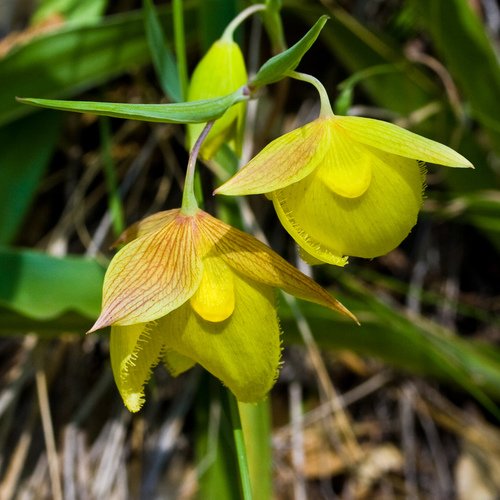
California, US
You might spot Mount Diablo Fairy-Lantern and Western Fence Lizard.
View guide →

California, US
You might spot Snowy Egret, Duck, and American Crow.
View guide →
Take the discovery with you
Snap it with Snappit to identify it, learn what makes it special, and add the discovery to your collection.








.jpg&width=800)



