





Blue-headed Vireo
Vireo solitarius
The Blue-headed Vireo is a small bird with a bright blue head and a cheerful song. They love to hop around in trees, looking for tasty insects and berries to eat.
Habitat: Forests
The Blue-headed Vireo has a distinctive slate-blue head with bold white "spectacles" around its eyes. Its back is olive-green, contrasting with a clean white throat and belly, often with yellowish flanks, making it visually distinct from plainer vireos.
Category
BirdsRarity
Common
Danger
1/5 · Very low
Snaps
7
Male vireos tirelessly sing over 600 songs in a single day!
Their nests are so strong they sometimes last through winter storms!
These little birds migrate thousands of kilometers to warmer places!
They often hang upside down to snatch insects from underneath leaves!
Blue-headed Vireo can carefully scan leaves and twigs because of its sharp eyesight, which helps it find hidden insects.
Blue-headed Vireo has a rich, whistled song that helps it communicate and attract a mate across its forest territory.
Blue-headed Vireo can weave a strong nest with spider silk, helping it securely attach its home to tree branches.
These little birds love to eat insects and sometimes enjoy munching on wild berries and seeds!

Accipiter striatus
This hawk preys on small songbirds like the vireo.
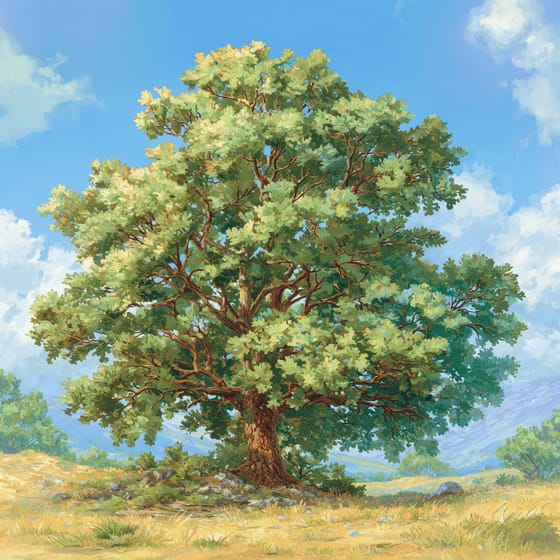
Quercus alba
The vireo builds its nest and finds cover in oak trees.
Malacosoma americanum
The vireo dines on these caterpillars, helping control their populations.
Sambucus canadensis
Vireos supplement their insect diet with elderberry fruits.
Feathered describes animals, primarily birds, possessing a covering of feathers.
Social animals live in organized groups, cooperating for survival benefits such as foraging, defense, and raising offspring.
Singing animals produce complex vocalizations, often for purposes of attracting mates, defending territory, or communicating within their species.
Arboreal animals live primarily in trees, utilizing them for shelter, food, and protection from predators.

This trait identifies organisms whose diet primarily consists of insects and other small invertebrates.

Forest habitats are terrestrial environments dominated by dense tree cover, supporting a high diversity of plant and animal life.

Diurnal animals are primarily active during daylight hours, typically resting or sleeping at night.
No aliases listed yet.
Danger
1/5 · Very low
Enjoy watching birds from a distance, and don't try to touch or catch them.
The easiest way to identify Blue-headed Vireo is to use the Snappit nature identifier app.
12.5-14.5 cm
20-23 cm
0.014-0.018 kg
3-7 years
40 km/h
These little birds love to eat insects and sometimes enjoy munching on wild berries and seeds!
Forests
Zoom in to split clusters and explore where this object has been snapped.

US
You might spot Monarch, Ipsilon Dart Moth, and Canada Goose.
View guide →

Georgia, US
You might spot Baldcypress, Anole, and American Alligator.
View guide →

Alabama, US
You might spot Painted Bunting, House Finch, and Red-Shouldered Hawk.
View guide →

New Jersey, US
You might spot American Beech, Garlic Mustard, and Spotted Lanternfly.
View guide →

Maryland, US
You might spot Great Blue Heron, Bald Eagle, and Eastern Box Turtle.
View guide →
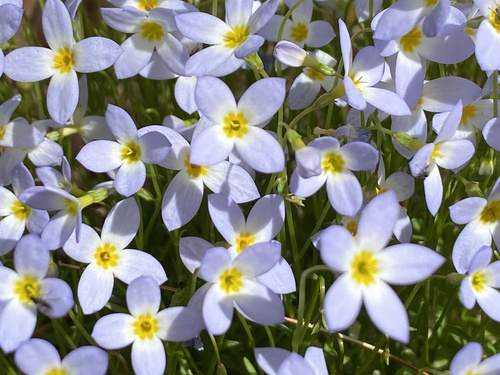
Virginia, US
You might spot Azure Bluet and Allegheny Blackberry.
View guide →
Take the discovery with you
Snap it with Snappit to identify it, learn what makes it special, and add the discovery to your collection.




.jpg&width=800)








