





Bluegrass
Poa L.
Bluegrass is a type of grass that is often found in lawns and meadows. It has thin, blue-green leaves and produces delicate flowers that sway in the breeze.
Habitat: Grasslands
The Bluegrass is a slender green plant with narrow, blade-like leaves that often have a distinct bluish-green hue, especially when mature. Its delicate flower clusters appear as light, airy plumes above the dense mats of foliage, giving fields a soft, wavy texture.
Category
PlantsRarity
Common
Danger
1/5 · Very low
Snaps
Be the first to snap!
Kentucky's famous horse racing tracks are often covered in lush, fast-growing bluegrass!
Some bluegrass species can grow high up in cold mountains, even above the tree line!
The 'blue' in Bluegrass comes from its unique purplish seed heads, not just the leaves!
There are over 500 different kinds of bluegrass plants found all around the world!
Bluegrass has underground stems called rhizomes that help it spread widely and form dense mats, making it super tough against foot traffic.
Many bluegrass species are 'cool-season' grasses, meaning they thrive and stay green even in colder temperatures, unlike other grasses.
Its dense root system holds soil firmly in place, stopping erosion and keeping valuable topsoil from washing away.
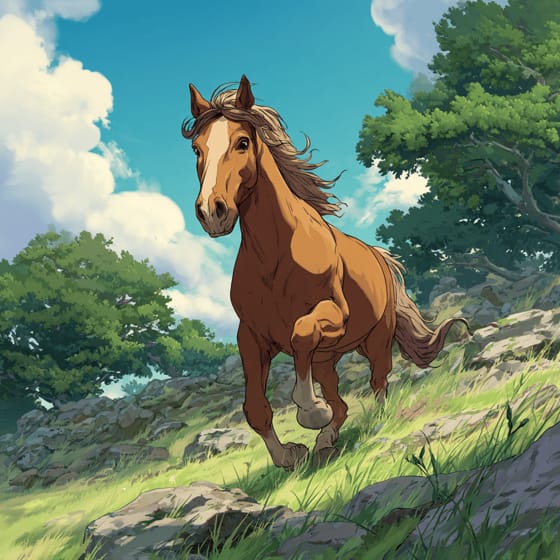
Equus caballus
a main food source in pastures worldwide

Bos taurus
grazes on its nutritious blades in fields
Microtus pennsylvanicus
finds cover and builds nests within dense mats

Odocoileus virginianus
browses on its blades, especially during winter
Grass-like plants are herbaceous plants that visually resemble true grasses, typically having long, narrow leaves.
Shade tolerant plants are adapted to grow and thrive in areas with low light levels, requiring less direct sunlight.
Spring blooming plants produce their flowers during the spring season, often signifying the end of winter and the start of new growth.
Grassland habitats are terrestrial biomes dominated by grasses and herbaceous plants, supporting a variety of grazing animals.
Danger
1/5 · Very low
Enjoy looking at bluegrass but avoid picking or eating it.
The easiest way to identify Bluegrass is to use the Snappit nature identifier app.
15-60 cm
30-100 cm
0.2-0.5 cm
Spring
No
None
Perennial
Zoom in to split clusters and explore where this object has been snapped.
Recent snaps will appear here as new observations are added.
Take the discovery with you
Snap it with Snappit to identify it, learn what makes it special, and add the discovery to your collection.









.jpg&width=800)



_001.jpg&width=800)



