.jpg&width=800)





Bog Orchids
Platanthera
Bog orchids are beautiful flowers that grow in wet, marshy areas. They have long stems and delicate petals that can come in different colors, making them a lovely sight in nature.
Habitat: Wetlands
The Bog Orchids has slender green stems bearing small, delicate flowers. Its blooms often feature white, green, yellow, or purplish petals, sometimes with a fringed lip, arranged in an elegant spike. This creates a distinct, graceful look in its damp habitat.
Category
PlantsRarity
Common
Danger
1/5 · Very low
Snaps
Be the first to snap!
Many species have unique flower shapes that perfectly fit a specific insect's head!
Some bog orchids have flowers that glow in the dark under UV light to guide insects!
Their seeds are as fine as dust, carried far by the wind to new wet homes!
They can live for many years, slowly growing taller in their marshy homes!
Bog Orchids have deep nectar spurs that attract long-tongued moths and butterflies, ensuring precise pollination.
Bog Orchids depend on tiny underground fungi for nutrients, especially when young, helping them thrive in poor soils.
Some Bog Orchids release sweet evening scents to lure nocturnal moths, drawing them in for pollination duties.
Sphinx drupiferarum
attracted by nectar
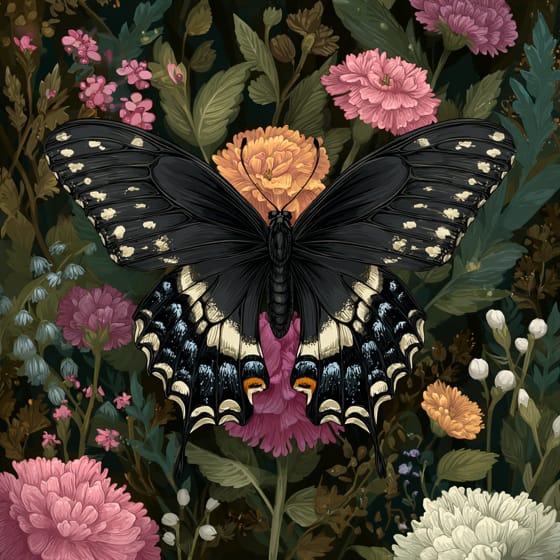
Papilio polyxenes
visits flowers for nectar
Tulasnella calospora
provides vital nutrients
Deroceras reticulatum
slugs browse foliage

Odocoileus virginianus
deer browse plant parts
Flowering plants are any plants that produce flowers as part of their reproductive cycle.
Spring blooming plants produce their flowers during the spring season, often signifying the end of winter and the start of new growth.
Fragrant flowers emit a pleasant aroma, often to attract pollinators or for defense.
Colorful describes organisms or objects displaying a wide range of bright and distinct colors.

Describes plants that are particularly attractive and beneficial to a wide range of pollinating organisms.

This habitat trait identifies species found in wetlands, which are areas of land saturated with water, either permanently or seasonally, including marshes, swamps, and bogs.

Endangered status indicates a species is at a very high risk of extinction in the wild in the near future.
No aliases listed yet.
Danger
1/5 · Very low
Always look but don't touch flowers in nature, as some can be delicate.
The easiest way to identify Bog Orchids is to use the Snappit nature identifier app.
15-60 cm
0.5-2.5 cm
Summer
No
None
Perennial
Insect
Zoom in to split clusters and explore where this object has been snapped.
Recent snaps will appear here as new observations are added.
Take the discovery with you
Snap it with Snappit to identify it, learn what makes it special, and add the discovery to your collection.









.jpg&width=800)


_001.jpg&width=800)




