_Boletus_edulis.jpg&width=800)



Boletus
Boletus edulis
Boletus mushrooms are tasty fungi found in forests. They have a thick stem and a cap with pores underneath. People enjoy picking them for delicious meals.
Habitat: Forests
The Boletus has a distinctive broad, convex cap, usually brown or reddish-brown, which can feel slightly sticky when wet. Underneath, instead of gills, it has pale pores that yellow with age and bruise greenish. Its thick, pale stem often features a fine, raised net-like pattern called reticulation.
Category
FungiRarity
Common
Danger
2/5 · Low
Snaps
2
A single Boletus mushroom can release trillions of microscopic spores!
Its scientific name *edulis* means 'edible' in Latin, a yummy clue!
Its stem often has a cool, raised net pattern called reticulation!
Sometimes called 'King Bolete,' it's highly prized by chefs worldwide.
Boletus has an underground network that connects to tree roots, helping them share water and minerals with the tree.
Boletus can release trillions of microscopic spores that float on air currents, spreading new mushrooms far and wide.
Boletus can quickly expand its fruiting body after rainfall, maximizing spore production in ideal conditions.
Quercus robur
Exchanges nutrients and water with oak trees.
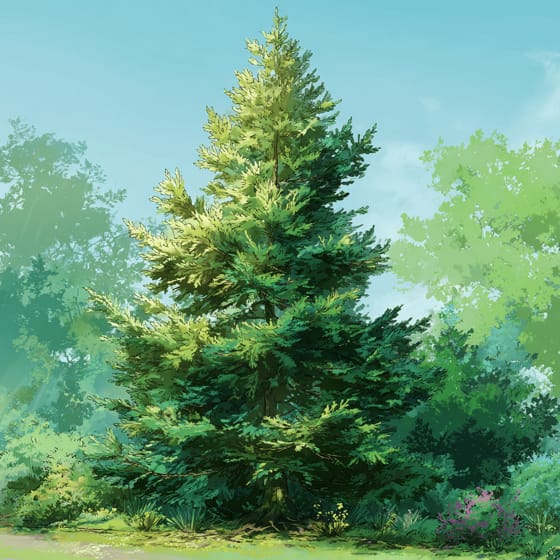
Picea abies
Forms beneficial underground connections with spruce roots.
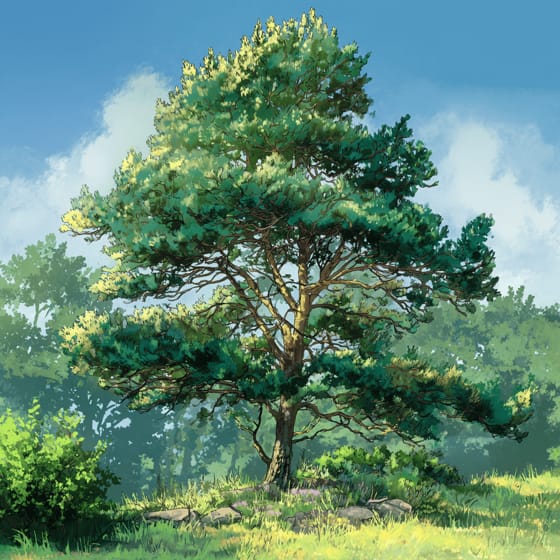
Pinus sylvestris
Thrives by sharing resources with pine trees.
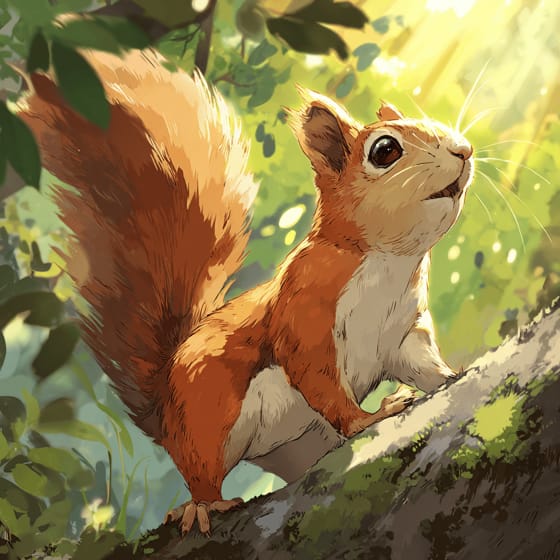
Sciurus carolinensis
Squirrels often nibble on Boletus mushrooms.
This trait describes a symbiotic relationship between a fungus and the roots of a plant, benefiting both organisms.
Spore-producing organisms reproduce by releasing small, often single-celled, reproductive units called spores.
Edible plants are those parts of a plant that are considered safe for human consumption.
Forest habitats are terrestrial environments dominated by dense tree cover, supporting a high diversity of plant and animal life.

This trait characterizes organisms with an exceptionally long lifespan compared to others of their kind.
Danger
2/5 · Low
Never eat wild mushrooms unless an adult who knows them well says it's safe.
The easiest way to identify Boletus is to use the Snappit nature identifier app.
5-15 cm
edible
6-25 cm
Forests
soil
Late summer to fall
Olive-brown
Zoom in to split clusters and explore where this object has been snapped.

Alaska, US
You might spot Brown Bear, American Beaver, and Arctic Raspberry.
View guide →
Alaska, US
You might spot Brown Bear, American Beaver, and Arctic Raspberry.
View guide →

Central Denmark Region, DK
You might spot Polar Bear, Brown Bear, and Pea.
View guide →
Take the discovery with you
Snap it with Snappit to identify it, learn what makes it special, and add the discovery to your collection.