





Boreal Chorus Frog
Pseudacris maculata
The Boreal Chorus Frog is a small, greenish-brown frog that loves to sing! They are often found near water and have a special call that sounds like a tiny bird chirping.
Habitat: Wetlands
The Boreal Chorus Frog is a small, slender amphibian, typically brown, tan, or gray with three dark stripes down its back, which can sometimes be broken into spots. It has a dark stripe running from its snout through its eye to its shoulder, and a distinctive light-colored upper lip.
Category
AmphibiansRarity
Common
Danger
1/5 · Very low
Snaps
6
Baby tadpoles munch on algae, but adult frogs switch to eating only insects!
Even though they're small, Boreal Chorus Frogs are super-powered insect hunters!
These tiny frogs have sticky toe pads that help them climb up plants and reeds!
You'll often hear their chorus calls before you ever spot one hiding in the grass!
Boreal Chorus Frogs can change skin color to blend with surroundings, helping them hide from predators.
Boreal Chorus Frogs have a loud, distinctive 'cree-ee-ee-eek' call that helps them attract mates.
Boreal Chorus Frogs can jump many times their body length very quickly, helping them escape danger or catch prey.
These tiny frogs are bug-eating machines, feasting on small insects and spiders!
Age differences: Tadpoles eat algae and plant matter, while adult frogs are carnivores that eat insects.
Thamnophis sirtalis
Common predator in their wetland habitats.
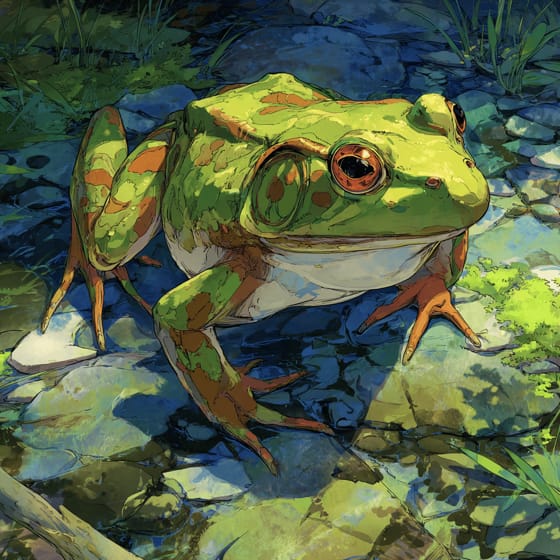
Lithobates catesbeianus
Larger frogs sometimes prey on smaller species.
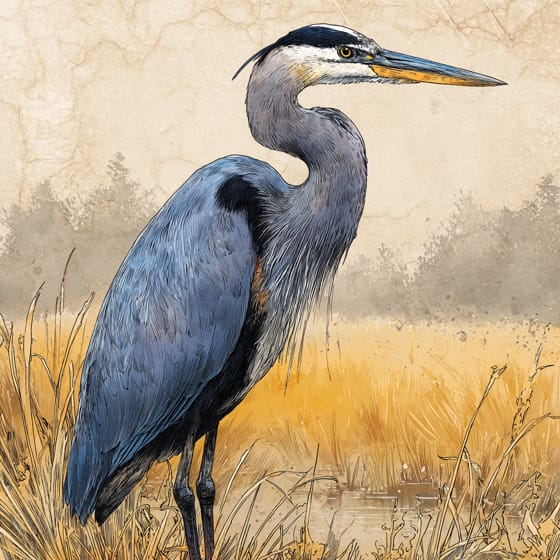
Ardea herodias
Wading birds hunt these frogs in shallow water.
Culex pipiens
Helps control mosquito populations in their ecosystem.
Marked with spots or patches of a different color.
Social animals live in organized groups, cooperating for survival benefits such as foraging, defense, and raising offspring.
Singing animals produce complex vocalizations, often for purposes of attracting mates, defending territory, or communicating within their species.
Camouflaged describes organisms that possess coloring or patterns that allow them to blend into their environment.

This trait identifies organisms whose diet primarily consists of insects and other small invertebrates.

Forest habitats are terrestrial environments dominated by dense tree cover, supporting a high diversity of plant and animal life.

This habitat trait identifies species found in wetlands, which are areas of land saturated with water, either permanently or seasonally, including marshes, swamps, and bogs.

Diurnal animals are primarily active during daylight hours, typically resting or sleeping at night.

Aquatic habitats encompass environments where organisms live predominantly in water, including oceans, rivers, lakes, and wetlands.
No aliases listed yet.
Danger
1/5 · Very low
Always watch frogs from a distance, and don't try to catch them. They are best enjoyed in their natural home!
The easiest way to identify Boreal Chorus Frog is to use the Snappit nature identifier app.
1.9-3.8 cm
0.002-0.005 kg
1-3 years
8 km/h
These tiny frogs are bug-eating machines, feasting on small insects and spiders!
Wetlands
Ambush
Zoom in to split clusters and explore where this object has been snapped.

Colorado, US
You might spot Fireweed, Scentless Mayweed, and Quaking Aspen.
View guide →

Wisconsin, US
You might spot Eastern Forktail and Brown-Belted Bumble Bee.
View guide →

Nebraska, US
You might spot Lark Sparrow, Rock Wren, and Scarlet Globemallow.
View guide →

Minnesota, US
You might spot Red-Tailed Hawk, Canada Goose, and Western Meadowlark.
View guide →

Iowa, US
You might spot Painted Turtle, Blue Phlox, and Jack-In-The-Pulpit.
View guide →

Iowa, US
You might spot Dutchman's Breeches, Red Admiral, and White-Tailed Deer.
View guide →
Take the discovery with you
Snap it with Snappit to identify it, learn what makes it special, and add the discovery to your collection.







.JPG&width=800)



.jpg&width=800)

