





Green Treefrog
Hyla cinerea
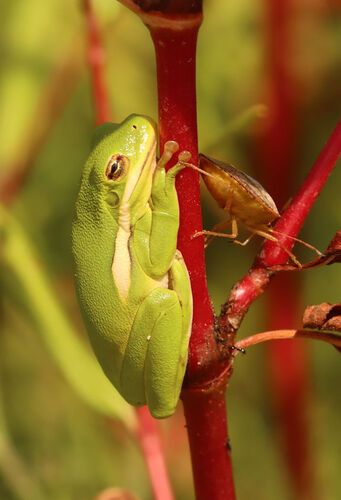
The Green Treefrog is a small, bright green frog that loves to climb trees and bushes. They are known for their loud, cheerful croaks that can be heard at night, making them a fun part of nature's orchestra!
Habitat: Wetlands
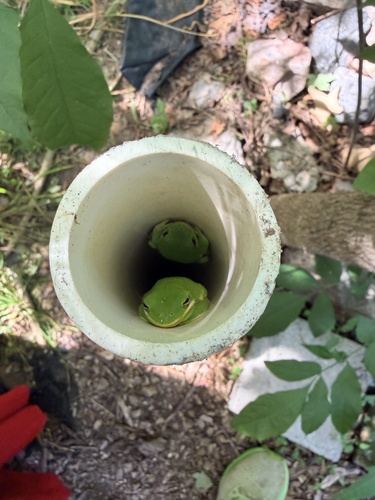
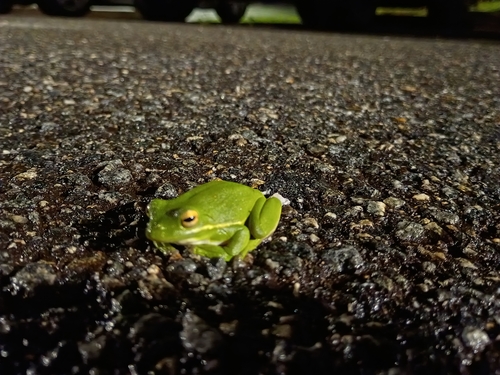
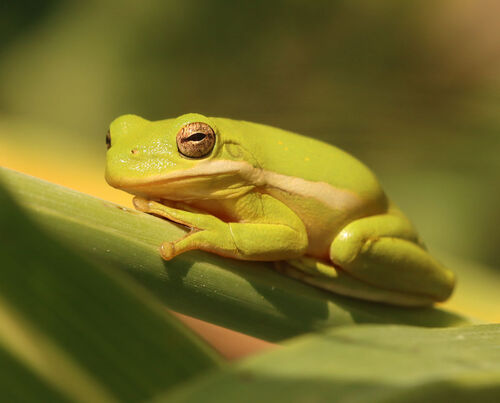
The Green Treefrog is bright lime green, sometimes olive or yellowish, with a distinct creamy-white stripe running along each side of its body. It has a smooth skin texture and large, round toe pads for climbing.
Category
AmphibiansRarity
Common
Danger
1/5 · Very low
Snaps
57
Green Treefrogs love to hang out on windows and porch lights at night.
Males have a throat sac that puffs up like a giant bubble when they call.
Their eyes are extra cool, with stunning, gold-colored irises.
They can "sing" extremely loudly, especially after a good rain!
Green Treefrog has special sticky toe pads that help them climb smooth surfaces and cling tightly to leaves and branches.
Green Treefrog can change its skin color from green to brown or gray to camouflage itself against predators and hide from prey.
Green Treefrog can absorb water directly through its skin from damp surfaces, allowing it to stay hydrated without drinking.
These hungry frogs snack on various small insects and spiders they find in their habitat.
Age differences: Tadpoles are herbivorous, grazing on algae, while adults are carnivorous, eating insects.
Thamnophis sirtalis
A predator of small frogs.

Ardea alba
Wading bird that preys on frogs.
Aedes aegypti
A primary insect prey for the frog.
Nymphaea odorata
Frogs often rest and hide on their leaves.
Chlorella vulgaris
Tadpoles graze on this type of algae.
Arboreal animals live primarily in trees, utilizing them for shelter, food, and protection from predators.
Camouflaged describes organisms that possess coloring or patterns that allow them to blend into their environment.
Colorful describes organisms or objects displaying a wide range of bright and distinct colors.
This trait identifies organisms whose diet primarily consists of insects and other small invertebrates.

This habitat trait identifies species found in wetlands, which are areas of land saturated with water, either permanently or seasonally, including marshes, swamps, and bogs.

Nocturnal animals are primarily active during the nighttime hours, typically resting or sleeping during the day.
Danger
1/5 · Very low
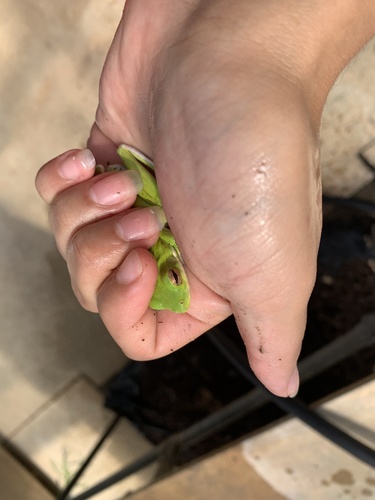
Always wash your hands after touching frogs, and be gentle if you see one!
The easiest way to identify Green Treefrog is to use the Snappit nature identifier app.
3.8-6.4 cm
0.005-0.01 kg
2-6 years
0.1 km/h
These hungry frogs snack on various small insects and spiders they find in their habitat.
Wetlands
Ambush
Zoom in to split clusters and explore where this object has been snapped.
Jun 6, 2026
St. Augustine's UniversityPhoto attribution
no rights reserved
License: CC0 1.0 ↗
Image may be shown cropped inside the card frame.
May 30, 2026
Milledgeville Historic DistrictPhoto attribution
(c) Lance Andrew, some rights reserved (CC BY)
License: CC BY 4.0 ↗
Image may be shown cropped inside the card frame.
May 4, 2026
Tifton Commercial Historic DistrictPhoto attribution
(c) Emily E.M., some rights reserved (CC BY)
License: CC BY 4.0 ↗
Image may be shown cropped inside the card frame.
Sep 9, 2025
Marked Tree Lock and SiphonsPhoto attribution
(c) hr_dragonfly, some rights reserved (CC BY)
License: CC BY 4.0 ↗
Image may be shown cropped inside the card frame.
Sep 9, 2025
Marked Tree Lock and SiphonsPhoto attribution
(c) hr_dragonfly, some rights reserved (CC BY)
License: CC BY 4.0 ↗
Image may be shown cropped inside the card frame.

Tennessee, US
You might spot House Sparrow, Northern Mockingbird, and Gulf Fritillary.
View guide →

South Carolina, US
You might spot American Alligator, Anole, and Great Blue Heron.
View guide →

District of Columbia, US
You might spot Eastern Gray Squirrel, Duck, and House Sparrow.
View guide →

Louisiana, US
You might spot Brown Anole, White Ibis, and Duck.
View guide →

Alabama, US
You might spot American Beautyberry, White-Tailed Deer, and Peppervine.
View guide →

Florida, US
You might spot American Alligator, Brown Anole, and Red-Shouldered Hawk.
View guide →
Take the discovery with you
Snap it with Snappit to identify it, learn what makes it special, and add the discovery to your collection.







.JPG&width=800)


.jpg&width=800)

