





brambles
Rubus
Brambles are thorny bushes that grow wild in many places. They produce delicious berries that many animals and people love to eat!
Habitat: Urban areas
The brambles has long, arching stems covered in sharp thorns and compound leaves with serrated edges. Its delicate white or pale pink flowers develop into clusters of dark, juicy berries, making it distinct from smooth-stemmed plants.
Category
PlantsRarity
Common
Danger
2/5 · Low
Snaps
Be the first to snap!
Ancient people used bramble leaves and roots for traditional medicines, even to treat cuts!
Blackberries are not true berries; they are 'aggregate fruits' made of many tiny drupelets!
Bramble thickets create perfect, safe homes for small birds and mammals to hide from predators.
One bramble plant can live for many years, producing delicious fruit season after season!
Brambles have sharp, hooked thorns that helps it defend against hungry animals trying to eat its leaves and berries.
Brambles can grow long shoots that root when they touch the ground, helping it quickly colonize new areas.
Brambles produce sweet, edible berries packed with seeds, which helps it reproduce by enticing animals to spread them.
Apis mellifera
Collects nectar and pollen from bramble flowers.
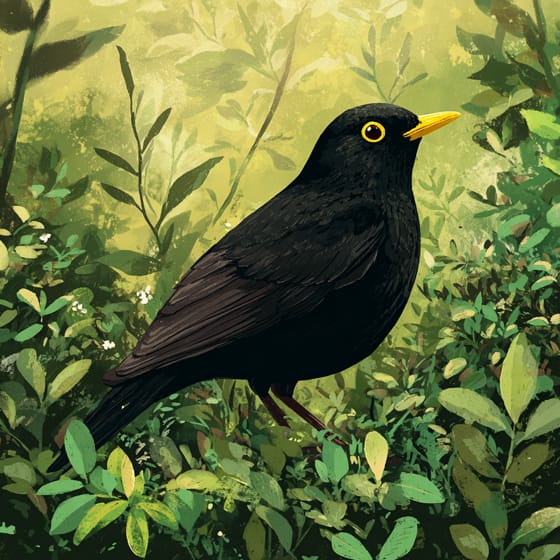
Turdus merula
Feeds on ripe bramble berries, aiding seed dispersal.
Ursus americanus
Consumes large quantities of energy-rich bramble fruit.
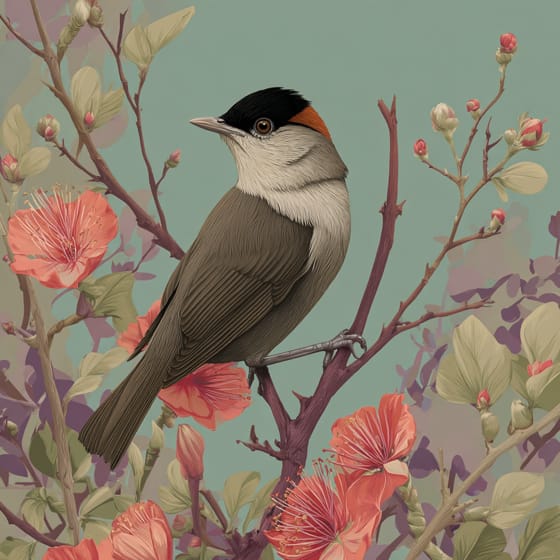
Sylvia atricapilla
Builds nests and finds cover within dense bramble thickets.
Deciduous plants periodically shed all their leaves, typically during autumn or dry seasons.
Flowering plants are any plants that produce flowers as part of their reproductive cycle.
A shrub is a woody plant smaller than a tree, typically with multiple stems branching from or near the ground.
Fruit-bearing plants produce fruits, which are the mature ovaries of flowering plants containing seeds.

Edible plants are those parts of a plant that are considered safe for human consumption.

Describes plants that are particularly attractive and beneficial to a wide range of pollinating organisms.

Possessing sharp, pointed projections or spines on the body or surface.

This habitat trait indicates species that can coexist with humans in urban and suburban environments, utilizing man-made structures and green spaces.
Danger
2/5 · Low
Be careful of the thorns when exploring brambles; they can scratch you!
The easiest way to identify brambles is to use the Snappit nature identifier app.
100-300 cm
100-500 cm
1-3 cm
Late spring to mid-summer
Yes
None
Perennial
Zoom in to split clusters and explore where this object has been snapped.
Recent snaps will appear here as new observations are added.
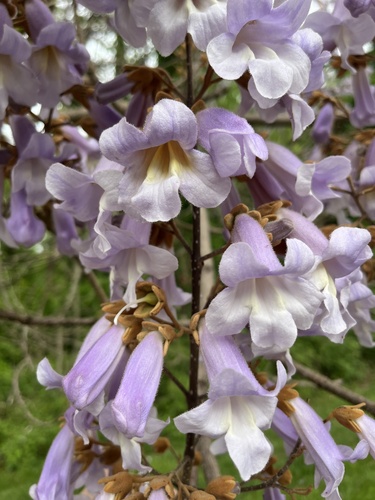
Pennsylvania, US
You might spot Paulownia, Asian Lady Beetle, and Spotted Lanternfly.
View guide →

Washington, US
You might spot Rock Pigeon, American Crow, and Dogwoods.
View guide →
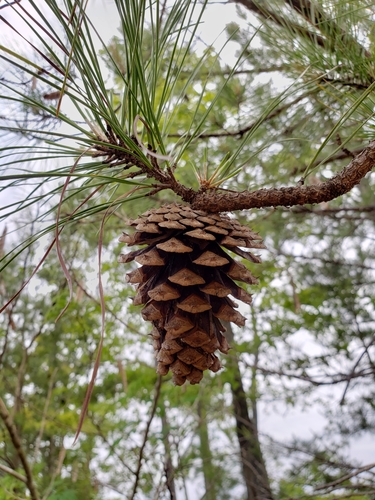
Virginia, US
You might spot Loblolly Pine, Fox Grape, and Sensitive Fern.
View guide →
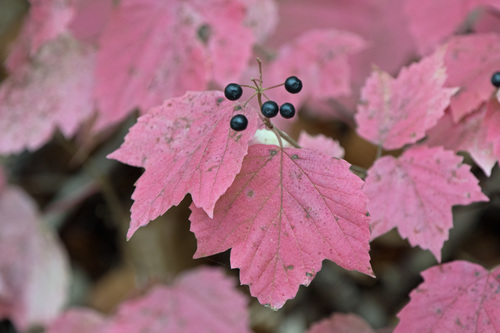
Virginia, US
You might spot Mapleleaf Viburnum, Japanese Holly, and Common Bonnet.
View guide →
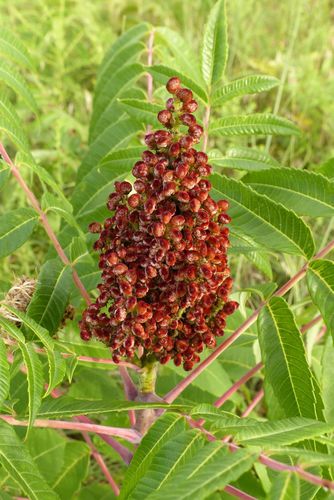
Massachusetts, US
You might spot Smooth Sumac, Brambles, and Evening Primrose Family.
View guide →
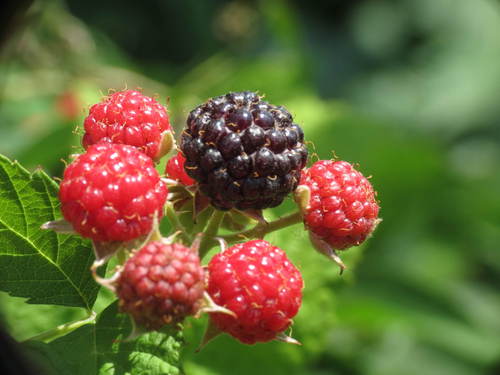
Virginia, US
You might spot Brambles, Redbud Tree, and American Pokeweed.
View guide →
Take the discovery with you
Snap it with Snappit to identify it, learn what makes it special, and add the discovery to your collection.







.jpg&width=800)



_001.jpg&width=800)



