





Blackhaw
Viburnum prunifolium
The Blackhaw is a lovely shrub that grows tall and has beautiful white flowers in spring. It produces dark berries that birds love to eat, making it a great plant for wildlife.
Habitat: Forests
The Blackhaw is a sturdy shrub or small tree with glossy dark green leaves that transform into stunning purples and reds in autumn. Its branches burst with flat-topped clusters of creamy white flowers in spring, followed by dark blue, oval-shaped berries.
Category
PlantsRarity
Common
Danger
1/5 · Very low
Snaps
8
Its incredibly hard wood was once prized for making tool handles!
Its tiny flowers join forces, creating a broad, showy white 'plate'!
Some Blackhaw plants can live for more than 50 years!
The berries have a surprisingly sweet, prune-like flavor!
Blackhaw has special bark compounds that were traditionally used to ease muscle cramps naturally.
Blackhaw grows nutritious, dark berries that attract birds, helping spread its seeds far and wide.
Its leaves perform a vibrant fall show, shifting from green to deep reds and purples before winter arrives.
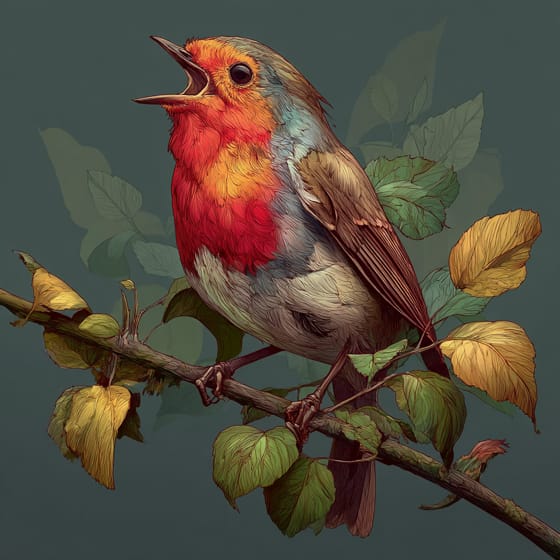
Turdus migratorius
Consumes its dark, sweet berries
Apis mellifera
Visits its white spring flowers

Odocoileus virginianus
Browses on its leaves and twigs
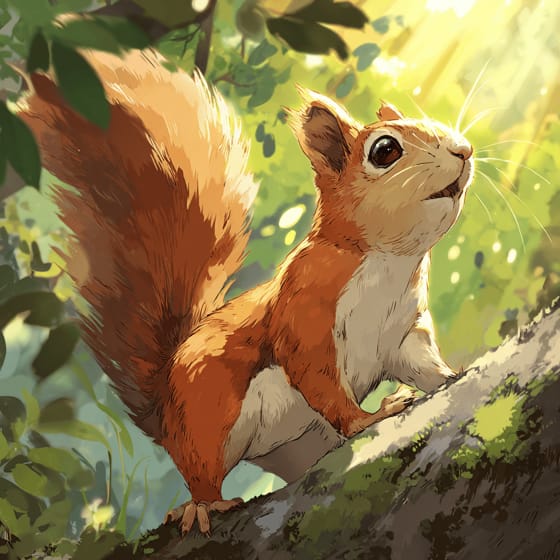
Sciurus carolinensis
Enjoys its mature fruit
Deciduous plants periodically shed all their leaves, typically during autumn or dry seasons.
Flowering plants are any plants that produce flowers as part of their reproductive cycle.
A shrub is a woody plant smaller than a tree, typically with multiple stems branching from or near the ground.
Spring blooming plants produce their flowers during the spring season, often signifying the end of winter and the start of new growth.

Fragrant flowers emit a pleasant aroma, often to attract pollinators or for defense.

Fruit-bearing plants produce fruits, which are the mature ovaries of flowering plants containing seeds.

Edible plants are those parts of a plant that are considered safe for human consumption.

Fall color refers to the seasonal change in foliage pigmentation, primarily in deciduous plants, displaying vibrant hues.

Describes plants that are particularly attractive and beneficial to a wide range of pollinating organisms.

Forest habitats are terrestrial environments dominated by dense tree cover, supporting a high diversity of plant and animal life.
No aliases listed yet.
Danger
1/5 · Very low
Always stay on paths when exploring nature and don't eat any berries without asking an adult.
The easiest way to identify Blackhaw is to use the Snappit nature identifier app.
300-450 cm
180-300 cm
0.3-0.6 cm
Spring
Yes
None
Perennial
Zoom in to split clusters and explore where this object has been snapped.

New Jersey, US
You might spot Garlic Mustard, Sensitive Fern, and Common Mugwort.
View guide →

Pennsylvania, US
You might spot Tree-Of-Heaven, Spotted Lanternfly, and American Tuliptree.
View guide →

New Jersey, US
You might spot American Wintergreen, Wild Geranium, and Mayapple.
View guide →
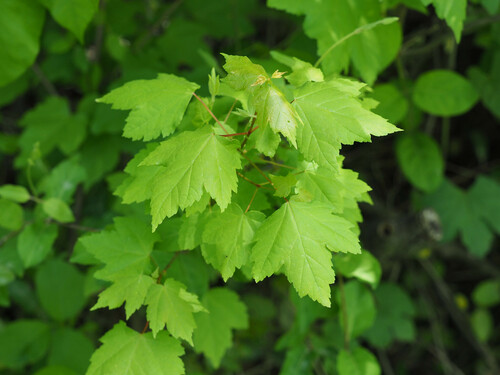
Virginia, US
You might spot Red Maple, Spotted Lanternfly, and House Sparrow.
View guide →

North Carolina, US
You might spot Eastern Tiger Swallowtail, Anole, and Monarch.
View guide →
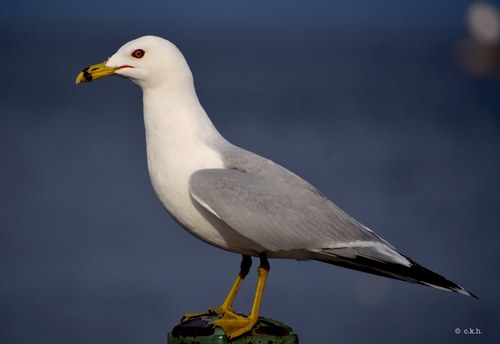
Indiana, US
You might spot Ring-Billed Gull, Duck, and Greater White-Fronted Goose.
View guide →
Take the discovery with you
Snap it with Snappit to identify it, learn what makes it special, and add the discovery to your collection.






.jpg&width=800)


_001.jpg&width=800)



