





Cascade Beardtongue
penstemon serrulatus
The Cascade Beardtongue is a beautiful wildflower that blooms with vibrant purple flowers. It loves to grow in sunny areas and attracts lots of buzzing bees!
Habitat: Mountain meadows and rocky slopes in the Pacific Northwest.
The Cascade Beardtongue has vibrant deep blue to rich purple, trumpet-shaped flowers that cluster atop upright stems. Its glossy, green leaves are oval to lance-shaped, providing a lush backdrop in its mountain habitat. A distinctive fuzzy, sterile stamen inside the flower gives it the 'beardtongue' name.
Category
PlantsRarity
Common
Danger
0/5 · No known danger
Snaps
1
Its scientific name *Penstemon* means 'five stamens' in ancient Greek!
Some of its flowers can change color slightly as they age, getting even deeper purple!
The plant's 'beardtongue' is actually a sterile, hairy stamen (flower part).
This tough plant loves to grow on sunny mountain slopes and rocky ledges!
Cascade Beardtongue has bright, tubular flowers that act like a visual target, guiding hungry bees and hummingbirds to its nectar.
Cascade Beardtongue can thrive in challenging mountain environments, using a robust root system to anchor itself in rocky soil.
Cascade Beardtongue has a 'beardtongue' (fuzzy stamen) inside its flower that gently guides pollinators to the pollen.
Bombus melanopygus
collects nectar and pollen
.jpg&width=800)
Selasphorus rufus
feeds on its nectar
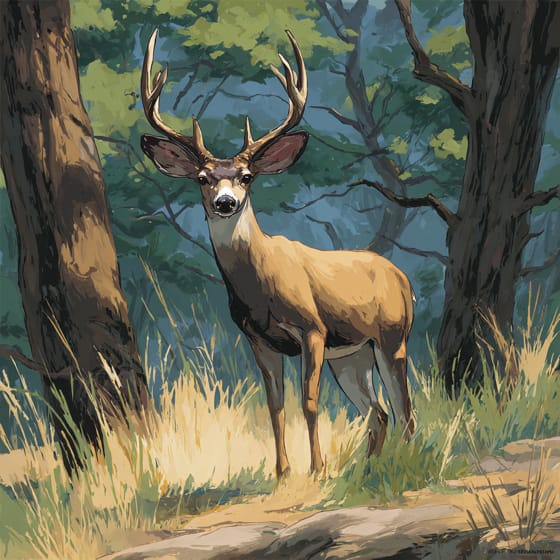
Odocoileus hemionus
browses its foliage
Colorful describes organisms or objects displaying a wide range of bright and distinct colors.
This trait characterizes organisms whose diet consists entirely or primarily of plant material.
Forest habitats are terrestrial environments dominated by dense tree cover, supporting a high diversity of plant and animal life.
Diurnal animals are primarily active during daylight hours, typically resting or sleeping at night.

Describes organisms that transfer pollen, enabling the fertilization and reproduction of plants.
Danger
0/5 · No known danger
No special safety notes yet.
The easiest way to identify Cascade Beardtongue is to use the Snappit nature identifier app.
30-90 cm
30-60 cm
2-3 cm
Summer
No
None
Perennial
Zoom in to split clusters and explore where this object has been snapped.
Take the discovery with you
Snap it with Snappit to identify it, learn what makes it special, and add the discovery to your collection.









.jpg&width=800)



_001.jpg&width=800)




